3-Layer vs. 2-Layer Rain Jackets: Understanding Construction for Anglers
When shopping for a rain jacket or wading jacket for fly fishing, you'll frequently encounter terms like "3-layer construction" and "2-layer construction." These aren't just marketing jargon—they represent fundamentally different approaches to building waterproof garments, each with distinct advantages and trade-offs that directly impact your comfort and performance on the water. Understanding these construction methods helps you choose the right jacket for your fishing style, budget, and the conditions you face most often.
This comprehensive guide breaks down the technical differences between 2-layer and 3-layer rain jacket construction, explains what each means for real-world fishing performance, and helps you determine which construction type best serves your needs as an angler.
Rain Jacket Construction Basics: More Than Just Layers
Before comparing 2-layer and 3-layer jackets, it's important to understand the fundamental components that make up any waterproof-breathable jacket.
The Essential Components
Every waterproof-breathable rain jacket contains these key elements:
Outer Face Fabric: The durable textile you see and touch on the outside of the jacket. This fabric provides abrasion resistance, protects the waterproof membrane, and typically receives a DWR (Durable Water Repellent) treatment to shed water.
Waterproof-Breathable Membrane: The crucial layer that keeps water out while allowing water vapor (perspiration) to escape. This might be Gore-Tex, eVent, proprietary technology, or other waterproof-breathable materials.
Protective Backing: Some form of protection for the delicate membrane, which varies depending on whether the jacket uses 2-layer, 2.5-layer, or 3-layer construction.
The way these components are assembled—and what protective backing is used—determines whether a jacket is classified as 2-layer or 3-layer construction.
3-Layer Construction: The Premium Standard
Three-layer construction, often written as 3L or 3-layer, represents the most advanced and durable approach to building waterproof jackets.
How 3-Layer Construction Works
In a 3-layer jacket, three distinct components are permanently laminated together into a single, unified fabric:
- Outer face fabric (typically nylon or polyester)
- Waterproof-breathable membrane (Gore-Tex, eVent, etc.)
- Inner protective layer (usually a lightweight knit backer fabric)
These three layers are fused together using heat and adhesive, creating one cohesive material. When you look at the inside of a 3-layer jacket, you see smooth, finished fabric rather than the membrane itself.
Performance Advantages of 3-Layer Jackets
Superior Durability: The permanently bonded construction creates a more durable garment that resists delamination (layers separating). This matters significantly for fly fishing, where your jacket contacts backpack straps, vest straps, wader suspenders, streamside brush, and rough boat surfaces regularly.
Better Abrasion Resistance: The inner protective layer shields the waterproof membrane from internal wear caused by rubbing against base layers, fleece, or other clothing. This extends the jacket's functional lifespan considerably.
Enhanced Packability: Because the three layers are bonded into one thin material, 3-layer jackets typically pack smaller and weigh less than comparable 2-layer jackets. This is valuable when you're hiking to remote streams or need to stuff your rain gear into a fishing pack.
More Breathable: The thin, unified construction allows water vapor to escape more efficiently. There's no air gap between layers that could trap moisture, meaning better overall breathability and less internal condensation.
Professional Grade Performance: Three-layer construction is the standard for professional guides, serious mountaineers, and anyone who depends on their rain gear in harsh conditions. The reliability and longevity justify the higher cost for frequent users.
Lighter Weight: Despite being more durable, 3-layer jackets are often lighter than 2-layer equivalents because the construction eliminates the need for a separate mesh liner and uses thinner materials overall.
Potential Drawbacks of 3-Layer Construction
Higher Cost: Three-layer jackets typically start around $300 and can exceed $700 for premium models. The sophisticated manufacturing process and advanced materials command a significant price premium.
Less Forgiving Fit: The thinner, more technical fabric doesn't drape as naturally as 2-layer construction. Some anglers find 3-layer jackets feel slightly more "technical" or less casual in fit and feel.
Requires Investment Justification: For anglers who fish occasionally or primarily in mild conditions, the performance advantages may not justify the cost difference.
2-Layer Construction: Reliable and Accessible
Two-layer construction, designated as 2L or 2-layer, uses a different approach that has served anglers well for decades.
How 2-Layer Construction Works
In a 2-layer jacket, two components are laminated together:
- Outer face fabric (nylon or polyester)
- Waterproof-breathable membrane (Gore-Tex, proprietary membrane, etc.)
These two layers are bonded together, but unlike 3-layer construction, the delicate membrane on the inside is left exposed. To protect this exposed membrane and prevent it from sticking to your clothing or skin, manufacturers add a separate, loose-hanging mesh liner inside the jacket.
This mesh liner is not permanently attached to the waterproof layers—it's a separate protective component that hangs freely inside the garment.
Performance Characteristics of 2-Layer Jackets
More Affordable: Two-layer construction costs less to manufacture, making these jackets more accessible. Quality 2-layer fishing jackets typically range from $150-$400, putting good rain protection within reach of more anglers.
Comfortable Feel: The loose mesh liner creates a small air gap between your body (or mid-layers) and the waterproof membrane. Many anglers find this more comfortable, especially when wearing the jacket directly over a t-shirt or light base layer.
Adequate Durability: While not as robust as 3-layer construction, quality 2-layer jackets deliver years of reliable service when properly maintained. For occasional anglers or those who primarily fish in moderate conditions, the durability difference is often negligible.
Natural Drape: The slightly heavier construction and loose liner give 2-layer jackets a more natural, less technical feel. Some anglers prefer this for all-day comfort.
Good Waterproof Performance: The waterproofing performance of a 2-layer jacket using quality membranes (Gore-Tex, for example) is identical to a 3-layer jacket using the same membrane. The construction method doesn't affect water resistance.
Easier Repairs: The simpler construction sometimes makes field repairs more straightforward, though this is a minor consideration.
Limitations of 2-Layer Construction
Added Weight and Bulk: The separate mesh liner adds weight and bulk, making 2-layer jackets heavier and less packable than 3-layer equivalents. If you're hiking long distances or have limited pack space, this becomes noticeable.
Reduced Breathability: The air gap between the mesh liner and membrane, while comfortable, slightly reduces overall breathability. Moisture vapor takes longer to escape, potentially leading to more condensation during high-output activities.
Lower Long-Term Durability: The membrane is more vulnerable to wear from the inside, and the separate liner can eventually separate, tear, or require replacement. Over many seasons of heavy use, 3-layer jackets generally outlast 2-layer construction.
Less Packable: When you stuff a 2-layer jacket into a pack, you're compressing both the waterproof layers and the loose mesh liner. This takes up more space and creates more bulk than a streamlined 3-layer jacket.
Potentially Clammy Feel: During intense activity, the air gap between your body and the membrane can trap heat and moisture, creating a slightly clammy sensation that some anglers find uncomfortable.
The 2.5-Layer Compromise
Some manufacturers offer 2.5-layer construction, which attempts to bridge the gap between 2-layer and 3-layer options.
Understanding 2.5-Layer Construction
A 2.5-layer jacket bonds the outer fabric to the waterproof membrane (like a 2-layer jacket) but instead of using a separate mesh liner, it applies a thin protective coating, print, or texture directly to the inside of the membrane.
This creates "half a layer" of protection—more than a true 2-layer with exposed membrane, but less than a full bonded layer in 3-layer construction.
Where 2.5-Layer Fits for Fishing
Advantages:
- Lighter and more packable than 2-layer construction
- More affordable than true 3-layer jackets
- Adequate durability for occasional use
- Good breathability
Limitations:
- The protective coating can feel sticky or clammy against skin or light clothing
- Less durable than true 3-layer construction
- The protective coating can wear off over time, exposing the membrane
Best Use: 2.5-layer jackets excel as backup rain protection—something you pack on every trip but hope not to need. They're ideal for summer fishing when you want lightweight emergency rain protection without the weight and bulk of traditional construction.
Real-World Applications: Matching Construction to Fishing Style
The right construction type depends on how, where, and how often you fish.
When 3-Layer Construction Makes Sense
Frequent Anglers: If you fish 30+ days per year, the durability and longevity of 3-layer construction pays dividends. The jacket will outlast multiple 2-layer alternatives.
Cold-Weather Fishing: Winter steelhead, early-season trout, and late-fall salmon fishing demand reliable gear. The superior breathability of 3-layer construction prevents internal condensation even when you're layered up.
Backcountry and Remote Fishing: When you're hiking miles to remote streams or fishing in wilderness settings, packability and weight savings matter significantly. Three-layer jackets excel here.
Professional Use: Guides and fishing instructors who spend 100+ days per year on the water need gear that survives constant use. Three-layer construction is the professional standard.
Active Fishing Styles: If your fishing involves significant hiking, wading against current, or other high-output activity, the enhanced breathability of 3-layer construction keeps you more comfortable.

When 2-Layer Construction Works Well
Occasional Anglers: If you fish 10-20 days per year in moderate conditions, a quality 2-layer jacket provides all the protection you need at a more accessible price point.
Budget-Conscious Anglers: When budget is the primary concern, 2-layer construction delivers waterproof protection at lower cost. You can invest the savings in other critical gear like quality waders or wading boots.
Local Fishing: If you primarily fish close to home or your vehicle, the extra weight and bulk of 2-layer construction matter less. You're not carrying it for miles.
Casual Fishing: For anglers who fish occasionally and aren't exposed to harsh conditions regularly, the performance gap between 2-layer and 3-layer construction is less noticeable.
First Rain Jacket: If you're new to fly fishing and assembling your initial gear kit, starting with a quality 2-layer jacket makes financial sense. You can upgrade later as your needs and frequency evolve.
When 2.5-Layer Construction Is Ideal
Summer Fishing: As packable emergency protection during summer months when rain is occasional and brief.
Travel Fishing: When pack space and weight are critical constraints for fly-in or international trips.
Backup Jacket: As a secondary rain layer kept in your vehicle or boat for unexpected weather.
Warm Climate Fishing: In tropical or subtropical environments where you primarily need protection from sudden downpours rather than all-day rain.
Beyond Construction: Other Critical Factors
While layer construction is important, don't overlook these other essential considerations:
Membrane Quality
A 3-layer jacket with an inferior waterproof membrane will underperform compared to a 2-layer jacket with Gore-Tex or eVent. Always consider membrane quality alongside construction type.
Fishing-Specific Features
Look for angler-friendly features regardless of construction:
- High hand pockets: Accessible above wader belts and chest packs
- Hood adjustments: Multiple adjustment points for casting in wind
- Articulated sleeves: Unrestricted range of motion for casting
- Storm cuffs: Adjustable inner cuffs that seal out water
- Ventilation: Pit zips or chest vents for temperature regulation
Proper Fit
Construction type doesn't matter if the jacket doesn't fit correctly. You need:
- Room to layer underneath
- Shoulder mobility for casting
- Length that covers your wader top
- Sleeves long enough to seal over gloves
Brand Reputation and Warranty
Consider the manufacturer's track record with fishing gear and their warranty coverage. Some brands stand behind their products for life, others offer limited warranties.
Care and Maintenance Across Construction Types
Proper care extends the life of any rain jacket, regardless of construction:
Universal Maintenance Guidelines
- Wash Regularly: Clean your jacket after 10-15 uses to remove dirt, body oils, and contaminants that reduce breathability
- Use Technical Wash: Choose cleaners designed for waterproof-breathable fabrics
- Avoid Fabric Softener: It clogs membrane pores and destroys DWR
- Restore DWR: When water no longer beads on the surface, apply spray-on or wash-in DWR treatment
- Heat Activation: Tumble dry on low or carefully use an iron (through a towel) to activate DWR
Construction-Specific Care
3-Layer Jackets: Because the construction is more durable, these jackets tolerate washing and care routines better. You can wash them more frequently without concern.
2-Layer Jackets: Take extra care with the mesh liner. Ensure it doesn't bunch up during washing, and hang dry carefully to prevent the liner from pulling away from attachment points.
2.5-Layer Jackets: The protective coating on the inside requires gentler care. Avoid excessive heat during drying, which can damage or degrade the coating.
Cost-Benefit Analysis: Is 3-Layer Worth It?
Let's break down the economics:
Typical Price Ranges:
- Quality 2-layer jacket: $150-$400
- Premium 3-layer jacket: $300-$700
- Price difference: $150-$300 average
Longevity Estimates (with proper care):
- 2-layer jacket: 3-7 years of regular use
- 3-layer jacket: 5-10+ years of regular use
Cost Per Year of Use:
- 2-layer at $250 / 5 years = $50/year
- 3-layer at $450 / 8 years = $56/year
The cost per year difference is minimal, meaning if you fish regularly, the 3-layer jacket's superior performance comes at little additional annual cost.
However, if you fish infrequently (under 10 days per year), a 2-layer jacket may outlast your needs regardless, making the lower upfront cost more attractive.
Making Your Decision
Here's a simple decision framework:
Choose 3-Layer Construction If:
- You fish 25+ days per year
- You fish in harsh or remote conditions regularly
- Weight and packability matter for your fishing style
- You want maximum breathability and durability
- You can justify the investment
Choose 2-Layer Construction If:
- You fish occasionally (under 20 days per year)
- Budget is a primary concern
- You primarily fish locally in moderate conditions
- Comfort and natural feel matter more than technical performance
- This is your first quality rain jacket
Choose 2.5-Layer Construction If:
- You need ultralight backup protection
- You fish primarily in summer
- Pack space is extremely limited
- You want a packable jacket for travel
The Bottom Line
Neither 3-layer nor 2-layer construction is inherently "better"—they're designed for different users and applications. Three-layer construction offers superior durability, breathability, and packability but commands a premium price. Two-layer construction provides reliable waterproof protection at a more accessible price point, with comfort advantages that some anglers prefer.
For dedicated anglers who fish frequently in challenging conditions, 3-layer construction is worth the investment. For occasional anglers or those working within tighter budgets, quality 2-layer construction delivers excellent performance and value.
The most important factors are choosing a jacket with a quality waterproof membrane, fishing-specific features, and proper fit—regardless of whether it uses 2-layer or 3-layer construction.
Find Your Perfect Rain Jacket
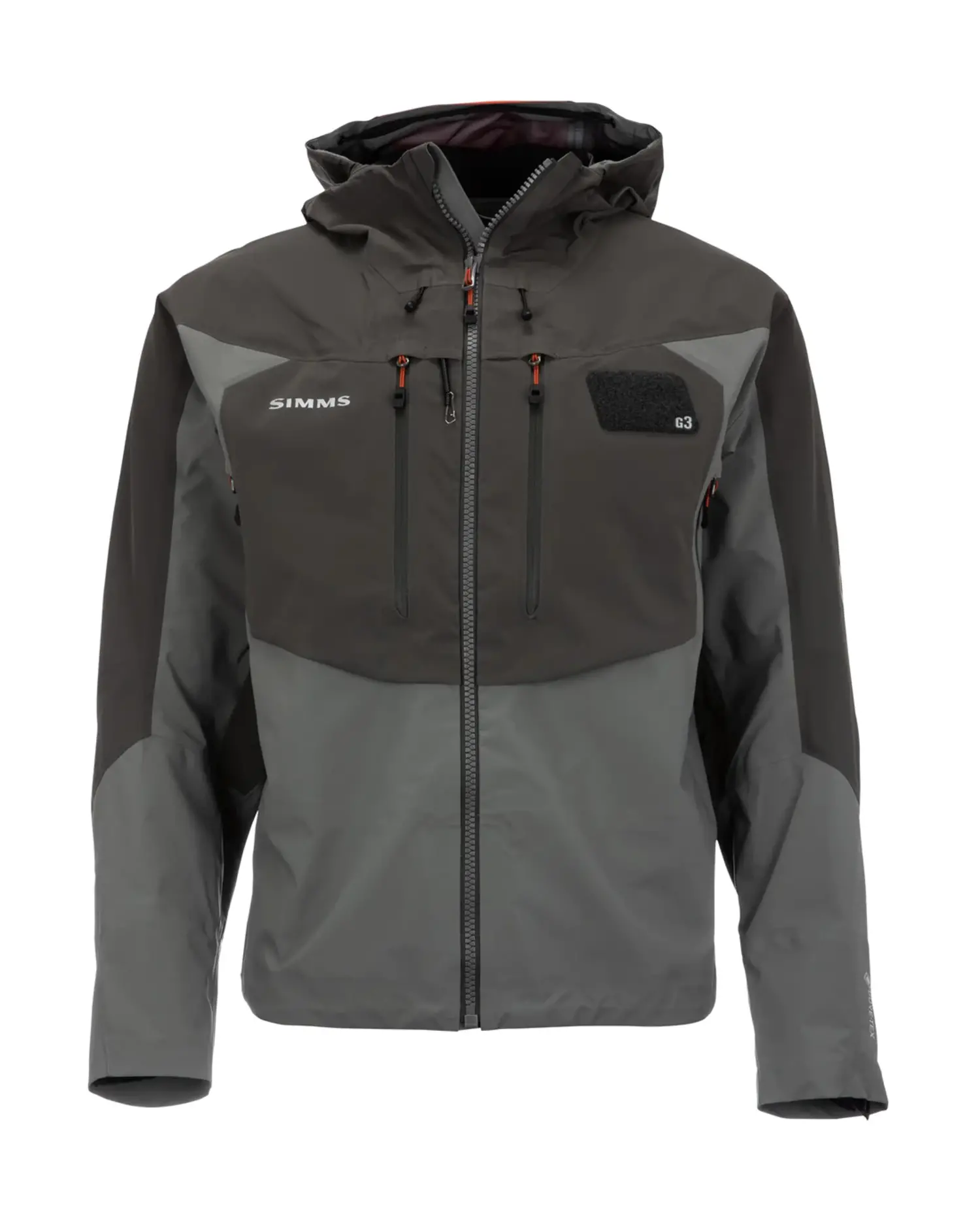
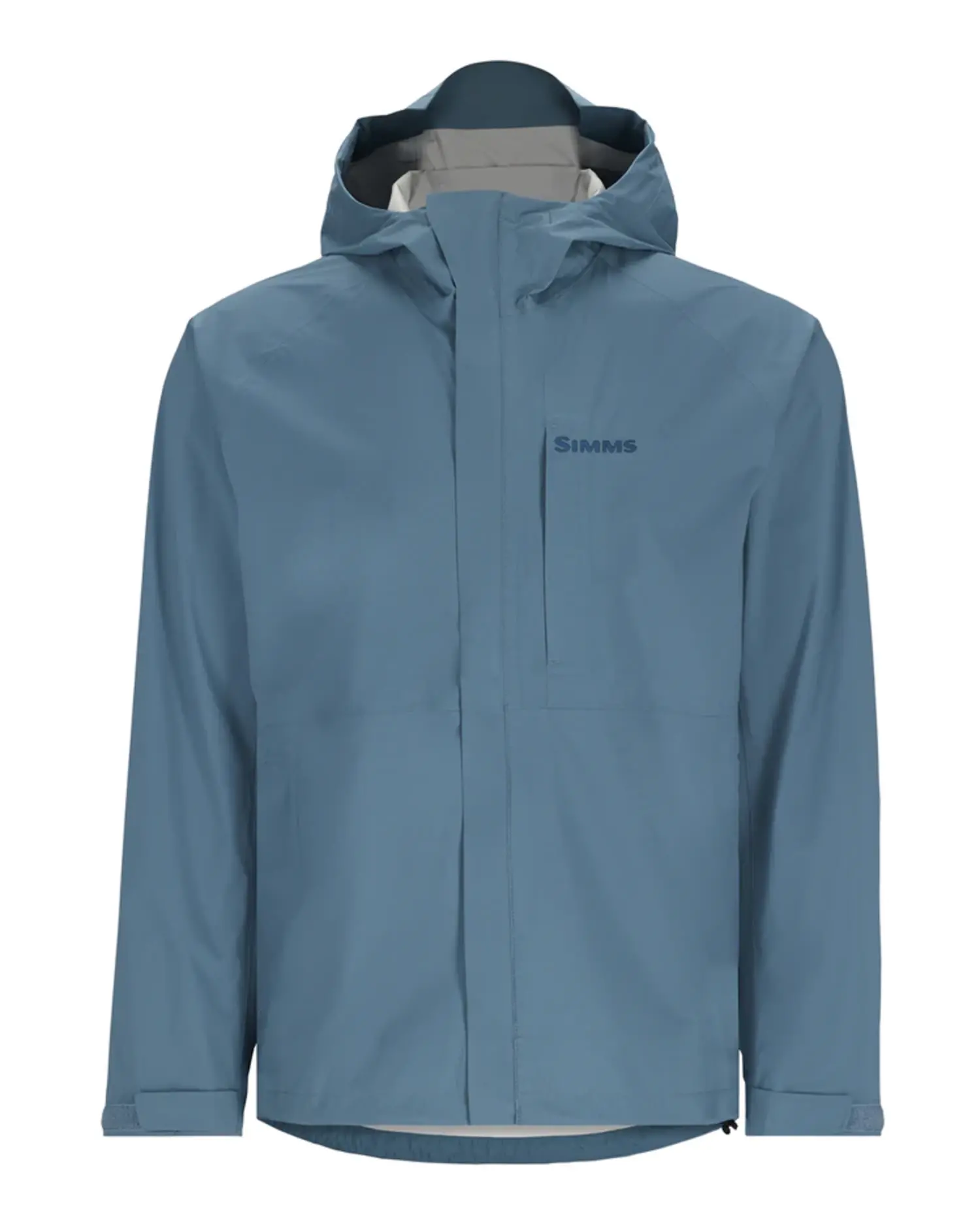
Ready to invest in quality waterproof protection for your fishing adventures? Explore our complete selection of rain and wading jackets featuring both 2-layer and 3-layer construction from trusted brands like Simms, Grundens, and Shilton. Whether you choose the technical performance of 3-layer construction or the reliable protection of 2-layer design, you'll find gear built specifically for the demands of fly fishing.
Visit us online or in-store to compare construction types, feel the differences firsthand, and get expert guidance on selecting the rain jacket that matches your fishing style, frequency, and budget. Stay dry, stay comfortable, and stay on the water longer with the right rain jacket construction for your needs.
Recent articles
View all
Layering for Spring Fishing: How to Dress for 40°F Mornings and 70°F Afternoons
5 Essential Fly Patterns for Spring Trout in the Southeast