5 Essential Fly Patterns for Spring Trout in the Southeast
Spring in the Southeast: what changes for trout and bugs
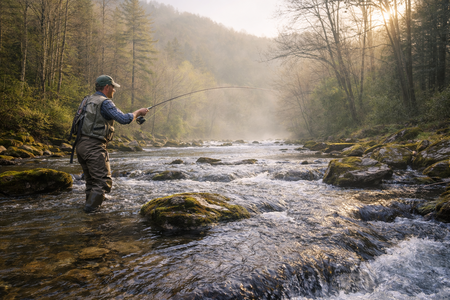
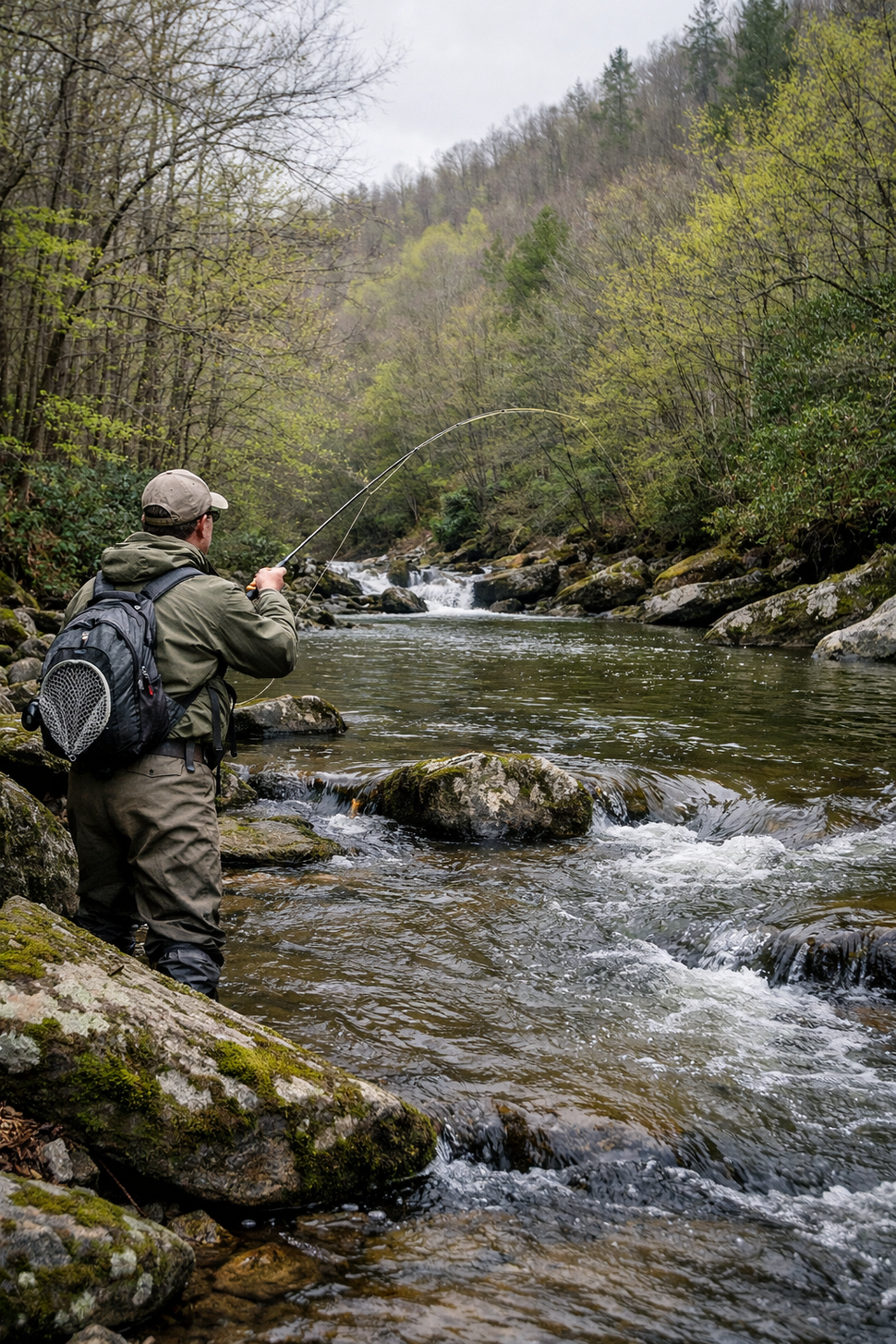
Spring is when Southeast trout rivers and small streams start to feel “alive” again. Water temps climb out of winter lows, flows often run higher and a bit stained, and trout shift from conserving calories to feeding more frequently. For fly anglers, that means you can cover a wide range of food sources on any given day: nymphs tumbling in faster currents, early-season mayflies like the March Brown hatch, caddis and stoneflies moving toward the banks, and the first meaningful streamer bite as bigger fish wake up.
This mix is exactly why a small, intentional box of spring trout flies can outperform a random assortment. Below are five proven southeast trout fly patterns that match what trout are actually eating across Georgia, North Carolina, Tennessee, and the surrounding region from late February through May. For each pattern, you’ll get a quick “why,” when to fish it, and the most reliable presentation.
One note before the list: spring fishing success is often less about the perfect imitation and more about where and how you fish it. In higher spring flows, focus on soft edges, inside seams, and any pocket of slower water near faster current. Trout commonly slide out of heavy winter lies and begin cruising feeding lanes that let them intercept food without fighting the current.
1) March Brown imitation (nymph and emerger)
If you fish spring in the Southeast, you’ll hear about the March Brown hatch—and for good reason. These are larger mayflies (often in the 10–14 range depending on the river and species) that show up when water temperatures become consistently favorable. Not every day is a blizzard hatch, but the nymphs are present and active well before you see adults on the surface.
Why it earns a spot
March Brown nymphs are strong swimmers and can trigger aggressive takes, especially when the water is slightly off-color or rising. Even when you don’t see surface activity, trout often key on the nymphs migrating or dislodging in faster riffles.
When to fish it
- Late winter through mid-spring: start fishing the nymph as soon as you’re consistently seeing mayflies on warmer afternoons.
- During the hatch window: add an emerger or soft hackle as the “active” fly in your rig.
How to fish it
- Dead drift nymphing: Fish a March Brown nymph through riffle-to-run transitions. Adjust weight so you tick bottom occasionally, not constantly.
- Emerger swing: At the end of your drift, let the flies swing and rise. This simple move can be the difference on days trout are eating ascending bugs.
Rigging tip: A two-fly nymph rig is ideal: lead with the March Brown nymph and trail a smaller attractor or midge. If you’re building leaders and tippet for this kind of fishing, keep a range on hand from 4X to 6X depending on water clarity and fly size. See Leaders/Tippet.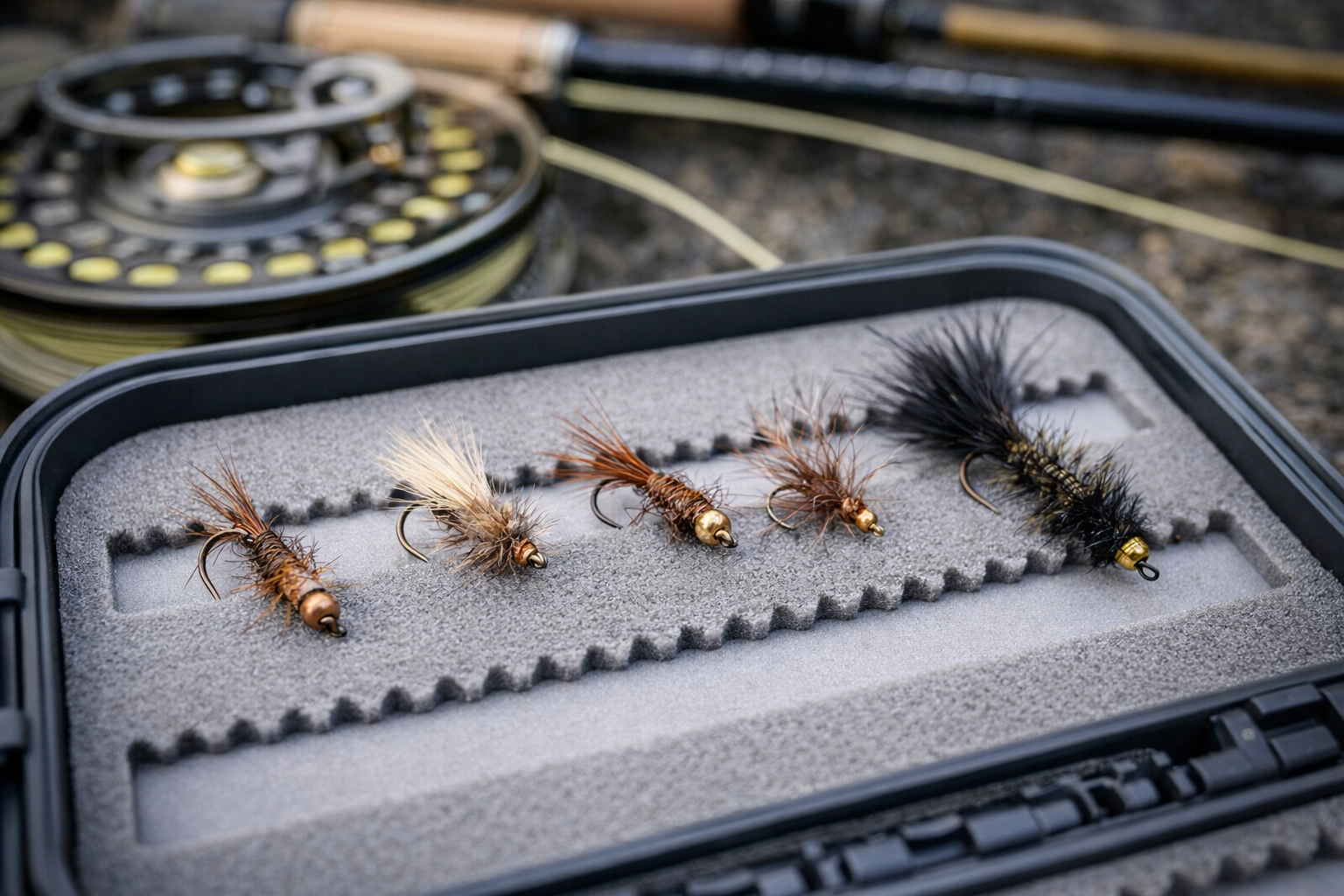
2) Elk Hair Caddis (or similar adult caddis)
Caddis are one of the most consistent spring food sources across the region. Even when mayfly hatches are spotty, you’ll often see caddis fluttering near banks and riffles, especially in the afternoon. An Elk Hair Caddis-style dry is a workhorse because it’s buoyant, visible, and broad enough to suggest multiple caddis species.
Why it earns a spot
It doubles as a searching dry and a hatch matcher. In broken water, trout can be less selective, and the skittering, bouncing nature of caddis adults plays into that. It’s also one of the most useful “indicator dries” for fishing a dropper.
When to fish it
- Afternoons into evening: especially on warming trends.
- Over riffles and pocket water: where caddis naturally concentrate.
How to fish it
- Dry-dropper: Fish the caddis dry with a nymph 16–24 inches below. This covers surface and subsurface feeding at once and helps you learn where fish are holding in spring flows.
- Skitter and pause: In riffles, a short twitch followed by a dead drift can simulate an egg-laying caddis. Don’t overdo it—subtle is usually better.
Practical note: If you’re short on box space, this is one of the few dries that can pull double duty as both a searching pattern and a hatch pattern.
3) Pheasant Tail Nymph (the Southeast “always” fly)
If you could only carry one nymph for spring, a Pheasant Tail-style nymph would be a strong argument. It’s a convincing mayfly nymph profile across sizes and is effective in clear water, stained water, tailwaters, and freestones. In the Southeast, it often imitates a range of mayfly nymphs and can even stand in for small stoneflies in a pinch.
Why it earns a spot
Trout see “buggy and edible” more than “perfectly matched.” The Pheasant Tail excels at looking alive in the drift while remaining subtle enough for pressured fish. It’s also a great “second fly” behind a bigger nymph like a March Brown imitation.
When to fish it
- All spring: from cold mornings to warm afternoons.
- When fish refuse louder patterns: especially in clearer water or lower flows between rain events.
How to fish it
- As the trailer: Run it 12–18 inches behind a heavier nymph to get it down quickly while keeping a natural drift.
- Euro-style tight line: In pocket water, a lightly weighted version can be deadly when you keep contact and lead the drift.
Presentation tip: If you’re missing takes, don’t immediately change flies. First adjust depth and drift speed. Most spring nymph misses are a depth problem.
4) Soft Hackle (wet fly) for emergers and “in-between” days
Soft hackles are one of the most overlooked spring trout flies in the Southeast, even though they shine during hatchy, unsettled conditions. When bugs are emerging but you don’t see confident risers, trout may be feeding just under the surface on ascending nymphs and emergers. A soft hackle suggests that movement better than many traditional dries or heavy nymphs.
Why it earns a spot
It covers the most confusing moments of spring: sporadic surface activity, inconsistent hatches, and fish that won’t fully commit to topwater. Soft hackles also fish well in slightly stained water because the hackle breathes and adds presence without being gaudy.
When to fish it
- During mayfly and caddis emergence: especially when you see occasional rises but no pattern.
- Cloudy or drizzly afternoons: when hatches can stretch longer and fish cruise.
How to fish it
- Dead drift then swing: Fish it like a nymph for most of the drift, then let it lift toward the surface at the end.
- On the point in a two-fly rig: Place a soft hackle above a heavier nymph so it rides higher, closer to where emergers are.
Leader note: Soft hackles often fish best on slightly lighter tippet than you’d expect because the fly is “in the film” and fish have time to inspect. Carry a few tippet sizes so you can adapt to clarity and pressure; see Leaders/Tippet.
5) Streamer (Woolly Bugger-style) for spring’s biggest trout
Spring is one of the best times to commit to a streamer for larger fish in the Southeast. Higher flows and reduced visibility give trout cover, and rising water temperatures increase their willingness to chase. A simple Woolly Bugger-style streamer (in dark or natural tones) covers a lot of prey: sculpins, small baitfish, and even large aquatic insects.
Why it earns a spot
It’s your “change the day” fly when nymphing is producing small fish or when you’re targeting fewer, better trout. It’s also excellent in the kind of spring conditions that can frustrate dry-fly anglers: wind, clouds, and variable flows.
When to fish it
- After rain bumps the flow: especially when the water has a green or tea tint.
- Early and late: low light can bring the most confident eats.
How to fish it
- Across-and-down swing: Let current animate the fly; add occasional strips.
- Bank and structure focus: Work undercut banks, submerged logs, boulder pockets, and the soft edges next to fast water.
- Short line in pocket water: In small streams, a few accurate casts can be more effective than long drifts.
Tippet tip: Don’t be afraid to step up in diameter for streamers. You’ll turn the fly over better and land fish faster, which matters in spring’s stronger currents.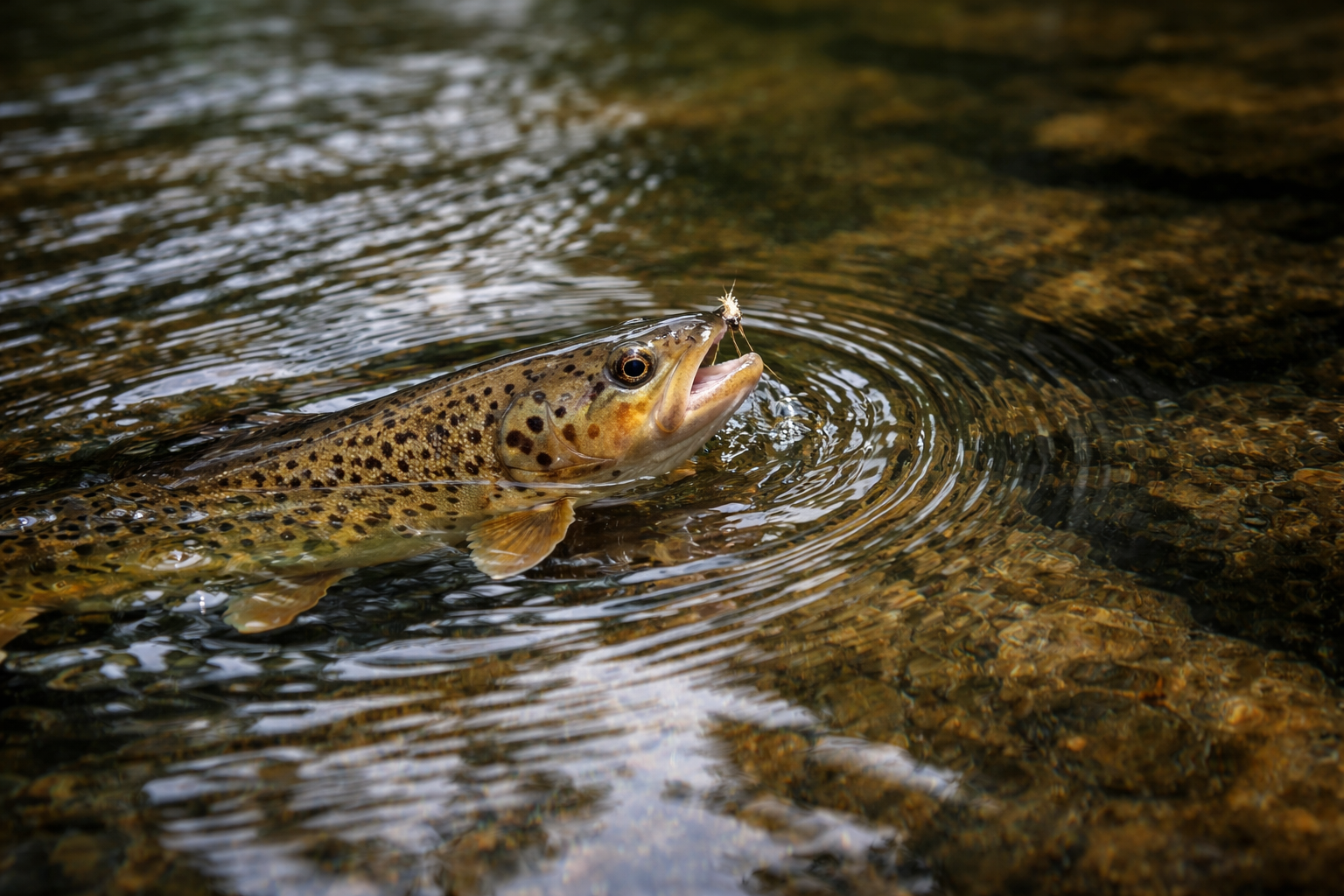
Putting it together: simple spring rigs that cover most days
With just these five patterns, you can cover the most common spring situations. Here are three straightforward approaches:
1) Nymph rig for most mornings
- Lead fly: March Brown nymph (or a heavier nymph)
- Trailer: Pheasant Tail
- Where: riffle seams, run heads, and soft edges
2) Emerger/wet fly approach for hatchy afternoons
- Option A: Soft hackle on point, lightly weighted nymph above
- Option B: Soft hackle as the dropper under an Elk Hair Caddis
- Where: tailouts, foam lines, and slower slicks adjacent to riffles
3) Streamer plan when water is up or you want a bigger bite
- Fly: Woolly Bugger-style streamer
- Where: banks, structure, and deep pockets
- How: swing first, then add strips until fish tell you what they want
Fly box organization for spring efficiency
Spring days can change quickly—sun to clouds, clear to lightly stained, calm to windy. Keeping your flies organized helps you adapt without wasting prime water. A simple approach is to dedicate one row each to: mayfly nymphs (including March Browns), general nymphs (Pheasant Tails), wets/soft hackles, dries (caddis), and streamers. If you need a box that fits that layout, browse Fly Boxes.
If you fish a lot of tight water, it also helps to separate a compact “small stream” box from your bigger river selection so you’re not digging around while standing in brushy bankside spots. For water-specific gear and ideas, see the Small Streams collection.
Common spring mistakes (and quick fixes)
Fishing too fast in cold morning water
Fix: Slow down and tighten your drift. Early spring mornings can still fish like winter. Target softer lanes and keep nymphs near the bottom.
Changing flies before changing depth
Fix: Adjust weight or indicator depth first. In spring currents, being 6 inches too high can mean zero takes.
Ignoring the “edges” during high water
Fix: Fish close. In higher flows, trout often slide toward banks, behind boulders, and into any soft cushion that delivers food.
Skipping wet flies when trout won’t rise
Fix: Tie on a soft hackle and fish the in-between zone. It’s one of the most efficient ways to capitalize on partial hatches.
Final thoughts: a small set of patterns, fished well
You don’t need dozens of specialized patterns to fish spring well in the Southeast. A March Brown nymph/emerger for the classic spring mayfly window, an Elk Hair Caddis for dependable surface activity, a Pheasant Tail for everyday nymphing, a soft hackle for emergers, and a Woolly Bugger-style streamer for higher water and bigger trout will handle most conditions you’ll face.
If you want to explore more trout-focused gear and resources for the season, start with the Trout collection. The more time you spend on the water this spring, the more you’ll notice the same pattern: trout respond to good drifts, smart depth control, and flies that suggest the right size and behavior. These five are a reliable foundation.
Recent articles
View all
Layering for Spring Fishing: How to Dress for 40°F Mornings and 70°F Afternoons