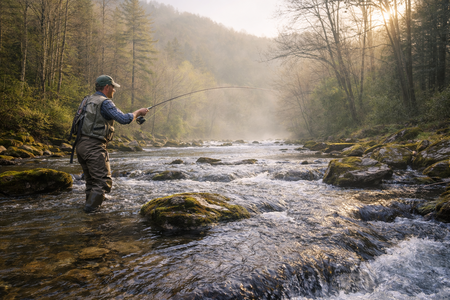
Euro Nymphing for Beginners: Complete Setup Guide and Techniques to Catch More Trout
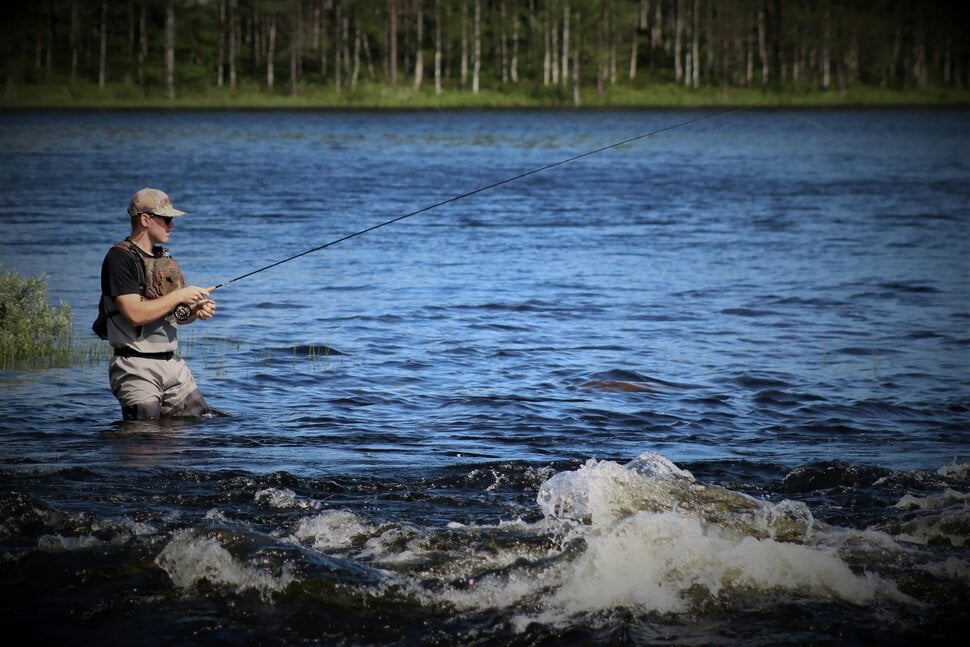
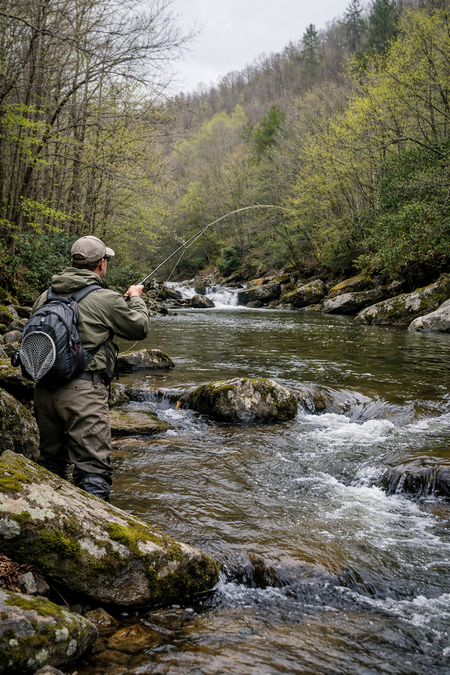
Euro Nymphing for Beginners: Complete Setup Guide and Techniques to Catch More Trout—if you’ve been hearing about tight-line tactics and seeing anglers land trout after trout in faster water, this is your roadmap. Euro nymphing is a highly effective approach that keeps your flies in the strike zone longer, improves strike detection, and gives you more control in currents. In this guide, you’ll learn the ideal euro nymphing setup, how to choose a euro nymphing rod, and the essential euro nymphing techniques you can use right away to catch more trout.
What Is Euro Nymphing (and Why It Works So Well)?
Euro nymphing (often called ESN, tight-line nymphing, or contact nymphing) is a style of nymph fishing that relies on a direct connection to your flies—typically with a long leader and a thin, highly visible “sighter”—rather than casting a floating indicator.
The reason euro nymphing is so deadly comes down to three advantages:
- More time in the strike zone: Less line on the water means fewer drag issues and a more natural drift.
- Better strike detection: You’re watching the sighter and feeling subtle takes through a tight connection.
- Superior control in complex currents: You can guide drift speed and depth by leading the flies.
If you’re wondering how to euro nymph effectively, think “contact + control.” You’re not just lobbing flies—you're managing tension, depth, and drift every second.
Euro Nymphing Setup Basics: The Complete System
A functional euro nymphing setup is a system where each part supports sensitivity, reach, and line control. You can absolutely start with what you own, but the technique becomes easier (and more productive) with purpose-built components.
1) The Euro Nymphing Rod: Length and Line Weight
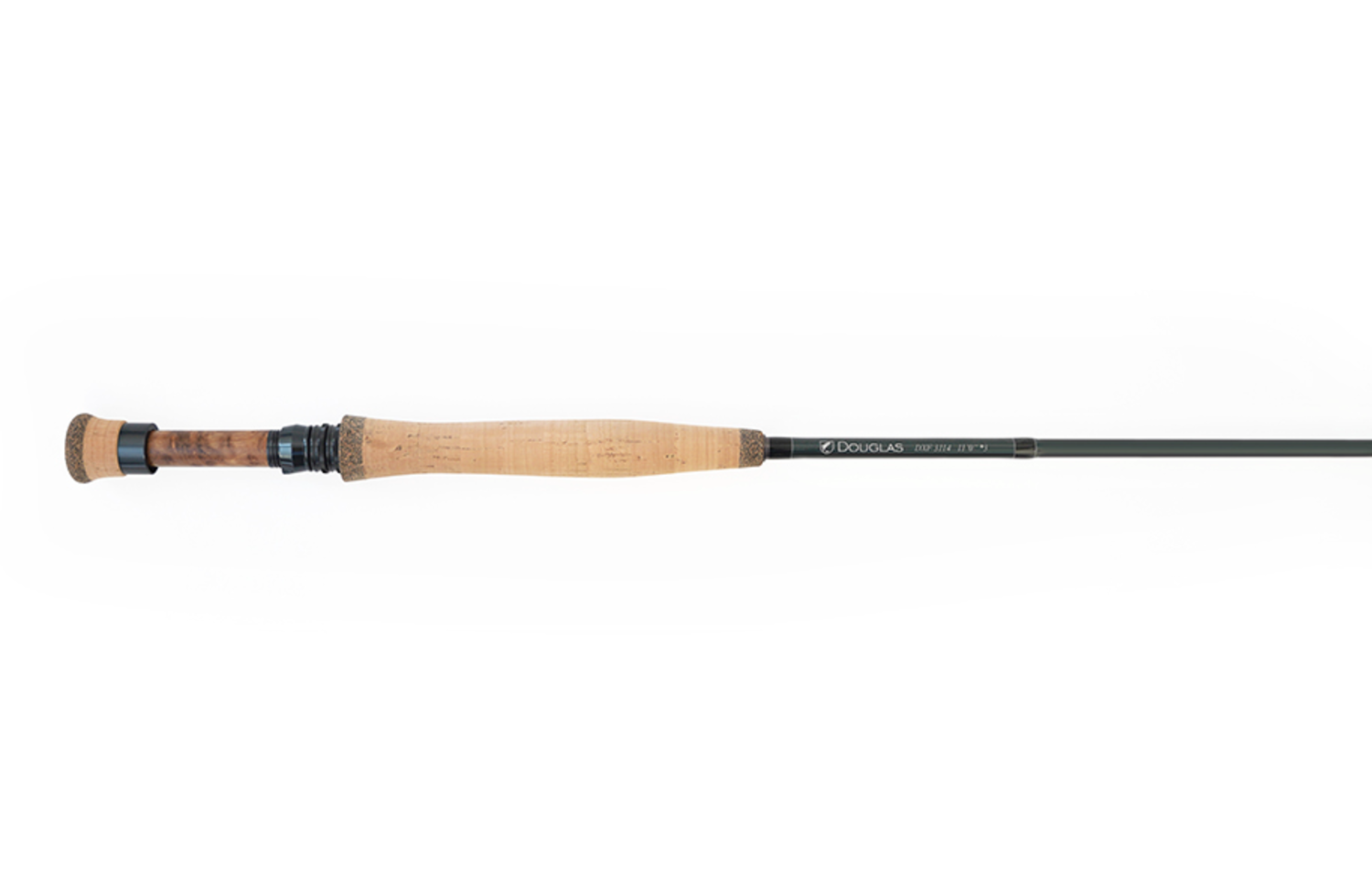
Your euro nymphing rod is the foundation. Most anglers prefer 10’ to 11’ rods in 2–4 weight. The extra length improves reach, keeps more leader off the water, and helps you steer the drift.
- 10’ 3wt: The “do-it-all” choice for many trout rivers—light enough for finesse, strong enough for decent current.
- 10’6” to 11’: More reach and easier line management, especially in bigger water.
- 2wt: Ultra-sensitive for small flies and softer water.
- 4wt: Better for heavier rigs, bigger fish, and pushier flows.
If you want a premium, purpose-built stick, the Sage 3100-4 ESN is a dedicated ESN option designed for feel, balance, and precise drift control.
If you’d rather start with a ready-to-fish package that removes guesswork, the Redington Euro Nymph Field Kit is an excellent beginner-friendly path to a complete matching system.
2) Reel and Balance
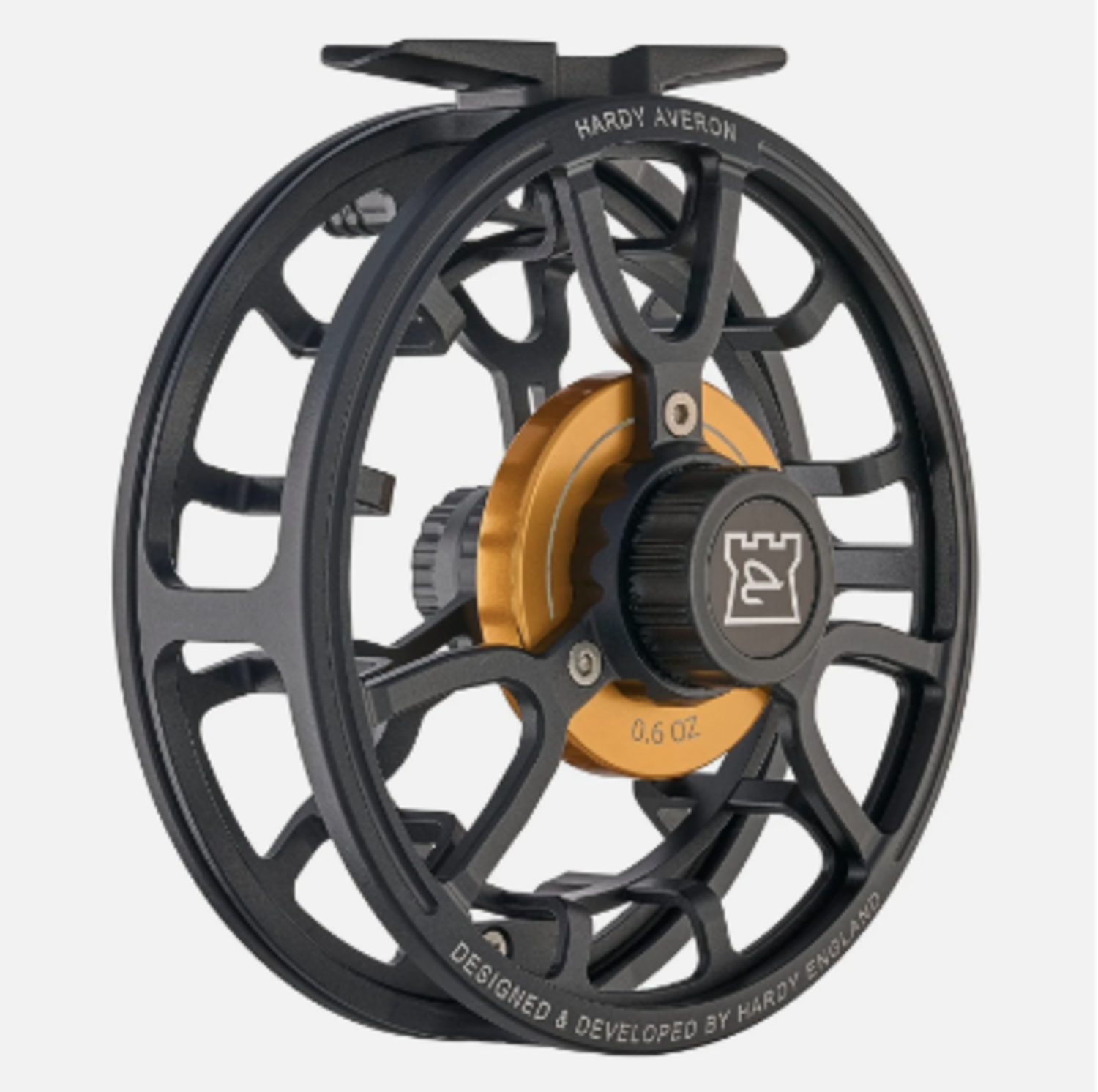
The reel matters less for drag and more for balance. A balanced outfit reduces fatigue because you’ll often hold the rod high for long periods. Choose a reel with enough weight to counter the long rod and a smooth drag for the occasional larger trout.
3) Euro Nymphing Fly Line (or Thin Level Line)

Traditional euro setups often use very thin lines to reduce sag and improve sensitivity. Some anglers use level mono (competition style), while others use specialized euro fly lines that are thin but still fly-line legal and easier to handle.
A simple, reliable choice is the Rio Euro Nymph Fly Line, designed specifically for tight-line nymphing with excellent handling and control.
4) Leader, Sighter, and Tippet
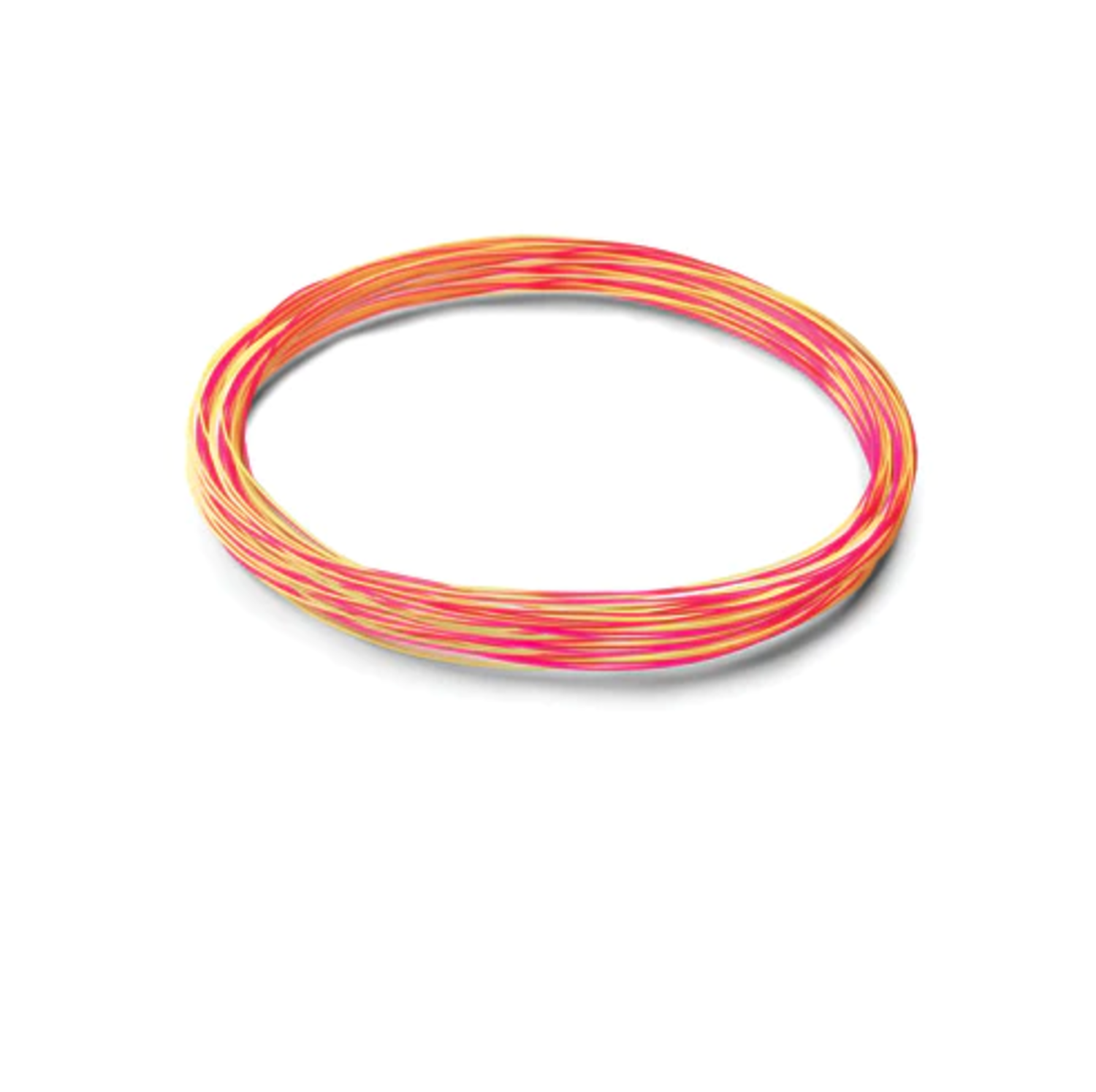
Your leader system is where euro nymphing really becomes “euro.” You want a long, tapered leader or custom build that turns over well, transmits feel, and includes a highly visible sighter section.
For an easy off-the-shelf solution, the Rio Euro Nymph Leader is a great starting point and pairs nicely with most euro nymphing rods and lines.
- Sighter: Typically a bi-color or tri-color material that helps you see stalls, twitches, and accelerations.
- Tippet: Often 4X–7X depending on fly size, clarity, and fish pressure.
Beginner tip: Keep your sighter long enough to see clearly but not so long that it sags excessively. Most newcomers do better with a moderate length sighter and a tight connection.
5) Flies: Weight, Profiles, and Simple Two-Fly Rigs

Euro nymphing relies heavily on weighted flies (beadheads, jig hooks, or added tungsten). A standard beginner approach is a two-fly rig:
- Point fly (bottom): Heavier anchor fly to reach depth (often tungsten).
- Dropper fly (top): Lighter nymph, smaller profile, or attractor pattern.
As a rule: if you’re not ticking bottom occasionally, you may not be deep enough. If you’re constantly snagging, lighten up or adjust your angle and drift speed.
How to Euro Nymph: Step-by-Step Technique
Euro nymphing looks different from traditional casting because you’re often using a controlled “lob” rather than false casting. Here’s a simple process you can follow on the river.
1) Pick the Right Water
Start in classic trout water where this approach shines:
- Riffles leading into runs
- Seams beside faster current
- Pockets and slots between rocks
- Tailouts (especially with smaller flies)
As a beginner, avoid super slow, glassy flats at first—strike detection is trickier and fish can be leader-shy.
2) Set Up Your Position and Angle
Good euro nymphing is about controlling drift angle. A common starting point:
- Stand slightly upstream of the target lane
- Cast (lob) up and across at a shallow angle
- Lead the flies downstream while maintaining light tension
Try to keep your leader off the water, with only your flies and a small portion of tippet in the current.
3) The Lob Cast (No False Casting Required)
With weighted nymphs, false casting is inefficient and often dangerous. Use a controlled lob:
- Lift the rig out of the water.
- Let the weight hang and load the rod tip slightly.
- Make a smooth forward stroke, guiding the flies to the target.
Accuracy improves quickly, and you’ll spend more time drifting and less time casting.
4) Lead the Drift and Manage Depth
This is the heart of euro nymphing techniques. As your flies sink, keep a tight but not dragging connection:
- Rod tip high to reduce line on water
- Follow the sighter with your rod tip
- Micro-adjust speed to match current
If your sighter bows downstream quickly, you may be dragging. If it goes slack instantly, you may be under-tensioned or your cast landed too close.
5) Detect Takes: Watch the Sighter, Feel the Line
Takes in euro nymphing can be subtle. Set the hook when you notice:
- A tiny tick you feel in the rod hand
- The sighter stalls or stops early
- The sighter twitches or jumps
- The leader straightens unexpectedly
When in doubt, set. Many beginners miss fish simply because they wait for an obvious pull.
6) The Hook Set: Short, Fast, and Upstream
Skip the big trout-set. Use a quick, compact lift—often slightly upstream—to maintain contact and drive the hook home. With jig hooks and barbless setups, a crisp lift is usually all you need.
Euro Nymphing Techniques That Catch More Trout
Once you have the basics, these technique upgrades will noticeably improve your catch rate.
Adjust Weight Before You Change Flies
Depth is everything. If you’re not contacting the bottom in faster runs, add weight (heavier point fly, larger tungsten bead). If you’re snagging repeatedly, lighten up or fish a slightly higher line.
Use “Track and Lead” Instead of Dragging
The goal is a natural drift with contact. Lead the flies just enough to stay connected, but not so much that you pull them unnaturally. A helpful cue: your sighter should drift at the pace of the surface bubbles in that lane.
Cover Water Methodically
Instead of making long casts, take short drifts and step down:
- Fish a lane with 2–3 drifts
- Move one step downstream
- Repeat
This systematic approach keeps your flies in productive water more consistently.
Change Angles to Trigger Strikes
If fish aren’t responding, vary your presentation:
- Up-and-across for longer sink time
- More upstream for deeper pocket water
- Slightly downstream to create a gentle swing at the end (often triggers aggressive takes)
Common Beginner Mistakes (and Quick Fixes)
- Too much line on the water: Raise the rod, shorten the cast, and keep the leader elevated.
- Not enough weight: If you never tick bottom, go heavier before swapping patterns.
- Overpowering the cast: Smooth lobs turn over better and tangle less.
- Ignoring the sighter: Your sighter is your indicator—watch it like a hawk.
- Waiting to feel a big take: Set on anything suspicious.
Recommended Euro Nymphing Gear to Get Started
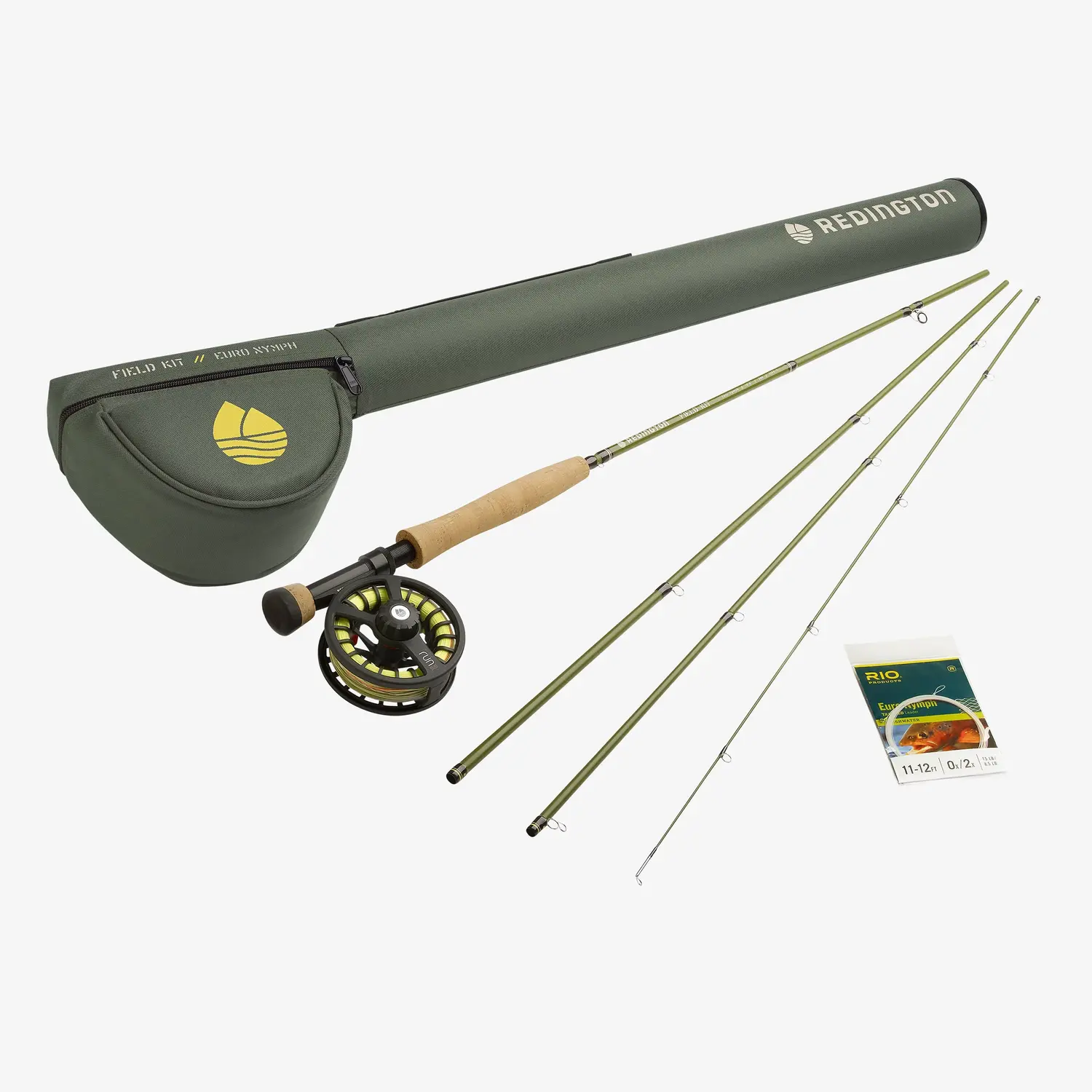
You can build your kit piece by piece or start with a streamlined setup. If you want to browse proven options in one place, check out this collection of euro nymphing gear curated for tight-line tactics.
Two great rod/kit options depending on your budget and goals:
- Redington Euro Nymph Field Kit for a balanced, beginner-friendly system.
- Sage 3100-4 ESN if you want a premium dedicated euro nymphing rod.
For line and leader, these purpose-built components simplify the learning curve:
- Rio Euro Nymph Fly Line for controlled, legal euro line handling.
- Rio Euro Nymph Leader for a ready-to-fish leader with an effective design.
And if you’re building out your overall kit beyond ESN—waders, packs, tools, and fly boxes—browse the full selection of trout fishing gear to round out your setup.
FAQ: Euro Nymphing for Beginners
Do I need a special euro nymphing rod?
You can start with a standard 9’ 4–6wt, but a longer euro nymphing rod (10’–11’) makes tight-line control, reach, and strike detection dramatically easier—especially as you fish heavier currents or longer drifts.
Can I euro nymph with a floating line?
Yes, but specialized euro lines are thinner and reduce sag, improving sensitivity. If you already own a trout floating line, you can learn the fundamentals, then upgrade for better contact and control.
What’s the easiest way to know if I’m deep enough?
You should tick bottom occasionally during the drift. No ticks usually means you’re too shallow; constant snags usually means you’re too deep or dragging.
Catch More Trout: Put This Euro Nymphing Setup to Work
Euro nymphing rewards time on the water, but it doesn’t have to be complicated. Start with a clean euro nymphing setup, focus on tight contact and controlled drifts, and commit to setting the hook on anything suspicious. Within a few trips, you’ll notice more confident drifts, better strike detection, and—most importantly—more trout in the net.
Ready to build your kit? Shop curated euro nymphing gear or jump straight into a proven setup like the Redington Euro Nymph Field Kit. If you’re upgrading to a top-tier dedicated rod, check out the Sage 3100-4 ESN, and complete your rig with the Rio Euro Nymph Fly Line and Rio Euro Nymph Leader.
Recent articles
View all
Layering for Spring Fishing: How to Dress for 40°F Mornings and 70°F Afternoons
5 Essential Fly Patterns for Spring Trout in the Southeast