Felt vs. Rubber Sole Wading Boots: Which Is Right for Your River?
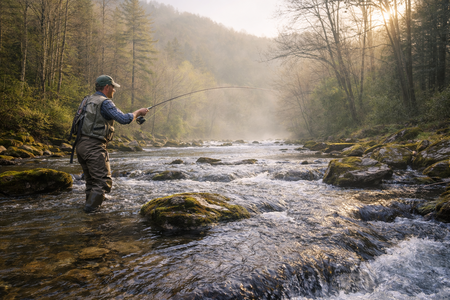
Choosing between felt and rubber sole wading boots is one of the most important decisions an angler makes when gearing up for a day on the water. Both sole types offer distinct advantages, and understanding the differences can mean the difference between a confident, safe fishing experience and an unexpected swim. Whether you're navigating slippery moss-covered boulders in a fast-moving freestone river or hiking through mixed terrain to reach your favorite fishing hole, your boot sole plays a critical role in your safety and success.
In this comprehensive guide, we'll break down everything you need to know about felt versus rubber sole wading boots, from traction performance to environmental considerations, so you can make the best choice for your specific fishing conditions.
Understanding Wading Boot Sole Technology
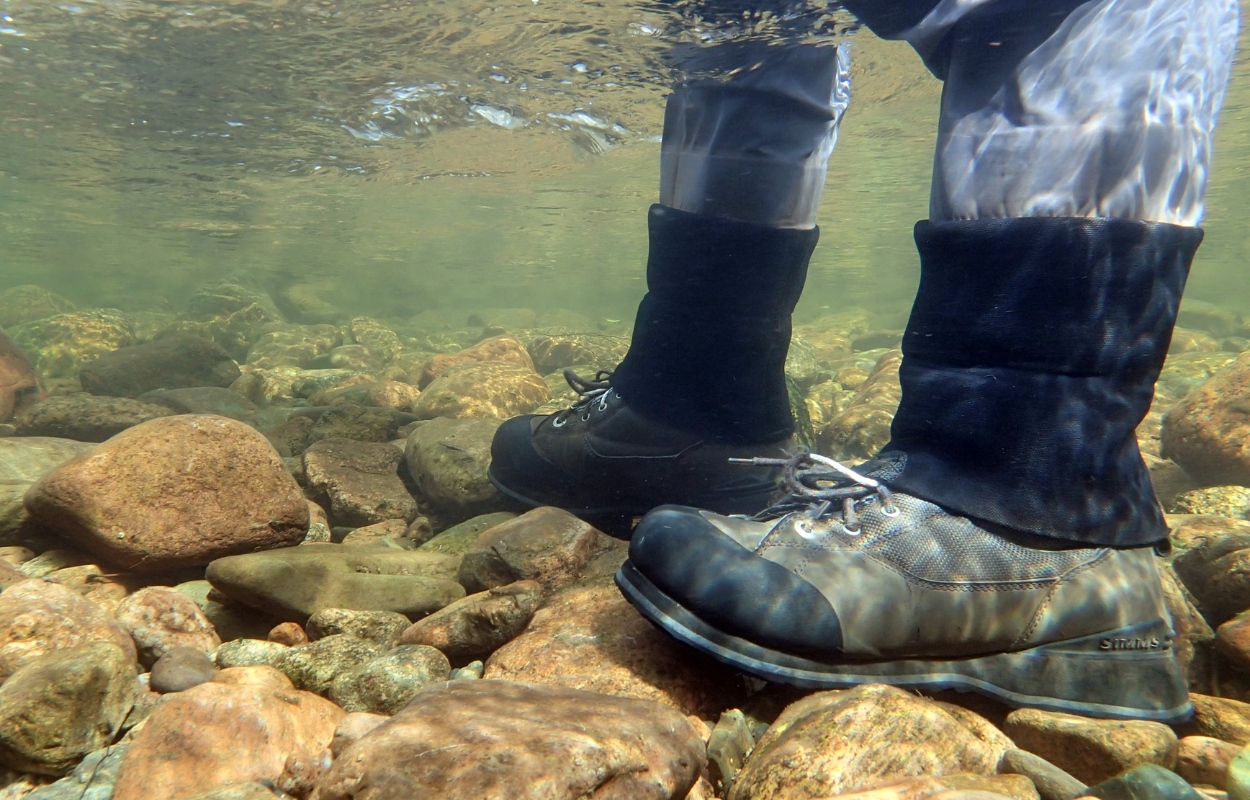
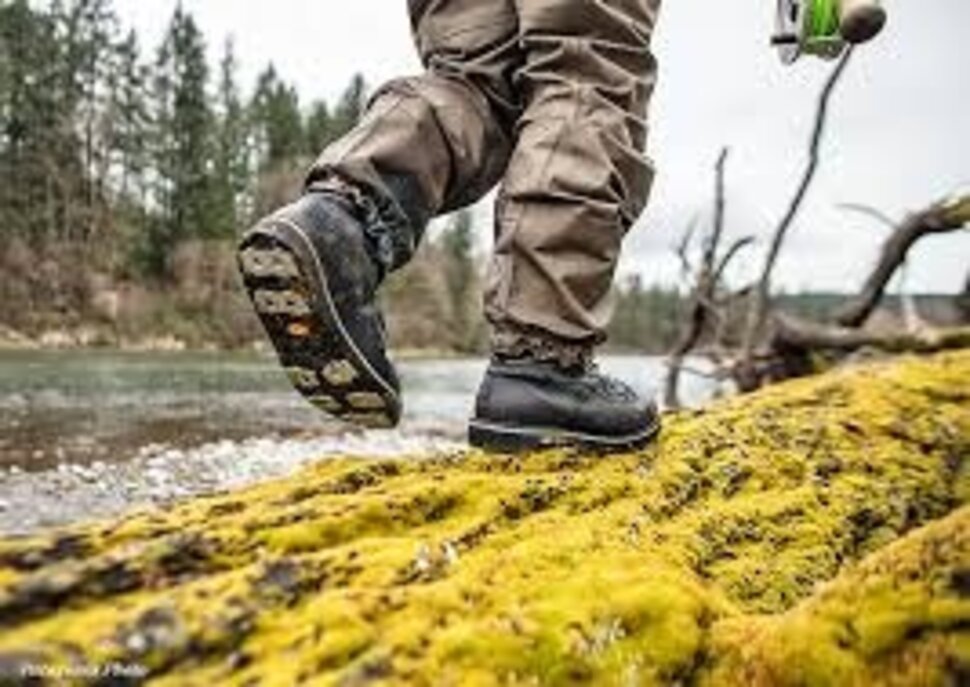
Before diving into the felt versus rubber debate, it's important to understand what makes each sole type unique. Wading boots aren't just regular hiking boots with waterproof features—they're specialized footwear engineered specifically for the unique challenges of fishing in and around water.
What Are Felt Sole Wading Boots?

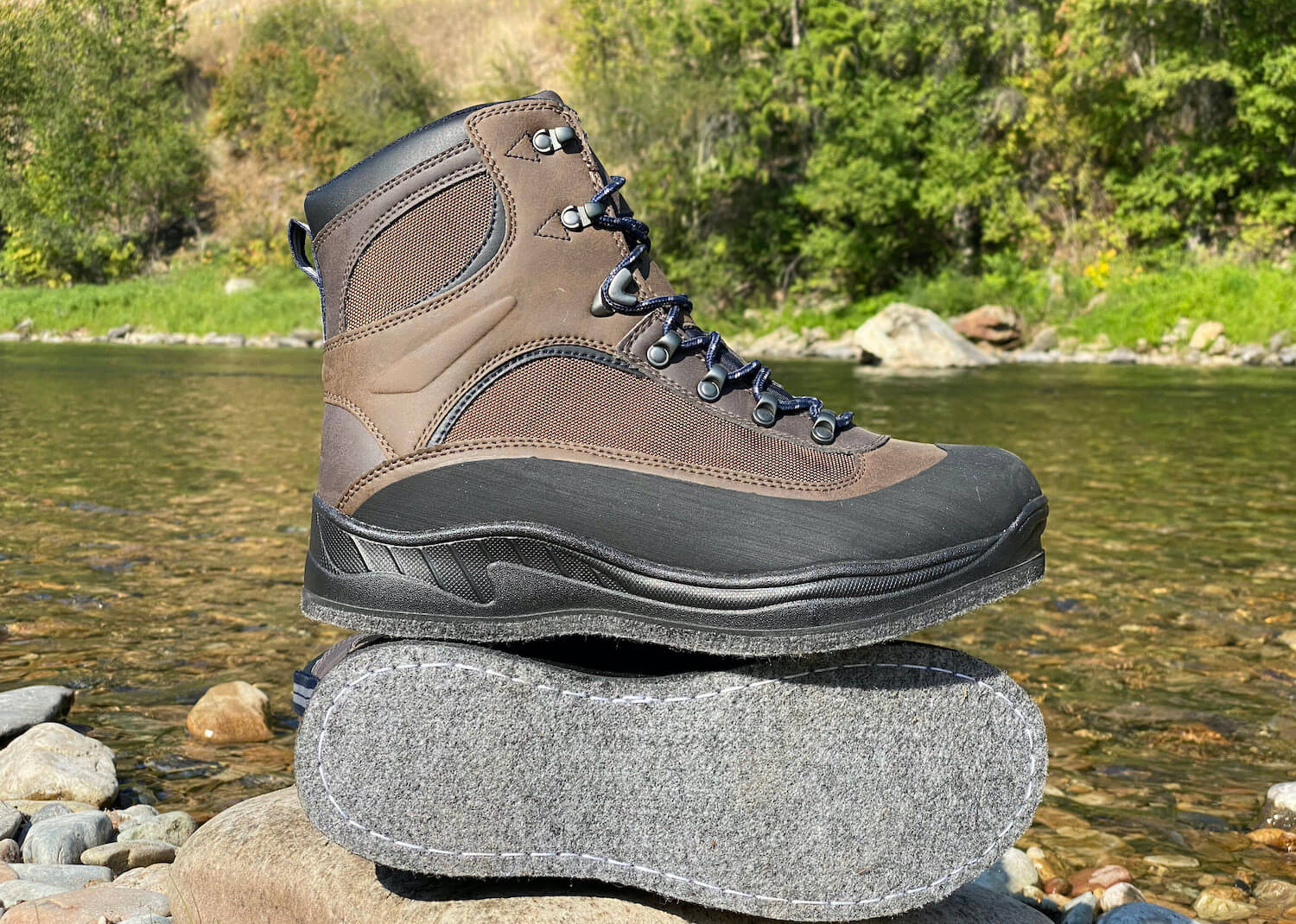
Felt sole wading boots feature a layer of compressed wool or synthetic felt material adhered to the boot's sole. This material has been the traditional choice for anglers for decades, prized for its remarkable ability to grip wet, slippery surfaces. The felt fibers create thousands of tiny contact points with the riverbed, essentially "grabbing" onto rocks, algae, and moss in ways that other materials simply cannot match.
What Are Rubber Sole Wading Boots?
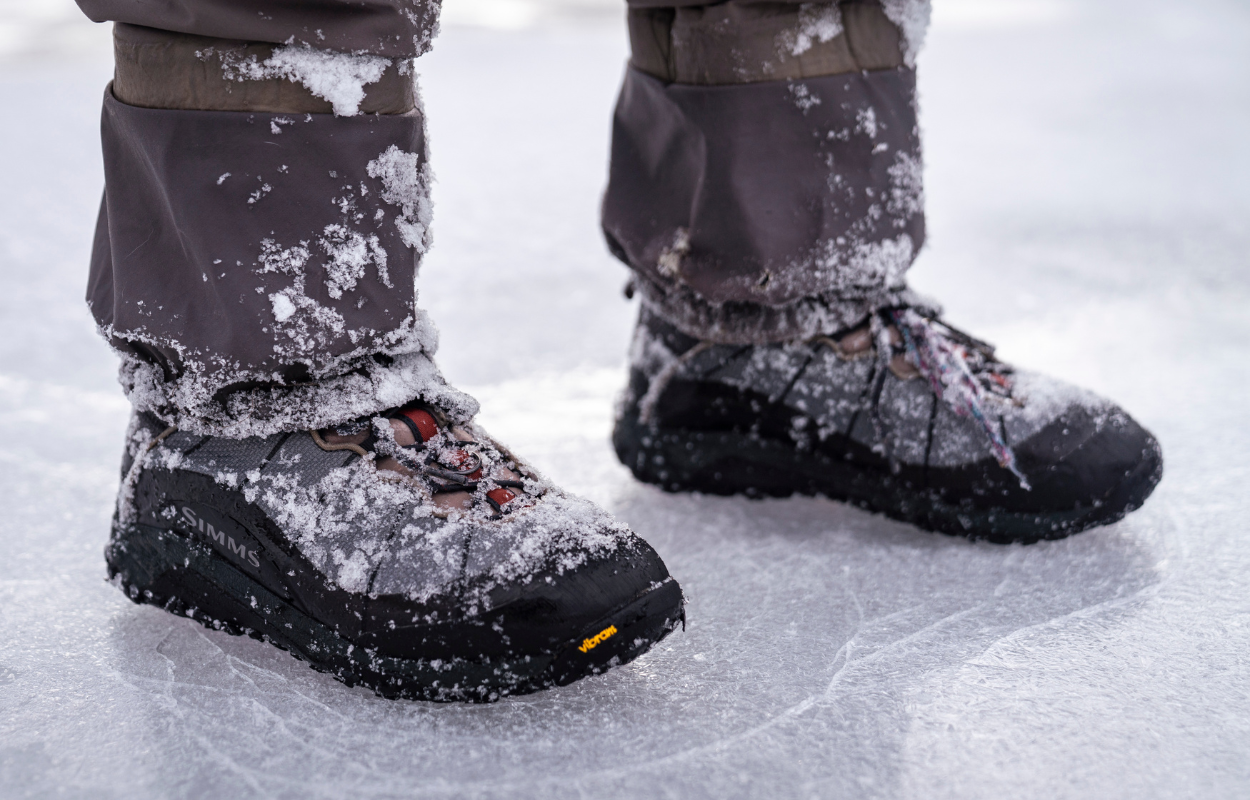
Rubber sole wading boots use advanced rubber compounds, often featuring proprietary designs like Vibram, Kling-On, or other specialized tread patterns. Modern rubber soles have evolved dramatically over the past decade, with manufacturers developing aggressive tread patterns and sticky rubber compounds specifically engineered for wading applications. These boots often incorporate multi-directional lugs, drainage channels, and strategic siping to maximize grip both in water and on dry land.
Felt Sole Wading Boots: Pros and Cons
The Advantages of Felt Soles
Superior Traction on Slippery Rocks
The primary advantage of felt sole wading boots is their unmatched grip on wet, algae-covered, and moss-laden rocks. If you've ever stood on a basketball-sized boulder covered in slime while water rushes around your legs, you understand why many experienced anglers swear by felt. The material conforms to irregular rock surfaces and provides exceptional friction, even on the slipperiest stream beds.
Felt truly excels in freestone rivers with boulder-strewn bottoms, mountain streams with high gradients, and any water where you're constantly navigating large, slick rocks. Many guides fishing big western rivers, challenging trout streams, and technical wading environments consider felt soles essential safety equipment.
Quiet Movement in Water
Felt soles are notably quieter when walking through water compared to rubber. This stealth factor can be advantageous when approaching spooky fish in clear, shallow headwater streams where every step matters. The softer material creates less disturbance as it contacts rocks underwater, potentially giving you an edge in technical fishing situations.
Proven Track Record
Felt has decades of proven performance behind it. Generations of anglers have relied on felt soles to keep them upright in challenging conditions, and the technology is well-understood and time-tested.
The Disadvantages of Felt Soles
Environmental Concerns and Legal Restrictions
The most significant drawback of felt sole wading boots is their potential to spread aquatic invasive species. The porous nature of felt makes it an ideal carrier for microorganisms, algae spores, parasites, and other aquatic hitchhikers that can devastate native ecosystems.
Several states have implemented outright bans on felt sole wading boots due to these concerns:
- Alaska: Statewide ban to combat didymo (rock snot), New Zealand mudsnails, and whirling disease
- Maryland: Banned in 2011 with fines up to $1,000 for first-time violations
- Missouri: Prohibits "porous soled" boots on trout waters
- Nebraska: Banned to prevent spread of zebra and quagga mussels
- Rhode Island: Implemented felt ban in 2012
- South Dakota: Statewide ban enacted in 2013
- Yellowstone National Park: Felt soles prohibited as of 2018
Additionally, Vermont had a ban but rescinded it in 2016. Several other states and regions are considering similar restrictions. If you travel to fish different waters, you need to research local regulations carefully—showing up to your dream fishing destination only to discover your felt boots are illegal is a scenario no angler wants to experience.
Poor Performance on Dry Land
While felt excels in water, it's notoriously terrible on dry ground. The smooth surface offers virtually no traction on grass, muddy banks, gravel trails, wet leaves, or snow. Many anglers report slipping and falling on streamside banks while their felt soles perform flawlessly in the water. Some experienced fishermen resort to carrying a second pair of boots or changing into felt only at the water's edge.
Snow presents a particular challenge—wet felt soles collect snow like platform shoes, creating dangerous, heavy clumps on your feet. The first step into the water with snow-laden felt can result in a very cold, unexpected swim.
Durability Issues
Felt soles wear down relatively quickly compared to rubber, especially if you do any amount of hiking in them. Once the felt compresses and wears thin, traction decreases significantly. Replacement felt sole kits are available, but this represents an ongoing maintenance cost and hassle that rubber soles don't require.
Longer Drying Time
Felt absorbs and retains water for extended periods. This not only adds weight but also creates the perfect environment for invasive species to survive between fishing trips. Properly drying felt soles can take 48 hours or more, making it difficult to fish multiple waters in quick succession without multiple pairs of boots.
Rubber Sole Wading Boots: Pros and Cons

The Advantages of Rubber Soles
Versatility Across All Terrain
The standout feature of rubber sole wading boots is their versatility. Modern rubber compounds like Vibram and Kling-On provide reliable traction not just in water, but also on muddy banks, wet grass, dry rocks, gravel trails, and even snow. This all-around capability makes rubber the superior choice for anglers who cover diverse terrain or split time between hiking and wading.
If your fishing trips involve long approaches, frequent bank crossings, or moving between multiple fishing spots, rubber soles offer consistent performance across all conditions. They're also the obvious choice for float fishing trips where you're getting in and out of drift boats frequently.
Environmental Responsibility
Rubber soles dry quickly and are far less likely to harbor and transport invasive species compared to felt. While no boot sole is completely immune to carrying microorganisms (neoprene gravel guards, boot fabric, and laces can all harbor hitchhikers), rubber significantly reduces the risk. This environmental advantage has driven the shift in industry focus toward rubber sole technology.
For anglers who fish multiple watersheds, rubber soles combined with proper cleaning protocols offer the most responsible approach to protecting our fisheries. Organizations like Trout Unlimited have advocated strongly for rubber soles as part of a comprehensive invasive species prevention strategy.
Superior Durability
Rubber soles outlast felt by a considerable margin. High-quality rubber compounds can provide seasons of hard use without significant degradation. This durability translates to better long-term value, even though rubber-soled boots may have a higher initial cost.
Legal Everywhere
Unlike felt, rubber soles face no legal restrictions. You can travel anywhere and fish any water without worrying about regulations, making rubber the safer investment if you enjoy fishing diverse locations.
Improved Technology
Manufacturers have invested heavily in rubber sole research and development over the past fifteen years. Today's rubber soles feature aggressive multi-directional lugs, sticky compounds, and innovative tread patterns that approach felt's performance on wet rocks while maintaining all of rubber's other advantages. Brands like Korkers have developed proprietary rubber compounds specifically engineered for maximum grip in wading conditions.
The Disadvantages of Rubber Soles
Traction Gap on Extremely Slippery Rocks
While modern rubber has closed the gap significantly, most experienced anglers still acknowledge that rubber doesn't quite match felt's grip on extremely slippery, algae-covered boulders. In technical wading situations with fast current and treacherous footing, felt retains an edge in pure traction performance.
However, this gap continues to narrow as technology advances, and many anglers find that adding studs or cleats to rubber soles effectively bridges the traction difference.
Potentially Noisier
Rubber can be noisier when contacting rocks underwater, particularly in shallow, quiet water. The harder material creates more acoustic disturbance than soft felt. In most fishing scenarios this isn't a significant concern, but in ultra-clear, shallow headwaters where you're sight-fishing to wary trout, it could potentially make a difference.
Learning Curve
Anglers switching from felt to rubber often report a period of adjustment. The feel is different, and positioning your feet requires slightly different techniques. Some anglers find this transition challenging, particularly older fishermen accustomed to decades of felt use.
Adding Studs: The Best of Both Worlds?
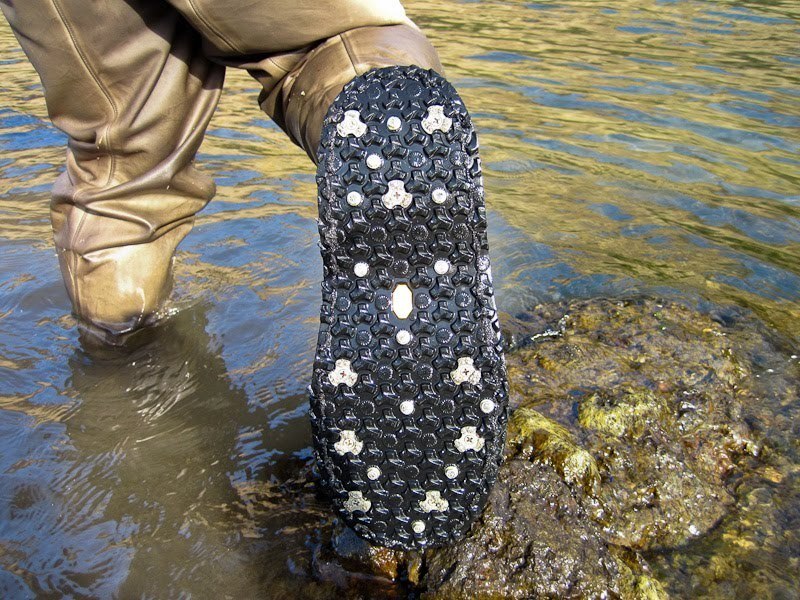
One solution many anglers adopt is adding carbide or aluminum studs to their boot soles—whether felt or rubber. Studs significantly enhance traction on both materials, particularly on hard, slick surfaces.
Studded Felt: Creates a bombproof combination for extreme conditions. The felt provides baseline traction while studs bite into harder surfaces and provide security in fast, deep water.
Studded Rubber: Dramatically improves rubber sole performance on slippery rocks, bringing it nearly equal to felt while maintaining rubber's versatility on dry land. Many anglers find studded rubber to be the optimal compromise.
Keep in mind that most drift boat operators and guides won't allow studded boots on their boats due to damage concerns. If you primarily fish from boats, you'll need studs that can be easily removed or a separate pair of boots.
Making Your Decision: Which Sole Is Right for You?
Choosing between felt and rubber ultimately depends on your specific fishing style, locations, and priorities. Here's a practical decision framework:
Choose Felt Sole Wading Boots If:
- You primarily fish large, boulder-strewn freestone rivers
- You fish exclusively in areas where felt is legal
- You rarely hike significant distances to reach water
- You fish from drift boats in technical water with slippery bottoms
- You fish the same local waters repeatedly and can properly clean and dry boots between trips
- Maximum traction on wet rocks is your absolute priority
Choose Rubber Sole Wading Boots If:
- You travel to fish different waters and need legal versatility
- You spend significant time hiking to and from fishing spots
- You value all-terrain performance and versatility
- You're committed to environmental stewardship and preventing invasive species spread
- You want low-maintenance, durable footwear
- You fish from boats frequently
- You encounter snow, mud, or grass on fishing trips
Consider Both If:
Some serious anglers invest in both felt and rubber sole wading boots, using each where it performs best. Brands like Korkers even offer interchangeable sole systems, allowing you to swap between felt and rubber depending on conditions and regulations. While this represents a larger investment, it provides maximum flexibility for anglers who fish diverse waters.
Proper Boot Care and Maintenance
Regardless of which sole type you choose, proper care is essential for both performance and environmental responsibility.
For Felt Sole Boots:
- Inspect and Remove Debris: After each use, thoroughly inspect soles and remove all visible mud, plants, and organic material
- Scrub Thoroughly: Use a stiff brush and hot water to scrub felt soles clean
- Disinfect When Traveling: If moving between watersheds, use a 5% bleach solution (note: this may degrade materials over time) or commercial disinfectant
- Dry Completely: Allow at least 48 hours of drying time before using in different waters—this is crucial for killing invasive organisms
- Consider Freezing: Some experts recommend freezing felt boots for 24 hours to ensure complete organism mortality
For Rubber Sole Boots:
- Rinse After Use: Remove mud and debris with clean water
- Scrub Tread: Use a brush to clean tread grooves where organisms might hide
- Inspect Boot Fabric: Remember that boot uppers, laces, and gravel guards can also harbor invasives
- Allow to Dry: While rubber dries faster than felt, still allow complete drying between different watersheds
- Check Studs: If using studs, periodically check that they're tight and haven't loosened
Universal Best Practices:
- Use boot cleaning stations where available—many popular fishing locations now provide these facilities
- Consider dedicating different boots to different watersheds if you fish multiple regions regularly
- Clean all wading gear, not just boots—waders, gravel guards, and even your wading staff can transport invasives
- Follow the "Clean, Drain, Dry" protocol promoted by invasive species prevention organizations
The Evolution of Wading Boot Technology
The felt versus rubber debate has driven remarkable innovation in wading boot technology. Major manufacturers have responded to environmental concerns and angler demands by developing increasingly sophisticated rubber compounds and tread designs.
Simms made headlines in 2008 by announcing they would discontinue felt production entirely, focusing instead on developing superior rubber alternatives. After backlash from traditional anglers, they eventually reintroduced felt options, but their investment in rubber technology pushed the entire industry forward. Today, boots featuring Vibram Idrogrip, Kling-On, and proprietary rubber compounds offer performance that would have seemed impossible a decade ago.
The interchangeable sole system pioneered by Korkers represents another innovative solution, allowing anglers to adapt their boots to specific conditions without maintaining multiple pairs. These systems enable switching between felt for technical water, rubber for versatility, and even hiking soles for long approaches.
Environmental Stewardship: Every Angler's Responsibility
Beyond the felt versus rubber choice, every angler has a responsibility to protect the waters we fish. Invasive species represent one of the greatest threats to native fisheries, and anglers can be unwitting vectors for these harmful organisms.
Understanding the specific invasive species threats in your region helps inform your equipment choices and cleaning protocols:
- Didymo (rock snot): A bloom-forming algae that smothers stream bottoms
- New Zealand mudsnails: Tiny snails that can reach plague proportions
- Whirling disease: A parasite causing deformities and death in trout
- Zebra and quagga mussels: Invasive mollusks that damage ecosystems and infrastructure
- Spiny water fleas: Microscopic zooplankton that disrupt food chains
While boot soles receive the most attention, a comprehensive approach to invasive species prevention includes cleaning all gear, educating fellow anglers, and supporting conservation organizations working to protect our fisheries.
Finding the Right Wading Boots at The Fish Hawk
At The Fish Hawk, we stock a comprehensive selection of both felt and rubber sole wading boots from trusted brands like Korkers. Our collection includes everything from lightweight designs perfect for summer wading to guide-grade boots built for extreme conditions.
Whether you choose the proven grip of felt soles or the versatile performance of modern rubber compounds, we have options to match your fishing style and budget. Our wading boot selection features:
- Felt sole boots for maximum traction in technical water
- Rubber sole boots with advanced tread patterns for all-terrain versatility
- Interchangeable sole systems for ultimate flexibility
- Studded options for enhanced traction
- BOA closure systems for precision fit
- Lightweight designs for long approaches
- Heavy-duty construction for demanding conditions
Browse our complete wading boots collection to find the perfect pair for your next fishing adventure.
Conclusion: Choose Based on Your Waters and Values
The felt versus rubber sole debate doesn't have a single right answer—it depends on where you fish, how you fish, and what you value most in your wading footwear. Felt remains the traction champion on extremely slippery rocks but carries environmental concerns and legal restrictions. Rubber offers versatility, durability, and environmental responsibility, with traction performance that continues to improve.
Many experienced anglers recommend starting with rubber, especially if you're new to fly fishing or building your first wading boot collection. Rubber provides the legal flexibility to fish anywhere while delivering reliable performance across diverse conditions. As you gain experience and identify your primary fishing environments, you can then decide if felt's specialized advantages justify adding it to your arsenal—assuming it's legal in your waters.
Whichever you choose, prioritize proper fit, quality construction, and responsible cleaning practices. Your boot soles might be the foundation of your wading safety, but your commitment to protecting our fisheries ensures these incredible waters remain healthy for future generations of anglers.
Ready to find your perfect pair? Explore our complete selection of wading boots and step into your next fishing adventure with confidence.
Frequently Asked Questions
Q: Can I add studs to any wading boot? A: Most modern wading boots are designed to accept studs, but verify with the manufacturer. Some rubber soles have designated stud positions, while others allow placement anywhere. Felt soles generally accept studs easily throughout the sole.
Q: How often should I replace my wading boot soles? A: Felt soles typically need replacement every 1-2 seasons with regular use. Rubber soles can last 3-5+ seasons depending on usage and terrain. Replace soles when you notice decreased traction or visible wear exposing the boot material.
Q: Are there any alternatives to felt and rubber? A: Some manufacturers offer hybrid soles or specialized materials, but felt and rubber remain the two dominant technologies. Korkers' interchangeable system allows using both on the same boot platform.
Q: Will rubber soles damage boat floors? A: Clean rubber soles are generally safe for boat floors. However, studded rubber (and studded felt) can damage boats and are typically prohibited by guides and outfitters.
Q: Can I legally use felt soles in Canada? A: Some Canadian national parks have felt restrictions, but there's no nationwide ban. Check specific provincial and park regulations before fishing.
Q: How do I know if my local waters have felt restrictions? A: Check your state's fish and game department website or contact local fly shops. Regulations can vary by specific waters within a state.
Recent articles
View all
Layering for Spring Fishing: How to Dress for 40°F Mornings and 70°F Afternoons
5 Essential Fly Patterns for Spring Trout in the Southeast