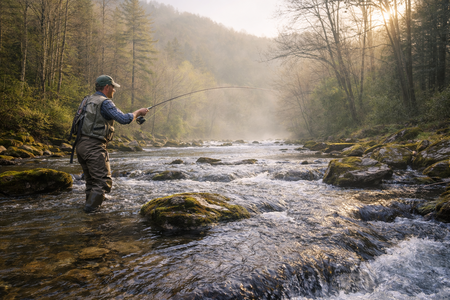
Floating vs. Sinking Fly Lines: When to Use Each Type
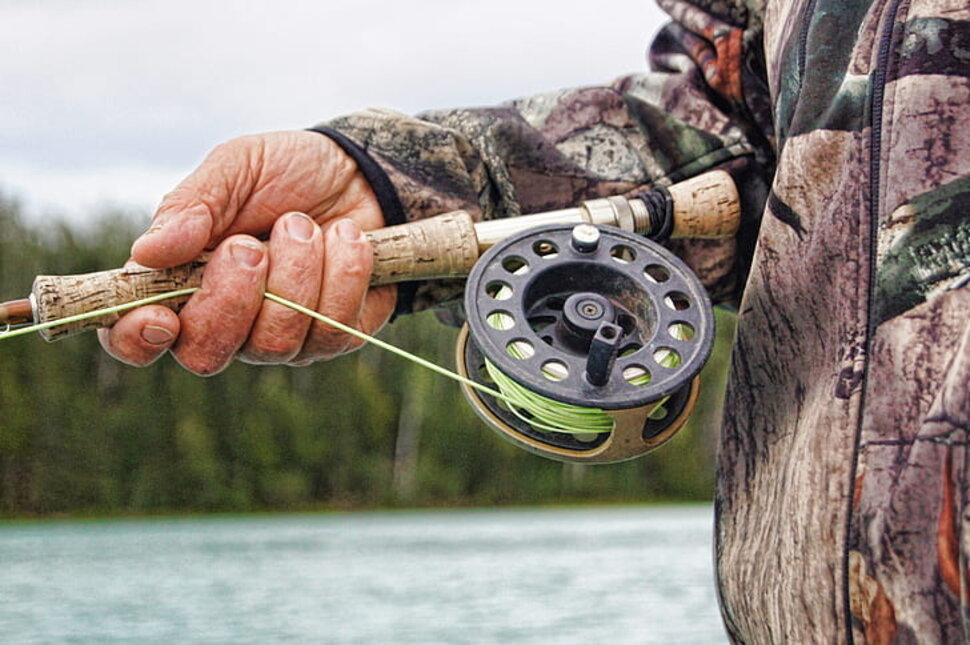
Understanding when to use floating versus sinking fly lines represents one of the most critical skills in fly fishing, directly impacting your ability to present flies at the correct depth where fish are actively feeding. While beginners often start with floating lines and may never venture beyond them, experienced anglers recognize that different water conditions, target species, and feeding behaviors demand varied fly line densities to achieve optimal presentations. Mastering the characteristics, applications, and limitations of floating, sinking, and intermediate lines exponentially expands your effectiveness across diverse fishing scenarios.
This comprehensive guide explores the fundamental differences between floating and sinking fly lines, examines the spectrum of sinking rates available, and provides practical guidance for selecting the appropriate line density for specific fishing situations. Whether you're presenting dry flies to rising trout, swinging streamers through runs, or probing deep lake structures for bass, understanding fly line density ensures you're fishing at the right depth with maximum efficiency and effectiveness.
Understanding Floating Fly Lines

How Floating Lines Work
Floating fly lines are engineered to remain on the water's surface through specialized core materials and coating formulations that provide positive buoyancy. Modern floating lines incorporate microscopic glass bubbles or foam-like materials within their coatings, creating density less than water and ensuring they float high throughout long fishing days. Advanced coatings from manufacturers like Scientific Anglers and Rio feature hydrophobic treatments that shed water, maintaining consistent floatation even after hours of casting.
The floating characteristic serves multiple functional purposes beyond simply staying on top. Floating lines provide maximum visibility and control, allowing you to track your line's position, execute precise mending to control drag, and detect subtle strikes through line movement. The surface position also facilitates easy line pickup for the next cast—you're lifting line from the surface rather than pulling it through water column resistance.
When Floating Lines Excel
Dry Fly Fishing: Floating lines are absolutely essential for dry fly fishing where your imitation must ride on the surface film. The floating line keeps your leader and fly on top, allowing natural drift and proper fly presentation. Any attempt to fish dry flies with sinking lines results in immediate failure as the line pulls your fly underwater.
Shallow Water Nymphing: When fishing nymphs in shallow water (under 3-4 feet), floating lines work excellently. Add split shot or weighted flies to get your nymph down while the floating line remains visible on the surface, providing strike indication through line movement and facilitating mending to control drift.
Top Water Bass Fishing: Poppers, divers, and other surface bass flies require floating lines. The surface line allows you to work topwater flies with the strip-and-pause action that triggers aggressive strikes, while the line's visibility helps you track your fly's location.
Shallow Saltwater Flats: When sight-fishing for redfish, bonefish, or permit in shallow water (under 3 feet), floating lines provide the delicate presentations these spooky fish demand. The line doesn't create underwater shadows or disturbance, and you maintain maximum control for quick pickups when fish move.
General Versatility: Floating lines serve as the default choice for the majority of fly fishing scenarios. When you're uncertain about depth or conditions, starting with a floating line rarely proves wrong—you can always add weight to fish deeper if needed.
Limitations of Floating Lines
Floating lines struggle in several situations. Fast currents lift weighted flies toward the surface despite added weight, preventing you from reaching feeding zones. Wind creates surface drag that pulls floating lines, making natural drifts difficult. Deep water fishing requires excessive weight that makes casting awkward and presentation unnatural. In these scenarios, sinking lines provide superior solutions.
Understanding Sinking Fly Lines

The Sinking Line Spectrum
Sinking fly lines aren't a single category but rather a spectrum of densities designed to sink at different rates, measured in inches per second (ips). This variety allows precise matching of line sink rate to water depth, current speed, and fishing technique:
Intermediate Lines: Sink at approximately 1-2 ips, fishing just below the surface to several feet deep. These slow-sinking lines bridge the gap between floating and true sinking lines.
Type III (Slow-Sinking): Sink at roughly 3-4 ips, reaching depths of 5-10 feet efficiently.
Type IV (Medium-Sinking): Sink at approximately 5-6 ips, suitable for depths of 10-15 feet.
Type V and VI (Fast-Sinking): Sink at 6-8+ ips, designed for deep water fishing exceeding 15-20 feet.
Selecting the appropriate sink rate ensures your fly reaches and maintains the target depth without excessive waiting or over-sinking.
Full Sinking Lines Explained
Full sinking lines feature density throughout their entire length, causing the complete line to descend through the water column. This characteristic provides several advantages: the entire line's weight contributes to casting distance, allowing you to reach fish at range. The submerged line experiences minimal wind and surface current effects, maintaining better contact with your fly. The uniform depth throughout the line creates consistent retrieve action without the bellying that occurs with floating lines and weighted flies.
Full sinking lines excel for lake fishing, deep river pools, fishing from boats in saltwater, and any scenario where you need to present flies at consistent depths exceeding what floating lines with weight can achieve. Striper fishing, lake trout pursuit, and deep nymphing in large rivers all benefit from full sinking line characteristics.
However, full sinking lines present challenges. They're difficult to pick up for recasts—you must strip in significant line before executing a roll cast to bring line to the surface for pickup. Mending becomes impossible once the line sinks. Strike detection relies entirely on feel rather than visual cues. These limitations make full sinking lines more specialized tools requiring practice and experience to use effectively.
The Versatile Middle Ground: Sink Tip Lines

Understanding Sink Tip Design
Sink tip fly lines represent elegant compromises between floating and full sinking lines, featuring sinking sections (typically 10-30 feet) at the front end while the running line remains floating. This hybrid design combines the depth-reaching capability of sinking lines with much of the control and ease-of-use that floating lines provide.
The floating running line remains visible on the surface, providing visual reference for line position and facilitating mending to control presentation. The sinking tip pulls your fly down to productive depths while the floating section allows relatively easy line pickup for recasting. You gain access to deeper water zones without sacrificing all the control that makes floating lines user-friendly.
When Sink Tips Shine
Streamer Fishing in Rivers: Swinging or stripping streamers through runs, pools, and current seams works beautifully with sink tip lines. The sinking tip gets your streamer down into the strike zone while the floating running line maintains control and provides better strike detection than full sinking lines.
Fishing the Swing: When swinging flies for steelhead, salmon, or trout, sink tips allow you to control depth and swing speed through varying currents. The floating running line enables mending to slow or speed your swing, while the sinking tip keeps your fly in the productive zone throughout the drift.
Moderate Depth Fishing: For fishing depths between 4-12 feet—too deep for effective floating line fishing but not requiring full sinking lines—sink tips provide ideal solutions. This depth range covers a huge percentage of productive fishing water in rivers and lakes.
Transitional Zones: When fishing drop-offs, ledges, or areas where depth varies significantly, sink tips adapt better than full sinking lines. You can fish shallows and depths in the same cast, with the tip reaching down while the floating section rides over shallow structure.
Windy Conditions: The submerged tip section resists wind better than floating lines, maintaining better contact with your fly in breezy conditions while the floating running line still provides some visual reference.
Interchangeable Tip Systems
Modern sink tip technology often employs interchangeable tip systems where you attach different density tips to a floating running line via loop connections. This versatility allows you to carry multiple sink rates without multiple complete fly lines, adapting to changing conditions throughout the day. Systems from Rio and Scientific Anglers offer tips ranging from intermediate to very fast sinking rates, creating complete depth coverage from a single line investment.
Intermediate Lines: The Subtle Option
Characteristics and Applications
Intermediate lines occupy unique territory—they sink, but slowly. Sinking at only 1-2 inches per second, intermediate lines fish just below the surface to several feet deep, depending on retrieve speed and water current. This subtle sinking characteristic creates advantages in specific scenarios where you want subsurface presentation without the commitment of faster-sinking lines.
Stillwater Fishing: In lakes and ponds, intermediate lines allow you to fish emergers, wet flies, and streamers in the top several feet of water column—often the most productive zone. The slow sink rate keeps flies in the feeding zone longer than floating lines with weighted flies.
Calm Water Situations: When surface disturbance from floating lines might spook fish, intermediate lines present flies with minimal surface disruption. The submerged line creates less visible disturbance while maintaining good control.
Wind Penetration: Intermediate lines cut through wind better than floating lines while remaining easier to manage than full sinking lines. For windy days on lakes or exposed rivers, intermediates often provide the best compromise.
Shallow Saltwater: In skinny saltwater flats (1-3 feet deep), intermediate lines sink slowly enough to avoid snagging bottom while getting flies down to feeding fish. The transparency of water in many flats means subsurface lines are less visible to fish than floating lines.
Practical Selection Guidelines
Reading Water Conditions
Water depth, current speed, and structure determine appropriate line density. In shallow, slow water, floating lines work perfectly. As depth increases beyond 4-5 feet or current accelerates, sink tips become more effective. True deep water (over 12-15 feet) or very fast current requires full sinking lines to maintain contact with bottom and keep flies in productive zones.
Consider not just maximum depth but the depth profile throughout your drift or retrieve. Variable depth favors sink tips or floating lines with weight, while consistent depth suits full sinking lines.
Matching Technique to Line Type
Dead Drifting: Floating lines with indicators or Euro nymphing-specific lines Swinging Flies: Sink tips for most river conditions, varying tip density based on depth and current Stripping Streamers: Sink tips for rivers, full sinking or intermediate for lakes Retrieving Subsurface: Intermediate or sink tips depending on desired depth Fishing Structure: Full sinking lines for probing deep lake structure, drop-offs, and channels
Species Considerations
Trout: Primarily floating lines, with sink tips for streamer fishing and full sinking for deep lake trolling Bass: Floating for topwater, intermediate for shallow subsurface, sink tips for deeper structure Saltwater Inshore: Floating for shallow flats, intermediate for skinny water, sink tips for channels and deeper water Saltwater Offshore: Full sinking lines for reaching depths where pelagic species feed Steelhead and Salmon: Primarily sink tips with varying densities based on water conditions

Building Your Line Density Arsenal
The Essential Three-Line System
Most anglers benefit from three line density options covering the complete spectrum:
Floating Line: Your primary line for the majority of fishing situations, handling dry flies, shallow nymphing, and topwater fishing.
Sink Tip Line or System: Versatile intermediate-depth fishing covering the 4-12 foot range that represents much of productive water. Interchangeable tip systems provide maximum flexibility.
Full Sinking Line: Specialized deep fishing for lakes, deep rivers, and situations requiring consistent depth beyond 12-15 feet.
This three-line system ensures you have appropriate tools for virtually any fishing scenario without excessive redundancy or gaps in coverage.
Single Line Solutions for Beginners
Anglers just starting or fishing limited scenarios can begin with a single floating line, adding weight to fish deeper when necessary. This approach works adequately for learning fundamentals and understanding when floating line limitations emerge through experience. As your fishing expands into deeper water, faster current, or streamer techniques, adding a sink tip line becomes the logical next investment.
Techniques for Fishing Sinking Lines
The Countdown Method
When fishing full sinking or sink tip lines, the countdown method helps you determine proper depth. After casting, count seconds as the line sinks before beginning your retrieve. If you count to 10 and start retrieving without hitting bottom or catching fish, try counting to 15 on the next cast. Conversely, if you're constantly snagging bottom at 10 seconds, count to only 7 or 8.
This systematic approach helps you dial in the productive depth zone where fish are feeding, ensuring your fly spends maximum time at the right depth.
Managing Sinking Line Pickups
The biggest challenge with sinking lines is picking them up for the next cast. You must strip in line until only the leader and a short section remain in the water, then execute a powerful roll cast to bring the line to the surface before making your actual forward cast. This two-stage pickup requires practice but becomes second nature with experience.
Reading Takes with Sinking Lines
Without visible line on the surface, detecting strikes with full sinking lines relies on feel. Stay in constant contact with your fly through the line—you'll feel takes as taps, tugs, or sudden stops. Keep your rod tip low and pointed at your fly to maintain direct connection. This tactile strike detection requires concentration but becomes intuitive with practice.
Conclusion
Mastering floating and sinking fly line selection exponentially expands your effectiveness across diverse fishing scenarios. Floating lines provide unmatched versatility and control for surface and near-surface fishing, while sinking lines unlock deep water opportunities that floating lines cannot access. Sink tip lines bridge these extremes, offering depth capability with much of floating lines' ease-of-use.
Understanding when each line type excels—and more importantly, when each reaches its limitations—ensures you always fish at the right depth with appropriate techniques. The depth where fish feed changes constantly based on weather, season, time of day, and countless other variables. Anglers equipped with multiple line densities adapt to these changes, maintaining productivity when single-line anglers struggle.
Ready to expand your fly line arsenal with the perfect density options for your fishing? Explore our comprehensive collection of fly lines featuring floating, intermediate, sink tip, and full sinking options from Scientific Anglers, Rio, and Cortland. Whether you need delicate floating lines for technical trout, versatile sink tips for streamer fishing, or full sinking lines for deep water exploration, The Fish Hawk provides the premium line densities that keep your flies in the strike zone for maximum success on the water.
Recent articles
View all
Layering for Spring Fishing: How to Dress for 40°F Mornings and 70°F Afternoons
5 Essential Fly Patterns for Spring Trout in the Southeast