Giant Trevally on the Fly: The Complete Gear Guide for Your First GT Adventure
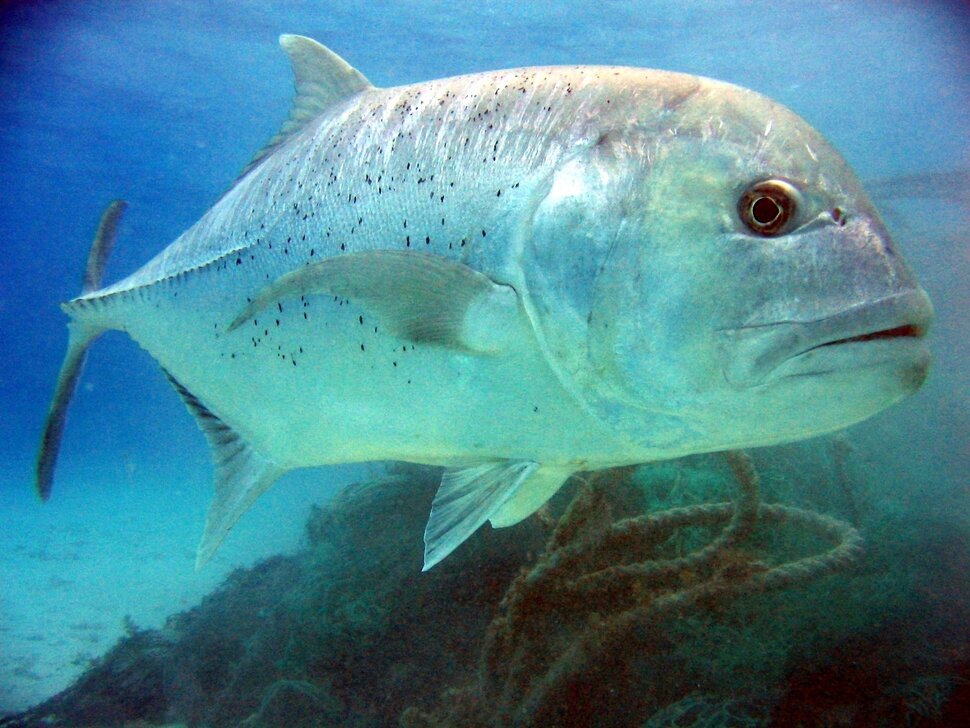
If you’re planning your first trip for giant trevally fly fishing, your odds of success will be shaped long before you ever see a reef edge explode. “Giant Trevally on the Fly: The Complete Gear Guide for Your First GT Adventure” is built to help you assemble a reliable, travel-ready kit—rod, reel, line, leaders, and flies—so you can cast big patterns in wind, set the hook hard, and survive the first blistering run. Below is a practical breakdown of GT fishing gear and a saltwater fly fishing setup that won’t fold when things get violent.
Why GT Gear Matters (and Why “Trout Gear” Doesn’t Translate)
Giant trevally are built like a wrecking ball: thick shoulders, brutal acceleration, and an instinct to head straight for coral. A proper giant trevally tackle system needs to do three things consistently:
- Deliver big flies fast (often into wind) and do it repeatedly without tiring you out.
- Set and hold with heavy drag pressure and strong knots—no “soft” hook-sets.
- Survive salt, heat, and abuse from boat decks, sand, spray, and repeated dunking.
This is why “good enough” equipment becomes expensive quickly. A single failure—bent hook, popped leader, sticky drag—can mean the only shot you get all day is gone.
The Core Saltwater Fly Fishing Setup for GTs
Think of your GT setup as a system. Each component supports the others. When you build your kit intentionally, casting gets easier, stripping becomes cleaner, and you can apply pressure confidently once you’re connected.
- Rod: Typically 10–12 weight fast-action saltwater rod
- Reel: Sealed drag, high capacity, corrosion-resistant
- Line: Short, aggressive head designed for big flies (GT taper)
- Leader/tippet: Abrasion-resistant, strong knots, simple system
- Flies: Big profile, durable materials, heavy hooks
- Accessories: Stripping basket, pliers, gloves, packs, spares
If you’d rather shop the complete category and refine from there, start with this giant trevally gear collection and use the guide below to choose the right pieces for your destination and casting style.
Best Fly Rods for Giant Trevally: Choosing the Right Weapon
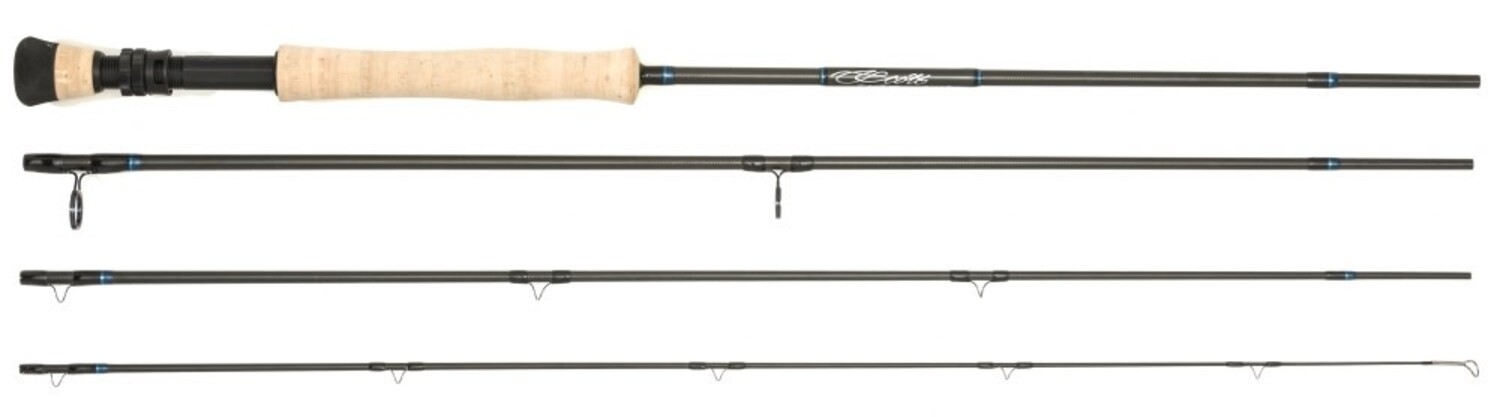
When anglers ask about the best fly rods for giant trevally, the “best” rod is the one you can cast for hours, into wind, with a big fly, and still drive a hook home at 60 feet. That usually means a fast, powerful blank with strong lifting power and corrosion-resistant components.
Rod Weight: 10, 11, or 12?
- 10-weight: Great for smaller GTs, calmer conditions, and anglers who value comfort. Best when fish average smaller or when you’ll also target other species.
- 11-weight: A versatile “sweet spot” for many destinations—enough power for big flies, but not as taxing as a 12.
- 12-weight: The choice when wind is consistent, flies are large, and fish are heavy. It’s demanding, but it moves line and sets hooks exceptionally well.
Many first-timers bring an 11 as the primary rod and a 12 as a backup or “wind rod.” If you’re only bringing one, choose based on the average fish size and how windy your destination is.
Two GT Rod Standouts to Know
If you’re narrowing down premium rods purpose-built for harsh saltwater work, these two are frequently considered by anglers building serious GT fishing gear:
- Scott Sector — Crisp, powerful saltwater tool designed for lifting and line speed, ideal when you need to punch casts and control big fish.
- Sage R8 Salt — Fast recovery and strong backbone for aggressive presentations, quick shots, and confident pressure near structure.
Rod features to prioritize for giant trevally fly fishing: corrosion-resistant guides, a comfortable fighting butt, a grippy saltwater handle, and a fast action that can carry a compact, heavy head line.
Reels and Drag: Your “Winch” Needs to Be Bulletproof
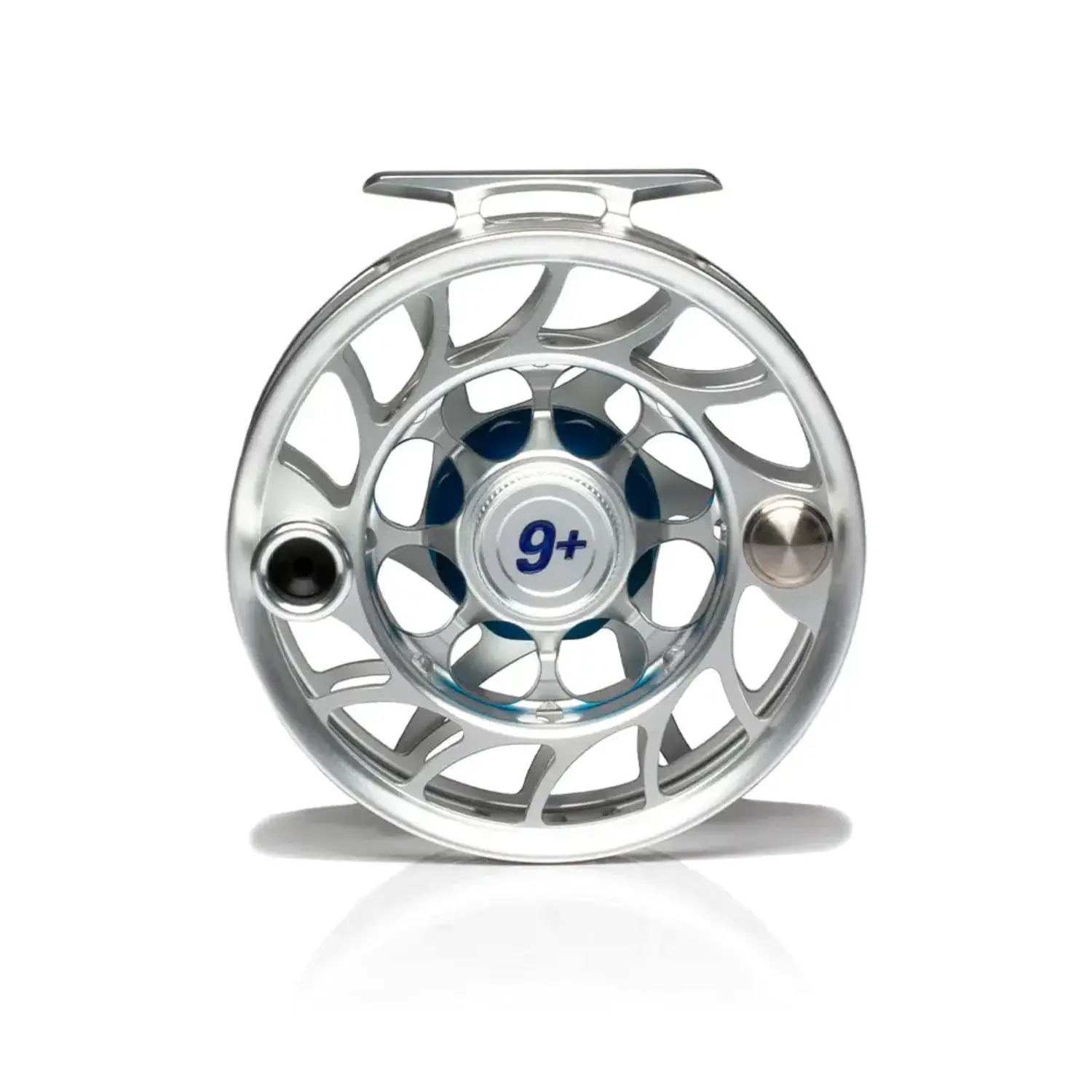
A GT reel isn’t just line storage—it’s your braking system. The best reels for giant trevally tackle have smooth, repeatable drag at high pressures and are built to resist salt intrusion.
What to Look for in a GT Reel
- Sealed drag: Keeps salt and sand out, maintains smooth startup inertia.
- High line capacity: Backing disappears fast when a GT turns on the afterburners.
- Durable frame: No flex under pressure; strong spool and hub design.
- Easy maintenance: Rinse-and-go reliability for travel.
If you’re shopping broadly, start by browsing saltwater-rated reels and focus on models with sealed drags and proven saltwater track records.
A Reel to Put on Your Shortlist
The Hatch Iconic is a popular choice among anglers who want a smooth sealed drag, strong build quality, and the kind of reliability you appreciate when the fish of the trip shows up.
Fly Lines for GTs: Match the Taper to the Job
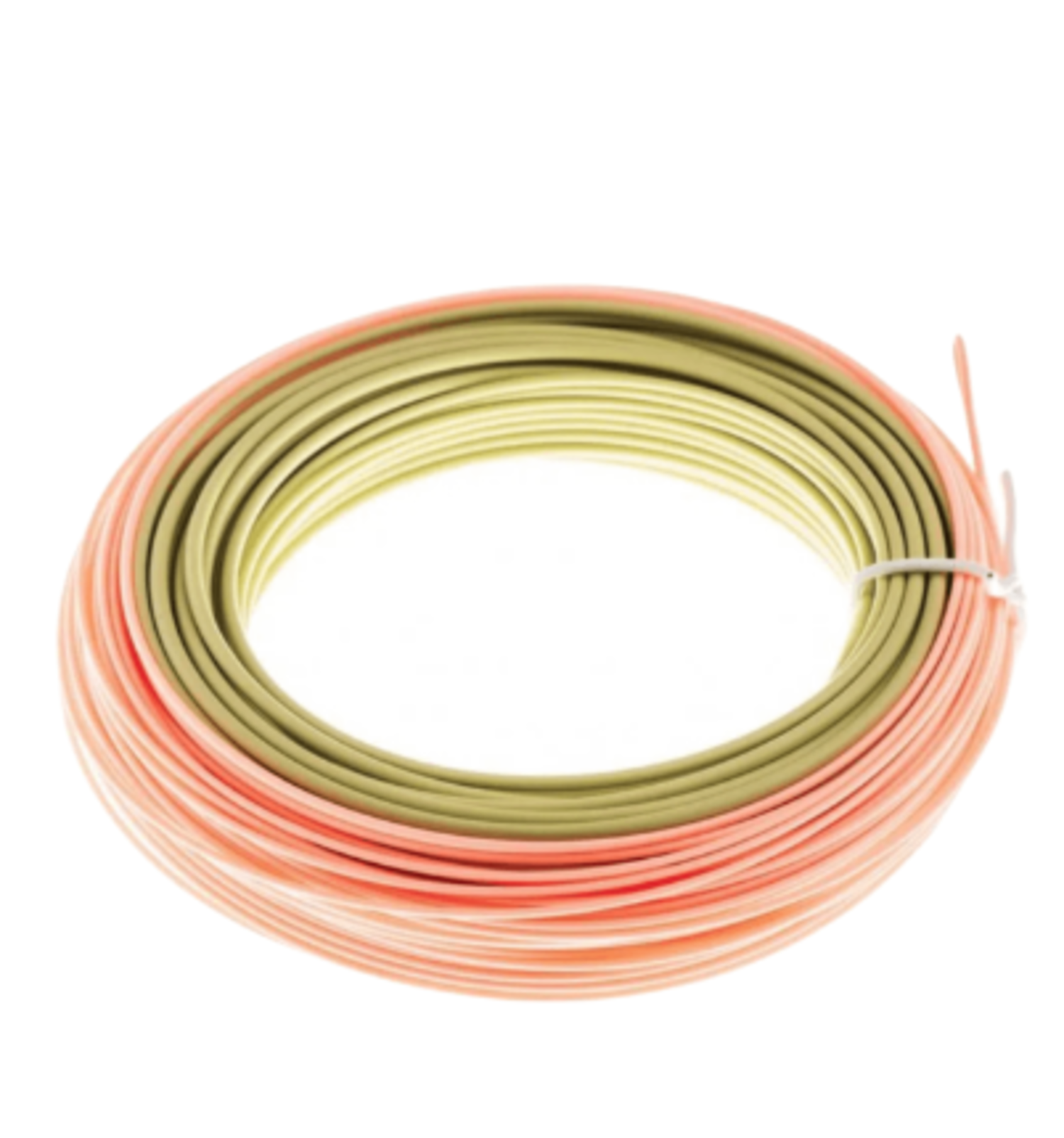
Line choice is one of the biggest “unlocks” in giant trevally fly fishing. GT lines typically feature short, aggressive heads that load fast and turn over bulky flies, even when you only have a short amount of line out on the deck.
Why a GT-Specific Line Helps
- Quick loading for short shots: GT eats can happen close and fast.
- Turns over wind-resistant flies: Bigger profiles require more mass and energy transfer.
- Better control on strips: Stable running line and head design reduce tangles.
A Proven Option
If you’re looking for a dedicated GT taper, the Rio Premier GT 550 grain is designed for powerful turnover and the kind of quick-loading performance that helps when fish appear suddenly and you need to get the fly moving immediately.
Floating vs Intermediate vs Sinking
- Floating: Most common for GTs, especially for poppers and surface/near-surface presentations.
- Intermediate: Useful when fish are sliding deeper edges or when you need a bit more connection and less surface disturbance.
- Sinking: Less common for classic GT popper-style fishing, but can have a place if you’re targeting deeper structure or mixing species.
For a first GT adventure, a floating GT taper is typically the best starting point.
Leaders, Knots, and Bite Protection: Keep It Simple and Strong
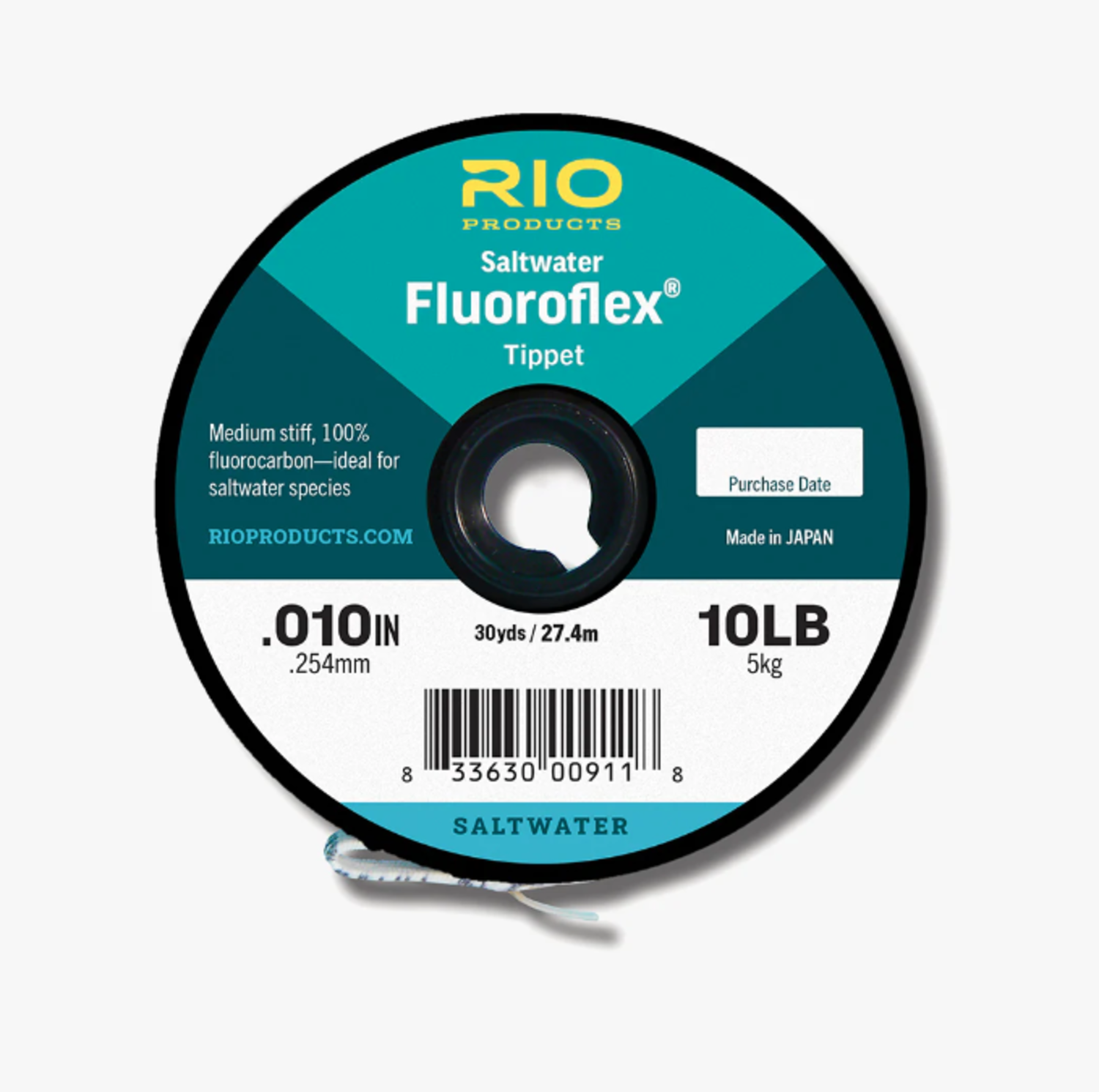
Leaders for giant trevally tackle need to resist abrasion and allow strong, clean turnover. Complexity is rarely your friend here—simple builds are easier to replace quickly in heat, wind, and pressure.
A Straightforward Leader Formula
- Butt/leader: A sturdy mono section to help turnover
- Shock tippet: Heavy abrasion-resistant mono or fluorocarbon
- Length: Shorter leaders often help turnover and control (think 6–9 feet range depending on conditions)
GT mouths aren’t “toothy” like barracuda, but coral and structure are the real problem. Prioritize abrasion resistance and check your last few feet constantly. If you feel any roughness, replace it immediately.
Knots That Belong in Your GT Toolkit
- Loop knot to the fly: Helps big flies swim and pop correctly.
- Strong line-to-leader connection: Nail knot or loop-to-loop (depending on your line/leader setup).
- Reliable leader-to-shock connection: Practice a connection knot you can tie perfectly under stress.
Whatever knots you choose, the key is consistency. A “great knot” tied poorly is worse than a “good knot” tied perfectly.
Flies for Giant Trevally Fly Fishing: What to Pack (and Why)

GT flies take punishment—from casting, from reef contact, and from the fish itself. For your first trip, bring fewer patterns but more duplicates. Durability and hook quality are non-negotiable.
Top Fly Styles for Beginners
- Poppers: For visual eats and calling fish up. Choose models that push water and track straight.
- Gurglers/Wakers: Subtle surface disturbance; great when fish won’t commit to loud pops.
- Baitfish/Brush flies: For subsurface work; bigger profiles can trigger aggressive follows into eats.
Hooks and Rigging Notes
- Use premium saltwater hooks: Heavy wire, ultra-sharp, and resistant to bending.
- Carry a hook hone: Touch up points constantly—coral dulls hooks fast.
- Consider hook orientation: Many GT flies are tied to track straight and resist fouling; test them in water if possible.
Color is often less important than profile, movement, and how confidently you can fish it. Bring a small range (light, dark, and a couple of baitfish blends) and focus on presentation.
Backing, Connections, and Line Management (Where Most First-Timers Struggle)
GTs expose weaknesses in line management. Tangled running line can cost you the fish before it reaches the reel. A clean deck routine is part of your GT fishing gear, even if it’s not “gear” in the catalog sense.
Backing Basics
- Use quality backing: Smooth, strong, and consistent diameter.
- Spool enough: You want confidence when a fish doesn’t stop at 80 feet.
- Check your backing-to-fly-line connection: It should pass smoothly and be 100% reliable.
Line Control Tips
- Use a stripping basket: Especially from shore or in wind; it reduces tangles dramatically.
- Strip with intention: Keep coils uniform and clear of feet, cleats, and deck hardware.
- Gloves help: Line burns happen fast during a sudden run.
A good habit: after every cast and strip sequence, take a half-second to ensure your running line is free before the next presentation. GT eats are often sudden; you don’t get time to fix a mess mid-run.
GT Accessories You’ll Be Glad You Packed
The “small stuff” is often what keeps your saltwater fly fishing setup functioning day after day.
- Polarized sunglasses: Spot pushes, wakes, and structure edges.
- Long-nose pliers and cutters: Heavy hooks require real leverage.
- Hook hone: Coral + sand dulls points quickly.
- Spare leaders and tippet: Pre-cut sections speed up re-rigging.
- Reel/rod cleaning kit: Freshwater rinse + soft cloth goes a long way.
- Sun protection: Buff, hat, and long sleeves for all-day exposure.
Two Sample GT Setups (Simple, Effective Starting Points)
Use these as baselines, then adjust based on your destination, boat style, and the average fish size you’re expecting.
Setup A: One-Rod “Do-It-All” Beginner Kit
- Rod: 11-weight fast-action saltwater rod
- Reel: Sealed drag, high capacity (choose from proven saltwater-rated reels)
- Line: Floating GT taper
- Leader: Short and stout with abrasion-resistant shock
- Flies: Mix of poppers + baitfish patterns (duplicates)
Setup B: Two-Rod Travel Quiver (More Comfortable and Versatile)
- Rod 1: 10/11-weight for calmer conditions and longer sessions
- Rod 2: 12-weight for wind, big flies, and big fish windows
- Reels: Matching sealed-drag models; one can be a spare
- Lines: Floating GT taper + optional intermediate
Final Pre-Trip Checklist: Don’t Leave These Steps to Chance
- Practice quick shots: 30–70 feet with minimal false casts.
- Dial your strip set: Keep the rod low; hit hard; then lift only when tight.
- Test drag settings: Smooth startup, no sticking, and learn your “max fishable” drag.
- Inspect every connection: Re-tie if anything looks questionable.
- Pack spares: Lines, leaders, flies, and basic repair items.
Shop Your GT Kit and Get Ready for the Eat
GTs make everything feel amplified—the cast, the strike, the run, and the pressure. Building the right GT fishing gear stack ahead of time means you’ll spend your trip making quality presentations instead of troubleshooting failures.
Ready to put your kit together? Start with the giant trevally gear collection, then choose a rod like the Scott Sector or Sage R8 Salt, pair it with a dependable sealed-drag reel such as the Hatch Iconic, and match it with a purpose-built line like the Rio Premier GT 550 grain. If you want more reel options, browse the full lineup of saltwater-rated reels and build a system you trust when the fish of a lifetime shows up.
Call to action: Gear up now, practice your quick shots, and hit the flats confident—because the first time a giant trevally detonates on your fly, you won’t get a do-over.
Recent articles
View all
Layering for Spring Fishing: How to Dress for 40°F Mornings and 70°F Afternoons
5 Essential Fly Patterns for Spring Trout in the Southeast