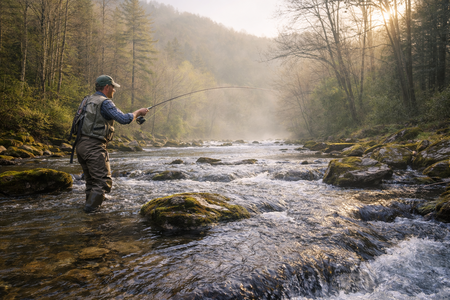
How to Choose Fly Fishing Waders: The Complete Buyer's Guide for Trout and Saltwater Anglers
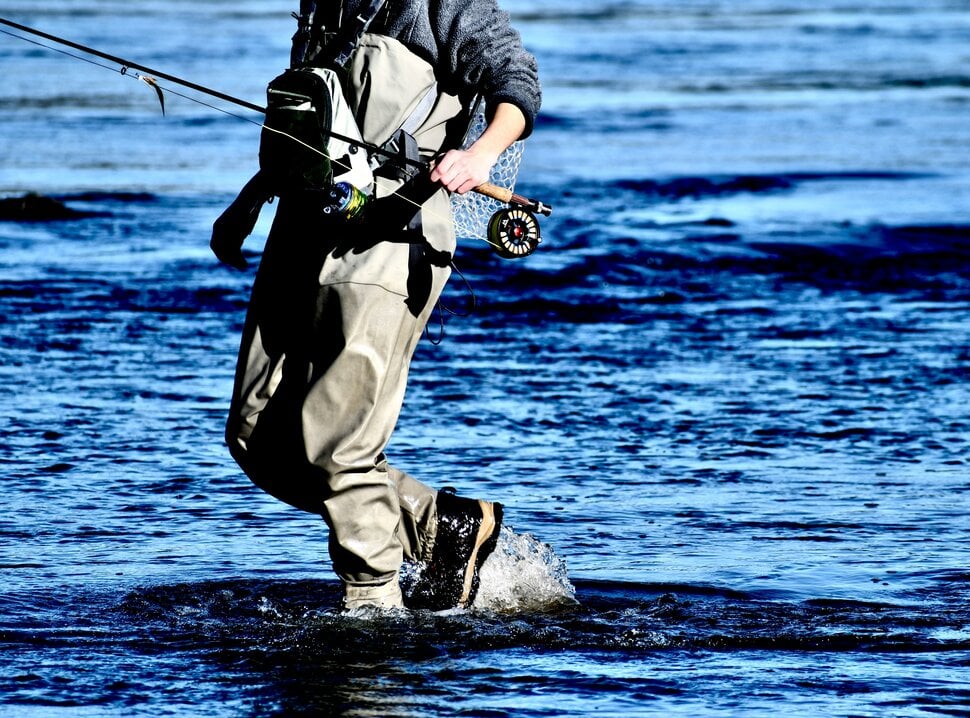
Getting the right pair of waders can be the difference between a comfortable, all-day session and a cold, distracting slog back to the truck. In this How to Choose Fly Fishing Waders: The Complete Buyer's Guide for Trout and Saltwater Anglers, we’ll break down fit, materials, bootie styles, durability, and features so you can confidently narrow the field to the best waders for fly fishing—whether you’re wading spring creeks for trout or stalking flats species in the salt. If you’ve been searching for a practical waders buying guide focused on real-world conditions, start here.
To browse current options while you read, check out our Waders collection.
Why Waders Matter (Trout Rivers vs. Saltwater Flats)
Waders aren’t just “waterproof pants.” They’re a system that affects your warmth, mobility, safety, and how long you can stay focused on the fish. The “right” choice depends heavily on where and how you fish.
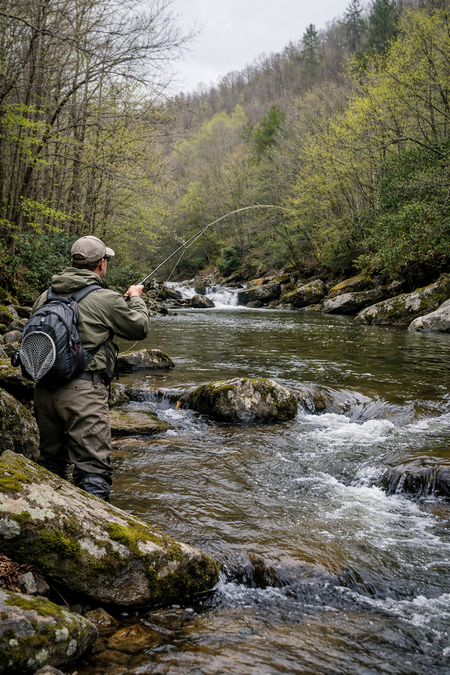
- Trout rivers: You may be standing in cold current for hours, kneeling on gravel bars, climbing steep banks, and bushwhacking through willows. Warmth, durability, and range of motion matter.
- Saltwater: Flats and estuaries often mean long walks, heat and humidity, abrasive sand, shell, and exposure to salt. Breathability, corrosion-resistant hardware, and puncture resistance become priorities.
- Safety: Proper fit and wader belt use help reduce risk if you slip. Good traction and compatible boots are part of the wader decision, too.
Step 1: Decide Between Breathable vs. Neoprene Waders

Most anglers today default to breathable waders—and for good reason. But neoprene still has a place. Here’s how to choose fly fishing waders by matching material to conditions.
Breathable Waders (Most Versatile)
Breathables use multi-layer laminates (often 3–5 layers) that block water while allowing moisture vapor to escape. They’re typically the best all-around option for trout and even many saltwater applications.
- Pros: Wide temperature range, lighter weight, better comfort while hiking, easier layering, dries faster.
- Cons: Can feel chilly without proper layering in very cold water, premium models cost more.
- Best for: Most trout anglers, shoulder seasons, travel, and long walk-and-wade days.
Neoprene Waders (Warmth-Focused)
Neoprene insulates by trapping water and/or air, which can be excellent for near-freezing water, but it’s heavier and less breathable.
- Pros: Warm, often less expensive, great for very cold conditions.
- Cons: Sweaty during hikes, heavy when wet, less packable, can feel restrictive.
- Best for: Winter steelhead, very cold tailwaters, short walks where warmth matters most.
Step 2: Choose the Right Style—Stockingfoot vs. Bootfoot
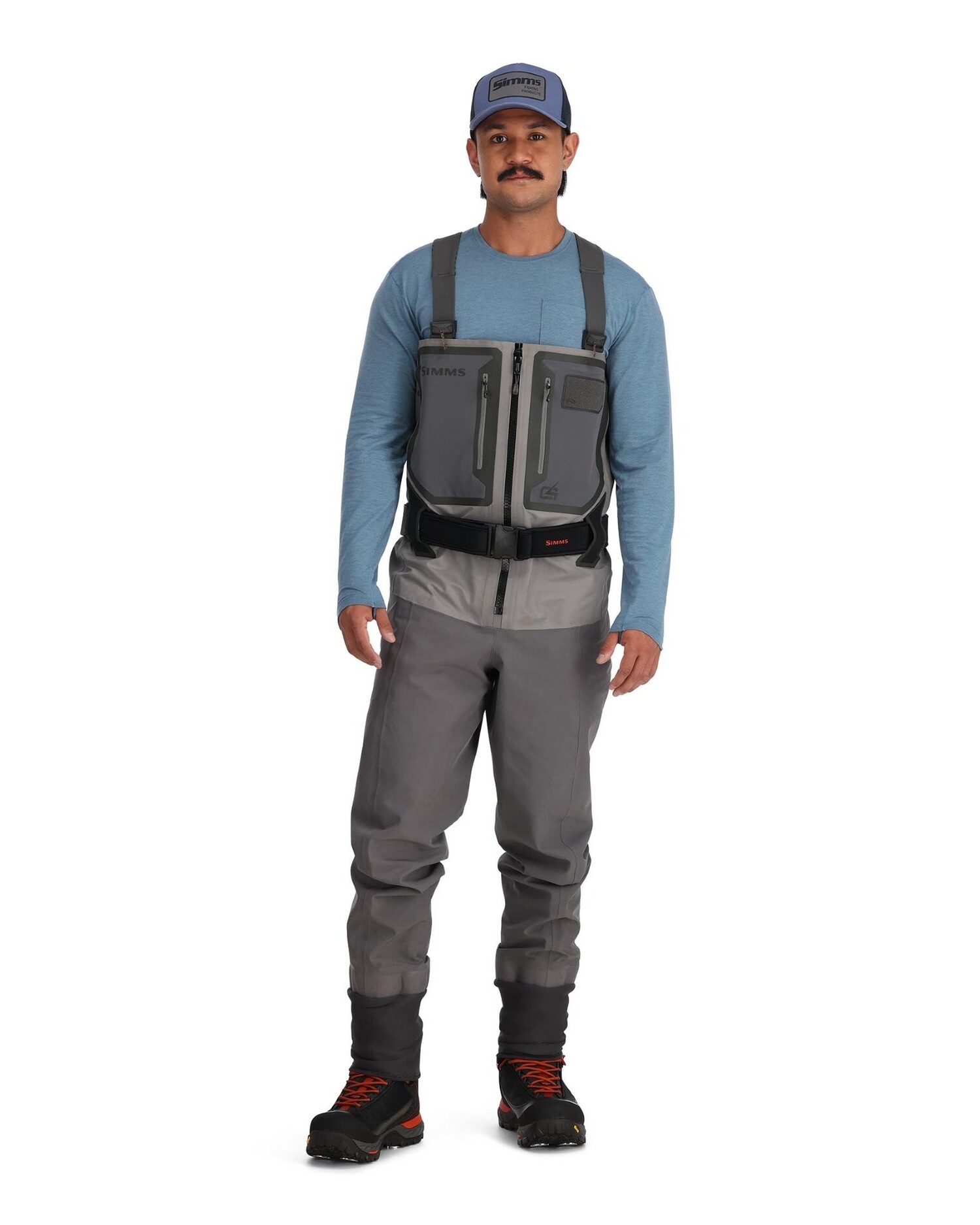
This is one of the biggest forks in any waders buying guide. The two main categories are stockingfoot waders and bootfoot waders, and your decision affects comfort, traction, and versatility.
Stockingfoot Waders (Most Popular)
Stockingfoot waders have a built-in neoprene bootie that slips into separate wading boots. This is the most common choice for fly fishing because it allows you to pick boots matched to your terrain.
- Why anglers love them: Better boot support, better traction options, easier to replace boots than waders, and excellent for long hikes.
- Great for: Most trout rivers and many saltwater scenarios.
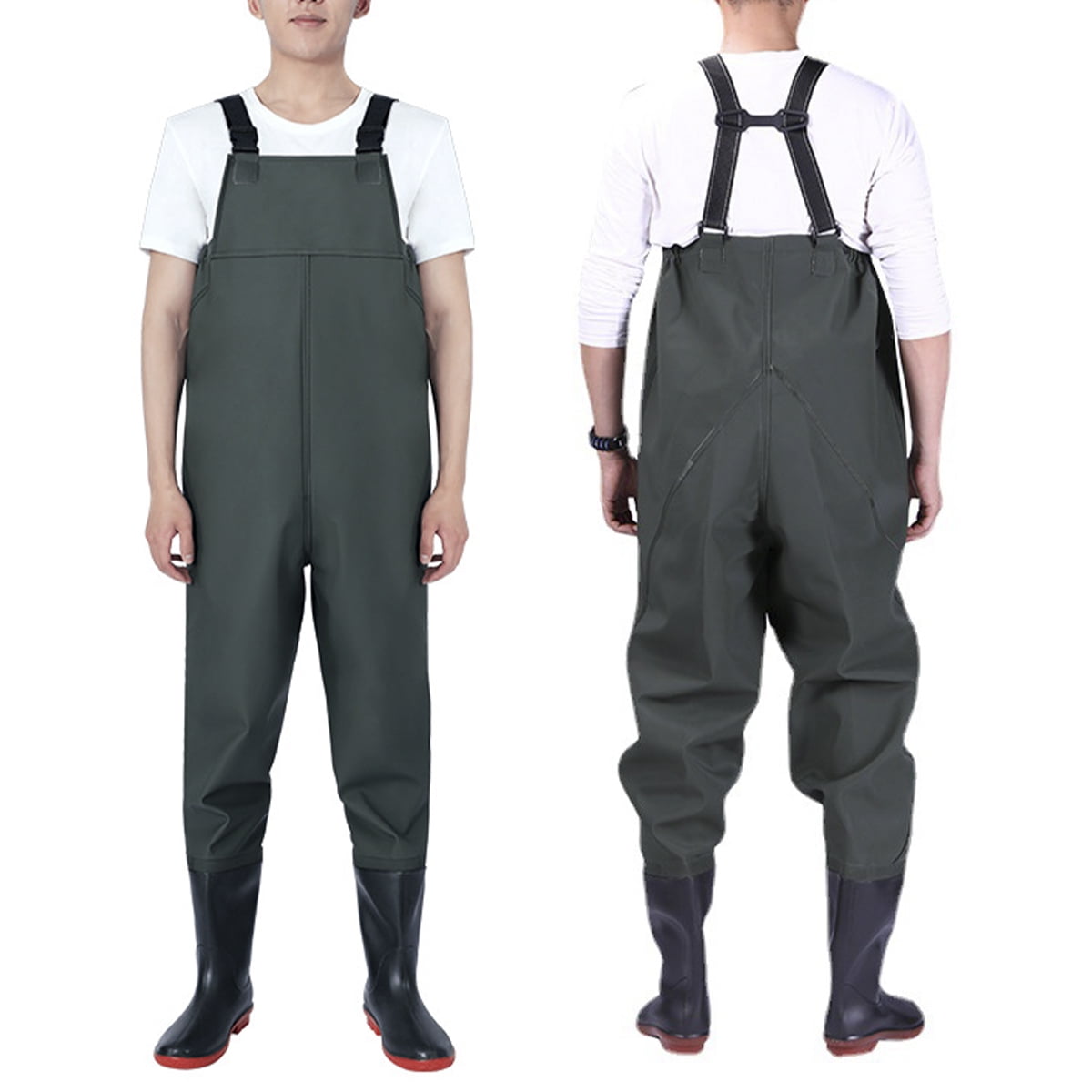
Bootfoot Waders (Convenience-First)
Bootfoot waders have integrated boots. They’re quick to put on and can be a good fit for certain cold-weather or boat-focused anglers.
- Pros: Fast on/off, no separate boots, often warmer in cold water.
- Cons: Heavier, harder to pack, boot wear can end the waders, fewer traction choices.
- Best for: Short walk-ins, boat fishing, cold-weather convenience.
Step 3: Fit Is Everything—Sizing, Mobility, and Layering

If you’re trying to find the best waders for fly fishing, fit should be your top priority. Even expensive waders won’t feel good (or last) if they bind, sag, or force awkward movement.
How Waders Should Fit
- Comfortable reach and bend: You should be able to step high, kneel, and sit without the crotch pulling tight.
- No excessive bagginess: Too much fabric can snag on brush, catch wind, and increase wear points.
- Room to layer: For trout fishing, you’ll likely add fleece or insulated layers under breathables in cold water.
- Proper bootie fit: Too small constricts circulation; too large bunches and can cause blisters.
Pro Tip: Think in Systems
Many comfort complaints aren’t about the wader itself—they’re about mismatched layering, socks, or boot sizing. When you size stockingfoot waders, plan for:
- Thin liner sock + wading sock (or heavier merino) depending on season
- Wading boots sized appropriately for the neoprene bootie and sock thickness
- Base layer + mid layer for cold trout water (breathables rely on your layering)
Step 4: Durability and Denier—What Actually Holds Up?
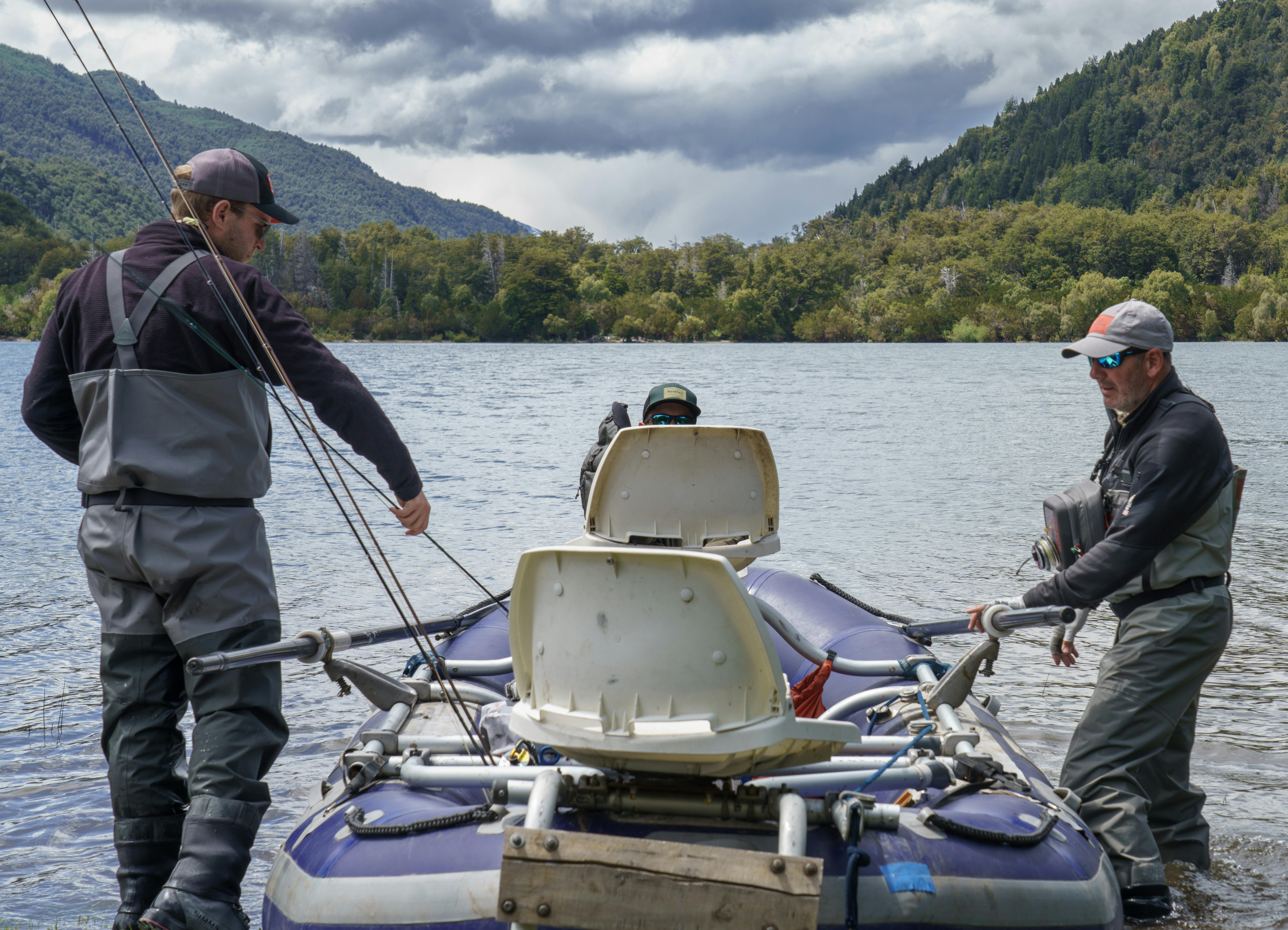
Durability is where marketing terms can get confusing. Denier (D) is one indicator of fabric thickness, but seam construction, reinforcement placement, and overall patterning can matter just as much.
What to Look For
- Higher denier in high-wear zones: Lower legs, knees, and seat take the most abuse on rocks and gravel.
- Articulated knees and gusseted crotch: These reduce stress on seams when stepping and climbing.
- Quality seam taping: Cleaner interior finishing generally means fewer leak points over time.
- Gravel guards: Built-in guards help keep sand and gravel out of your boots (big comfort and longevity boost).
Trout vs. Saltwater Durability Priorities
- Trout rivers: Abrasion resistance and puncture resistance matter most—especially if you scramble over boulders or fish tight brushy banks.
- Saltwater: Abrasion from sand and shell + salt exposure. Look for corrosion-resistant hardware and fabrics that won’t feel like a sauna during long walks.
Step 5: Key Features That Make a Real Difference
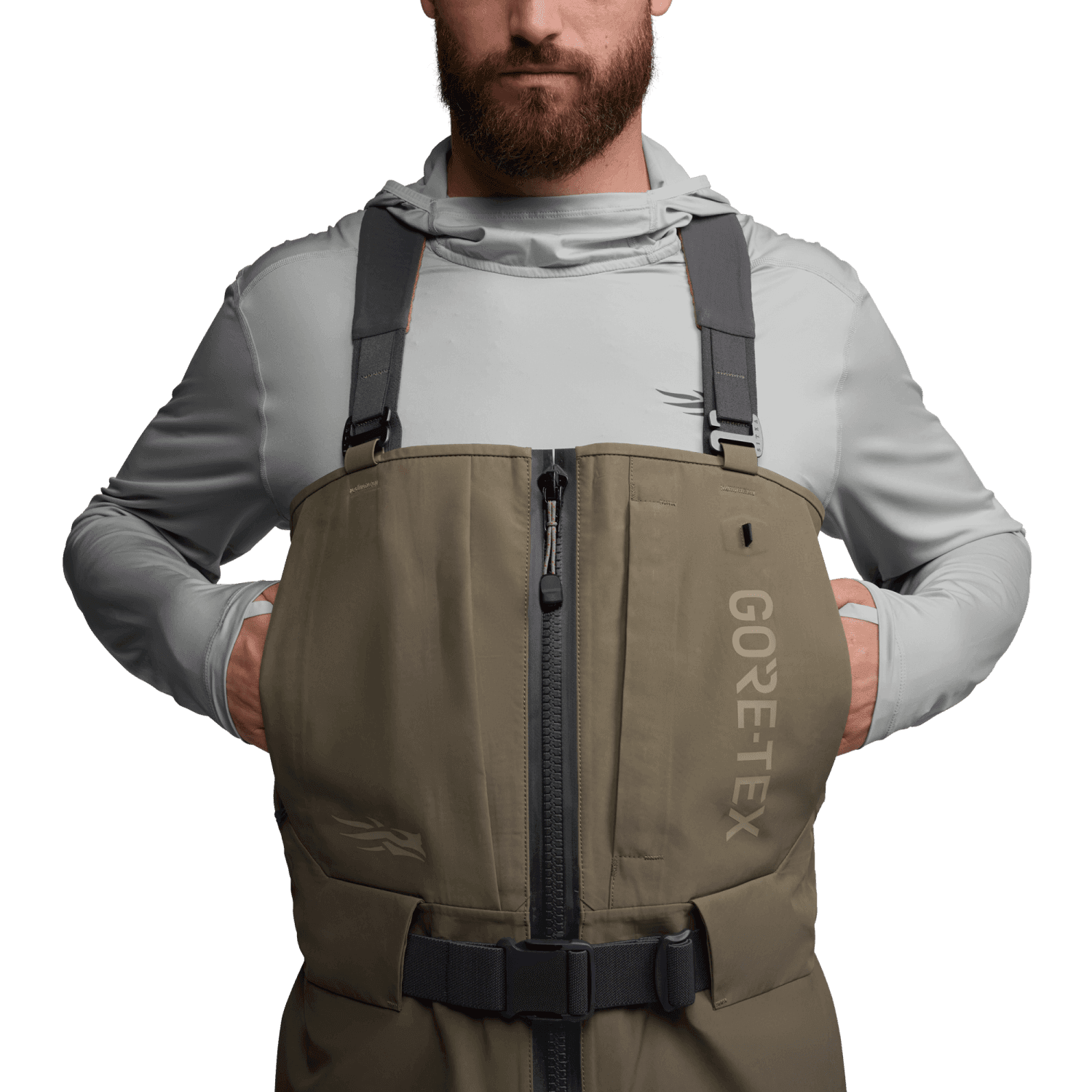
Once you’ve nailed material, style, and fit, features help you refine your choice. Here are the add-ons that truly matter on the water.
Zipper Front vs. Non-Zip
- Zipper waders: More convenient for quick breaks and easier on/off. Often found on premium models.
- Non-zip waders: Simpler and typically more affordable, fewer components to maintain.
Pocket Layout and Storage
- Chest pockets: Great for fly boxes, tippet, and leaders.
- Handwarmer pockets: Valuable for cold trout mornings.
- Internal flip-out pocket: Handy for phones and licenses (use a waterproof case regardless).
Suspender and Belt System
- Comfort suspenders: Reduce shoulder fatigue on long days.
- Wading belt: Essential for safety—wear it snug to reduce water entry if you fall.
Recommended Wader Tiers: Budget to Premium (Real-World Picks)
Different anglers need different tools. Below is a simple way to match your budget and fishing frequency to a good category—and a few proven stockingfoot options to consider.
Entry-Level / Value (Occasional Use, Great Start)
If you fish a handful of times a season or you’re building your kit, a solid value pair gets you into the water without overspending.
- Simms Freestone Stockingfoot — A dependable option for anglers who want reputable construction and comfort at a more approachable price point.
Guide-Grade / Frequent Use (Best Balance for Many Anglers)
If you fish often—especially on rocky rivers—stepping up in durability and build quality usually pays off long-term.
- Simms G3 Guide Stockingfoot — A workhorse choice for anglers who need toughness, mobility, and day-in/day-out reliability.
Premium / Maximum Performance (Hard Use, Long Seasons)
For anglers who spend serious time on the water, premium waders can deliver better comfort, better patterning, and premium features—often including a front zip.
- Simms G4Z Stockingfoot Waders — A top-tier choice when you want premium materials, excellent mobility, and zip-front convenience for long days and travel.
Trout-Specific Buying Advice (Cold Water, Rocks, and Long Days)
Trout anglers often face cold water, slippery substrates, and lots of time standing in current. Here’s how to choose fly fishing waders for typical trout scenarios:
- Prioritize breathability + layering: Breathable waders paired with smart base/mid layers handle a wider range of days than heavy neoprene for most trout seasons.
- Look for reinforced lower legs: Rivers chew up shins and ankles with rocks and gravel.
- Don’t overlook mobility: A gusseted crotch and articulated knees reduce fatigue and seam stress when scrambling and wading.
- Plan for wading boots: Stockingfoot systems shine here—choose boots for traction (felt or rubber depending on regulations and terrain).
Saltwater-Specific Buying Advice (Heat, Sand, Shell, and Corrosion)
Saltwater wading is a different animal. Heat management, walking comfort, and gear longevity under salt exposure matter more than pure insulation.
- Choose breathable waders for comfort: In warm climates, breathability is often the make-or-break factor for staying focused and hydrated.
- Think abrasion and puncture resistance: Shell, coral, and barnacle-covered structure can be unforgiving.
- Rinse after every trip: Salt shortens the life of zippers, buckles, and fabric coatings—freshwater rinse and air dry inside-out.
- Minimize metal corrosion: Quality hardware helps, but maintenance is key.
Care and Maintenance: Make Your Waders Last Longer
No matter which model you buy, maintenance impacts lifespan. These simple habits help prevent leaks and extend performance.
- Rinse and dry: Rinse mud/sand/salt off, then dry thoroughly (inside-out first, then outside-out).
- Avoid heat: Don’t store near heaters or in a hot trunk for extended periods—heat can damage seam tape and laminates.
- Store loosely: Hang or lay flat; don’t keep them crammed and creased.
- Check and patch early: Small pinholes become big problems. Patch kits are cheap; downtime is expensive.
- Use a wading belt: It’s safety equipment and reduces stress on suspenders by improving fit.
Quick Checklist: How to Choose Fly Fishing Waders in 60 Seconds
- Material: Choose breathable waders for most trout/salt; neoprene for extreme cold.
- Style: Pick stockingfoot waders if you want the best traction and boot versatility.
- Fit: Prioritize mobility and room to layer—no binding, no excessive bagginess.
- Durability: Reinforced legs/knees/seat if you fish rocky rivers or abrasive flats.
- Features: Consider zip-front convenience, pocket layout, and comfort suspenders.
- Maintenance: Rinse, dry, store properly, and patch early.
Shop Waders and Build Your Full Wading Setup

Choosing the right pair is a big step—but the most comfortable (and safest) days come from a complete system: waders, boots, belts, layers, and accessories matched to your water and season. Browse our full lineup of Waders, and round out your kit with complete wading gear for trout rivers and saltwater alike.
Call to action: Ready to upgrade your comfort and confidence on the water? Shop now, and if you’re torn between options, choose your fishing conditions (trout vs. salt), your season, and your budget—then pick the wader tier that fits your reality and fish longer with fewer distractions.
Recent articles
View all
Layering for Spring Fishing: How to Dress for 40°F Mornings and 70°F Afternoons
5 Essential Fly Patterns for Spring Trout in the Southeast