
How to Choose the Right Fly Line Weight for Your Target Species
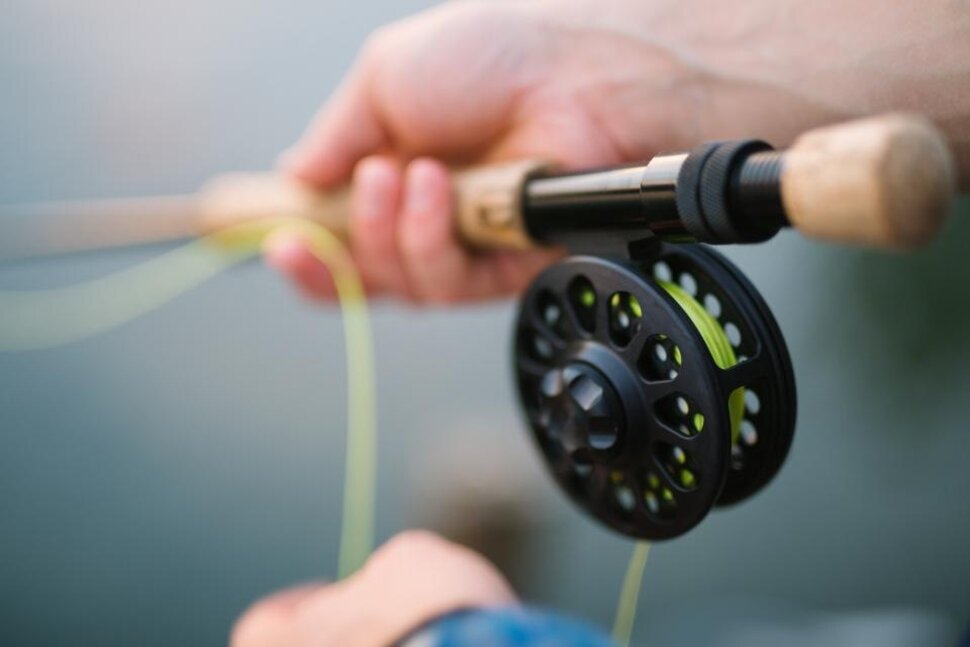
Selecting the appropriate fly line weight stands as one of the most fundamental yet frequently misunderstood decisions in fly fishing. While fly rods receive most of the attention and glory, the fly line weight you choose directly determines your casting performance, presentation quality, and ultimately your success in hooking and landing fish. Unlike conventional fishing where lure weight drives rod selection, fly fishing reverses this relationship—the fly line's weight loads the rod, and that line weight must match both your rod and the fishing situations you'll encounter.
Understanding how fly line weights correspond to different species, fly sizes, and fishing conditions empowers you to build versatile setups that perform optimally across your favorite waters. This comprehensive guide explores the fly line weight system, examines which weights suit specific target species, and provides practical guidance for selecting line weights that match your fishing style and the fish you pursue most frequently.
Understanding the Fly Line Weight System
The Numbering System Explained
Fly lines are classified by weight on a scale from 1 to 15, with lower numbers representing lighter lines and higher numbers indicating heavier lines. This standardized system, established by the American Fishing Tackle Manufacturers Association (AFTMA), ensures consistency across manufacturers—a 5-weight line from one brand matches a 5-weight from another, allowing anglers to pair rods and lines confidently regardless of brand combinations.
The weight designation refers to the first 30 feet of fly line (excluding the level tip), measured in grains. A 5-weight line weighs approximately 140 grains in that first 30 feet, while a 9-weight weighs around 280 grains. This standardization means when you purchase a 6-weight rod, you pair it with a 6-weight line, creating balanced systems where the line's weight properly loads (bends) the rod during casting.
How Line Weight Affects Performance
Lighter line weights (1-4) deliver delicate presentations perfect for spooky fish and small flies but sacrifice casting distance and wind-fighting capability. Mid-range weights (5-7) provide versatility suitable for diverse fishing situations, handling varied fly sizes and moderate wind conditions. Heavy line weights (8-12+) power large flies through wind and turn over heavy leaders but lack the delicacy needed for selective fish in calm conditions.
The line weight also determines what fly sizes you can effectively cast. Lighter weights struggle to carry large, wind-resistant flies, while heavy weights overpower tiny flies, creating splashy presentations that spook fish. Matching line weight to typical fly sizes ensures efficient energy transfer from casting stroke through line to fly, producing accurate, controlled presentations.

Trout Fishing: Line Weights 3-6
Small Stream and Spring Creek Trout (3-4 Weight)
For technical trout fishing in small streams, spring creeks, and situations requiring delicate presentations, 3-weight and 4-weight lines excel. These lighter weights allow you to present tiny dry flies (sizes 18-24) with minimal disturbance, critical when targeting selective trout in clear, calm water. The light line creates gentle presentations that don't spook wary fish, while still providing sufficient backbone for fighting trout in the 8-15 inch range typical of small water fisheries.
Three-weight setups are ideal for anglers who prioritize finesse and enjoy the challenge of ultra-light tackle. The lighter line showcases the fight in smaller trout, making 10-inch fish feel substantial. However, 3-weights struggle in wind and lack the power to handle larger trout or bigger flies effectively. Four-weight lines offer slightly more versatility while maintaining delicate presentation capabilities—a good compromise for anglers who fish varied small water scenarios.
All-Around Trout Fishing (5-6 Weight)
The 5-weight line weight has earned its reputation as the quintessential all-around trout setup, and for good reason. This weight handles dry flies from size 10 to 20, nymphs and streamers up to size 8, and provides sufficient power for fighting trout in the 12-20 inch range while maintaining delicate enough presentations for most situations. Five-weights cast comfortably at distances from 20 to 60 feet—the range covering most trout fishing scenarios—and handle moderate wind without excessive difficulty.
Six-weight lines extend versatility into larger water, bigger fish, and heavier flies. They excel for streamer fishing, handling weighted flies and sink tips that would overpower lighter weights. Six-weights also provide the backbone necessary for fighting larger trout (18-24+ inches) and the power to extract fish from strong currents or heavy cover. For anglers who regularly fish varied trout water—from small streams to large rivers—a 6-weight offers maximum versatility without excessive specialization.
Many experienced trout anglers maintain both a 5-weight for general fishing and a 3 or 4-weight for technical situations, creating a two-rod trout system covering virtually all scenarios they'll encounter.
Bass Fishing: Line Weights 6-8
Smallmouth Bass (6-7 Weight)
Smallmouth bass in rivers and lakes respond well to 6-weight and 7-weight setups. These weights handle the poppers, divers, and streamers (sizes 2-8) effective for smallmouth while providing sufficient power to fight these aggressive fish in current or near cover. Six-weights work perfectly for smaller rivers and calm lakes where casting distances remain moderate, while 7-weights excel for larger waters requiring longer casts and for handling bigger smallmouth in the 3-5 pound range.
The power of 6-7 weight lines also proves valuable when fighting smallmouth near structure—rocks, logs, and vegetation where these fish live. You need sufficient backbone to prevent fish from wrapping you around obstacles, and these mid-weight lines provide that control without the excessive power that might break light tippets during aggressive fights.
Largemouth Bass (7-8 Weight)
Largemouth bass fishing typically involves larger flies—big poppers, mouse patterns, and substantial streamers—requiring heavier line weights to cast effectively. Seven-weight and 8-weight lines turn over these wind-resistant flies efficiently while providing the power necessary for extracting hard-fighting largemouth from lily pads, grass, and timber.
Eight-weight setups particularly shine for heavy cover fishing where you need to muscle fish away from snags quickly. The heavier line allows aggressive fighting tactics necessary when targeting largemouth in their typical habitat. These weights also handle the shock tippets and heavy leaders often used for bass fishing, where abrasion resistance matters more than delicate presentation.
Saltwater Species: Line Weights 8-12+
Redfish and Speckled Trout (7-9 Weight)
Inshore saltwater fishing for redfish and speckled trout typically employs 7-weight through 9-weight lines, with 8-weight representing the most versatile choice. These weights cast the baitfish patterns, shrimp imitations, and crab flies (sizes 2-2/0) effective for these species while handling the wind conditions typical of coastal fishing.
Eight-weight lines provide sufficient power for fighting 20-30 inch redfish in shallow water while maintaining enough finesse for spooky fish on calm flats. The line weight also handles the leader systems used in flats fishing—9-12 foot leaders with 15-20 pound tippets—ensuring proper turnover and presentation in challenging conditions.
Nine-weight setups extend capabilities into windier conditions and larger fish, particularly when targeting bull reds (over-slot fish) or fishing deeper water with sinking lines.
Bonefish (7-8 Weight)
Bonefish represent the quintessential flats fishing challenge, and most anglers target them with 7-weight or 8-weight lines. Eight-weight has become the standard for bonefish, providing the perfect balance of delicate presentation for spooky fish in shallow water and sufficient power for fighting bonefish that make blazing runs into backing.
The line weight also handles the long casts often necessary when pursuing bonefish on expansive flats. You might need to cast 60-80 feet quickly when fish appear, and 8-weight lines deliver that distance without requiring exceptional casting skill. The weight also manages wind—a constant challenge in tropical destinations—while turning over the longer leaders (9-12 feet) bonefish fishing demands.
Striped Bass (9-10 Weight)
Striped bass fishing requires heavier line weights capable of casting large flies long distances in often windy conditions. Nine-weight and 10-weight lines handle the substantial baitfish imitations, poppers, and streamers (sizes 2/0-4/0) effective for stripers while providing the power necessary for fighting fish that range from schoolies to 20-40+ pound trophies.
Ten-weight setups excel for surf fishing and fishing from boats where long casts into wind are routine. The heavy line cuts through wind efficiently while maintaining energy transfer to turn over large, air-resistant flies. The power also proves essential when fighting big stripers in current or attempting to keep them away from structure.
Tarpon (10-12 Weight)
Tarpon fishing represents the heavy end of most anglers' experience, typically requiring 10-weight through 12-weight lines depending on the size of fish targeted. Fishing for juvenile tarpon (10-40 pounds) works well with 10-weight setups, while serious adult tarpon fishing demands 11-weight or 12-weight lines capable of casting large flies and providing the backbone necessary for fighting 80-150+ pound fish.
The extreme power of these heavy weights is essential for setting hooks in tarpon's bony mouths and for applying sufficient pressure during extended fights. Tarpon battles often last 30 minutes to over an hour, and the heavy line weight ensures you can apply consistent pressure without exhausting yourself or breaking off.
Specialty Situations and Species
Panfish and Small Species (2-4 Weight)
Bluegill, crappie, and other panfish provide excellent sport on light fly tackle. Two-weight through 4-weight lines match the small flies (sizes 10-16) and close-range fishing typical of panfish scenarios. The light tackle amplifies the fight in these smaller species, making even hand-sized bluegill exciting on appropriate equipment.
Pike and Musky (9-10 Weight)
Northern pike and musky fishing requires heavy line weights similar to saltwater fishing—typically 9-weight or 10-weight lines capable of casting the large, heavy flies these toothy predators prefer. The heavy line also provides power for fighting aggressive fish that thrash violently and make sudden runs.
Steelhead and Salmon (7-9 Weight)
Anadromous fish like steelhead and salmon typically require 7-weight through 9-weight lines depending on fishing method and fish size. Swinging flies for steelhead works well with 7-weight or 8-weight lines, while fishing for large king salmon might demand 9-weight or even 10-weight power.
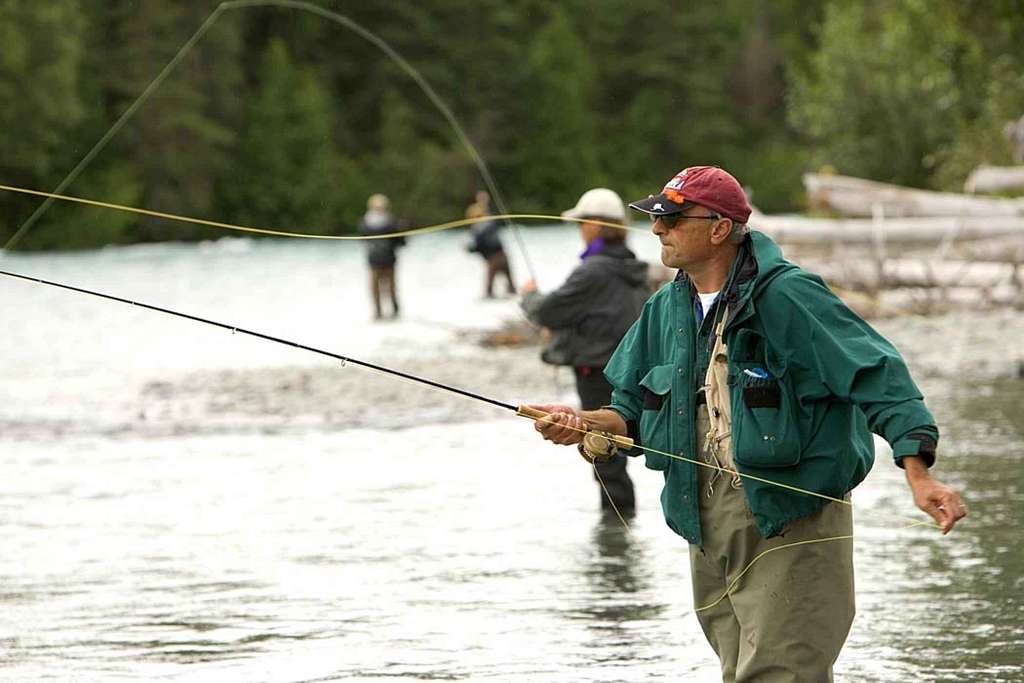
Factors Beyond Species Affecting Line Weight Choice
Fly Size Considerations
The flies you typically fish significantly influence appropriate line weight. As a general rule:
- Line Weights 3-4: Flies size 12-20 (small dries, nymphs, and emergers)
- Line Weights 5-6: Flies size 6-16 (standard dries, nymphs, small streamers)
- Line Weights 7-8: Flies size 2-10 (larger streamers, poppers, and nymphs)
- Line Weights 9-12: Flies size 2/0-8 (large saltwater patterns and streamers)
Attempting to cast flies significantly larger or smaller than these ranges produces poor results—insufficient line weight fails to turn over large flies, while excessive weight overpowers small flies.
Wind Conditions
Consistent wind demands heavier line weights than calm conditions. If you regularly fish windy environments, consider one line weight heavier than species size alone would suggest. The additional weight cuts through wind more effectively, maintaining casting efficiency and presentation quality when lighter weights would struggle.
Casting Distance Requirements
Longer casting distances favor heavier line weights that carry energy further and fight wind better. If your typical fishing requires casts beyond 50-60 feet, consider heavier lines within the appropriate range for your target species. Conversely, if you primarily fish at close range (under 40 feet), lighter weights within the species range provide better control and delicate presentations.
Building a Versatile Line Weight Arsenal
The One-Rod Angler
If budget or storage limits you to a single fly fishing setup, choose based on your most frequent fishing. For trout-focused anglers, a 5-weight provides maximum versatility. Bass and light inshore anglers benefit most from 7-weight or 8-weight lines. Serious saltwater anglers might choose 9-weight as their do-everything option.
The Two-Rod System
Two complementary line weights cover most anglers' needs efficiently:
Trout Anglers: 4-weight for technical fishing, 6-weight for general use and larger water Warmwater Anglers: 6-weight for panfish and small bass, 8-weight for serious bass fishing Saltwater Anglers: 8-weight for inshore species, 10-weight for larger fish and windier conditions
The Three-Rod Arsenal
Three line weights create comprehensive coverage:
Trout Focus: 3-weight (small streams), 5-weight (general trout), 7-weight (large trout, steelhead, small bass) Versatile Freshwater: 4-weight (panfish, small trout), 6-weight (trout, smallmouth), 8-weight (bass, pike) Saltwater Oriented: 7-weight (light inshore), 9-weight (general saltwater), 11-weight (tarpon, large species)
Making Your Selection
When choosing fly line weight, honestly assess your primary fishing situations. Don't let aspirational fishing goals override practical reality—if you fish small streams 90% of the time with occasional larger river trips, prioritize small stream effectiveness with lighter weight rather than compromising frequent fishing for occasional versatility.
Test different line weights when possible through demo days, rental programs, or borrowing friends' equipment. Hands-on experience reveals how different weights feel during casting and fighting fish, helping you determine which weight balances power and delicacy appropriately for your preferences and fishing style.

Conclusion
Selecting the right fly line weight for your target species transforms your fly fishing effectiveness, providing the precise tool for your specific fishing challenges. From delicate 3-weight presentations to spooky spring creek trout to powerful 10-weight lines turning over massive flies for stripers and tarpon, matching line weight to species, fly size, and conditions ensures optimal performance on the water.
Understanding these fundamentals empowers you to build efficient fly line arsenals that cover your fishing without unnecessary redundancy or gaps. Whether you're starting your first complete fly fishing setup or expanding an existing collection, choosing appropriate line weights ensures every fishing session benefits from properly matched equipment engineered for success.
Ready to find the perfect fly line weight for your target species? Explore our comprehensive collection of fly lines featuring premium options from Scientific Anglers, Rio, and Cortland in every weight from delicate 3-weights to powerful 12-weights and beyond. With expert guidance and industry-leading selection, The Fish Hawk helps you match line weights to your fishing for maximum performance, enjoyment, and success on the water.
Recent articles
View all
Layering for Spring Fishing: How to Dress for 40°F Mornings and 70°F Afternoons
5 Essential Fly Patterns for Spring Trout in the Southeast