
How to Choose the Right Wading Boot Size: A Fitting Guide
Getting the right wading boot size is one of the most critical decisions you'll make as an angler. Unlike regular footwear, wading boots need to accommodate stockingfoot waders, thick socks, and varying water temperatures while providing stability on slippery riverbeds. Choose too small, and you'll face painful blisters and restricted circulation. Go too large, and you'll sacrifice stability, risking dangerous slips and ankle injuries.
This comprehensive fitting guide will walk you through everything you need to know about sizing wading boots correctly, from understanding manufacturer sizing systems to performing in-store fit tests that ensure your boots perform flawlessly on the water.
Why Wading Boot Sizing Is Different (And Critical)
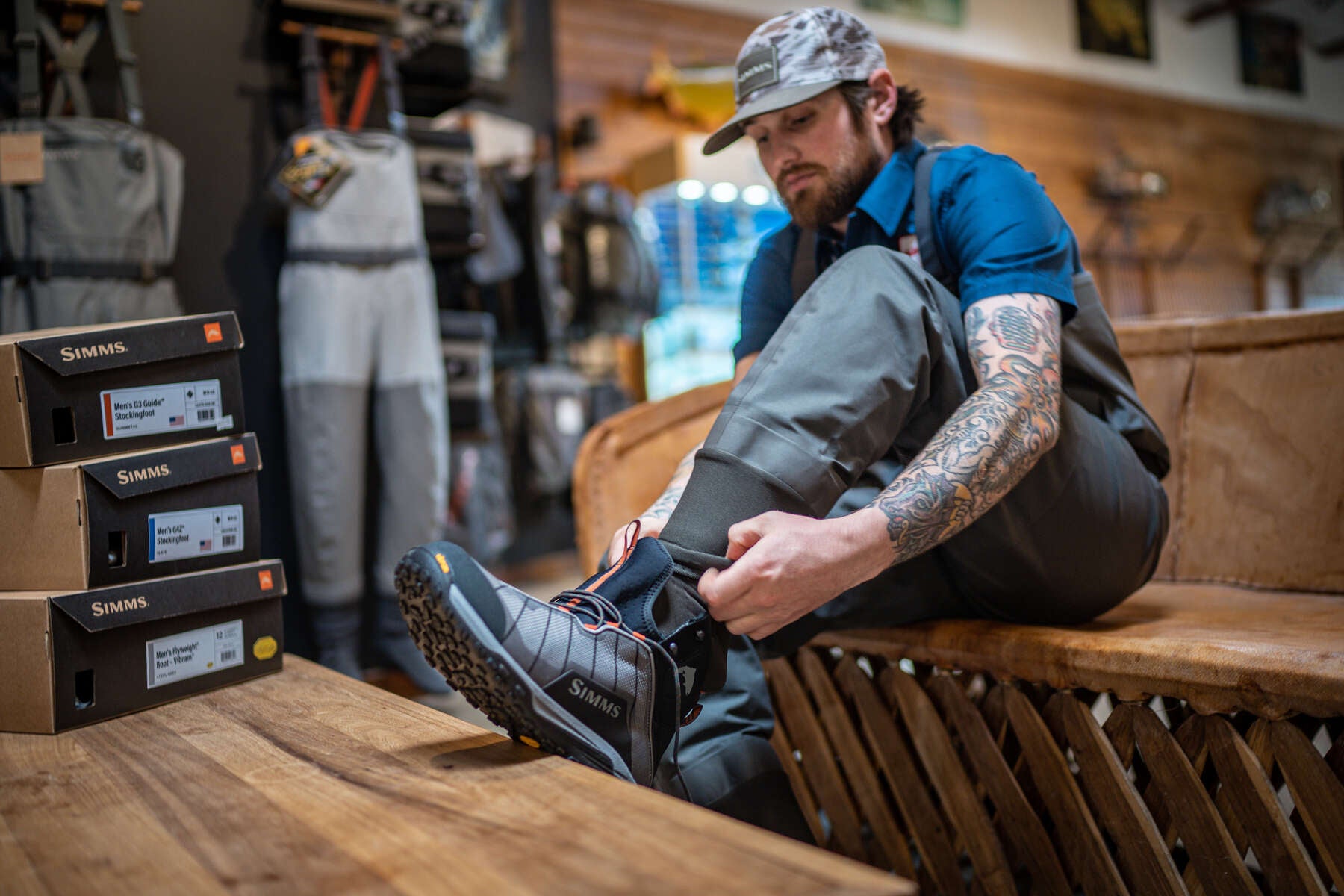
Wading boots aren't just waterproof hiking boots—they're specialized footwear engineered to work as a system with your stockingfoot waders. This unique relationship creates sizing challenges that catch even experienced anglers off guard.
The Stockingfoot Factor
When you wear wading boots, your foot isn't going directly into the boot. Instead, you're wearing:
- Your bare foot
- Moisture-wicking socks (thin liner and/or thick wool)
- Neoprene stockingfoot from your waders
- The wading boot itself
This multi-layer system adds significant bulk compared to regular footwear. The neoprene bootie alone can add 3-5mm of material around your entire foot, dramatically changing the volume requirements. Factor in the compression of materials when walking, the need for toe room to prevent numbness, and varying sock thickness for different water temperatures, and you can see why sizing becomes complex.
The Cost of Poor Sizing
Wearing incorrectly sized wading boots leads to serious problems:
Too Small:
- Painful blisters and hot spots
- Restricted blood circulation leading to cold, numb feet
- Damaged wader booties from excessive compression
- No room for thicker socks in cold water
- Increased fatigue from cramped feet
- Overstressed boot seams leading to premature failure
Too Large:
- Dangerous heel slippage reducing stability
- Ankle injuries from lack of support
- Blisters from friction as foot slides inside boot
- Poor traction control on technical terrain
- Accelerated sole wear from improper weight distribution
- "Floppy foot" that makes precise foot placement impossible
The stakes are real. A poorly fitting boot can turn your dream fishing day into a painful ordeal, or worse, contribute to a dangerous fall in fast water.
The Golden Rule: Size Up One Full Size
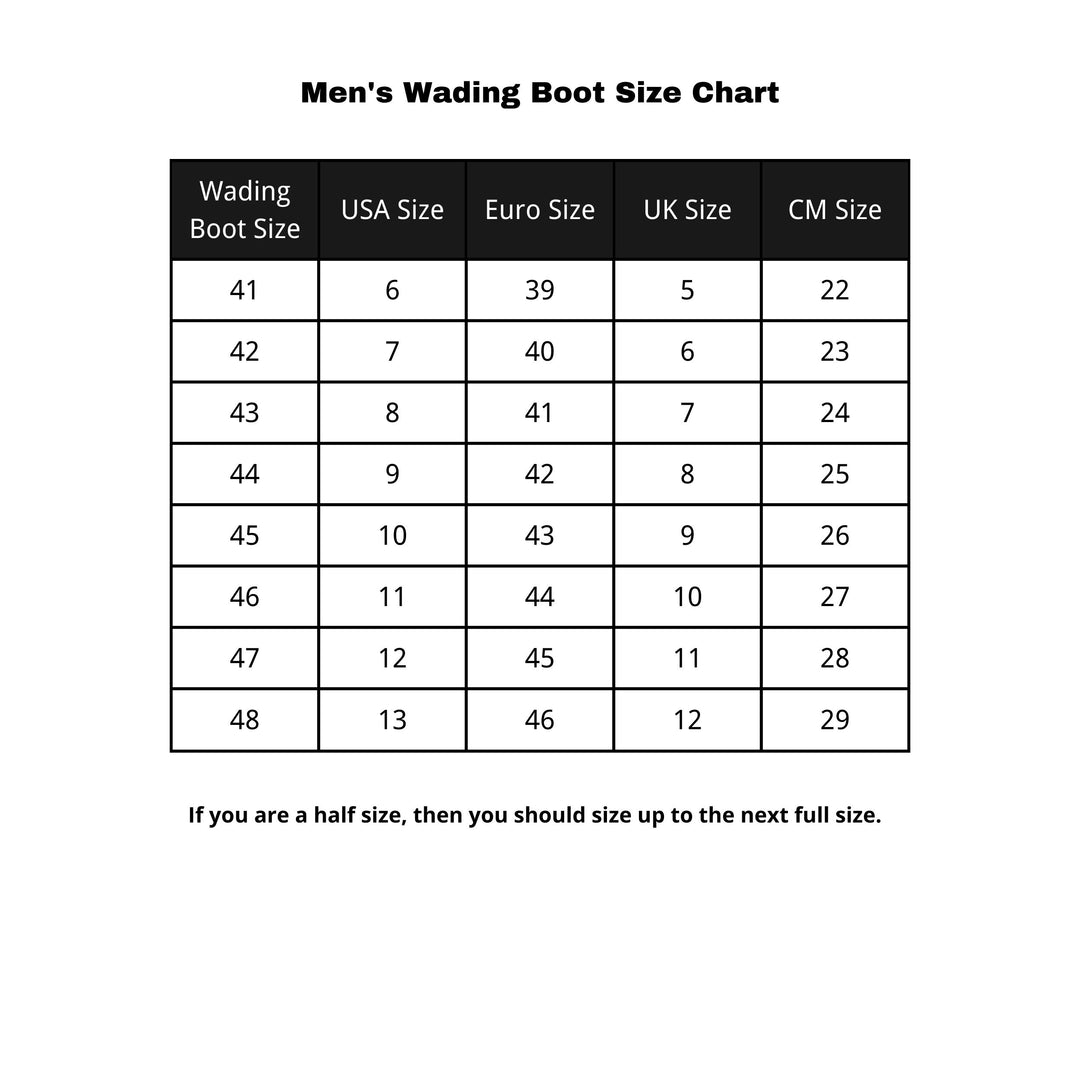
The most fundamental rule of wading boot sizing is straightforward: order one full size larger than your regular street shoe size.
If you typically wear a men's size 10 shoe, start with a size 11 wading boot. Women's size 8? Order a women's size 9 or men's size 7.
This "size up" rule accounts for:
- The thickness of neoprene wader booties
- Medium to heavy wool or synthetic socks
- Natural foot swelling during long days on the water
- Toe room needed for downhill hiking and stability
- Flexibility to adjust sock thickness based on water temperature
However, this is a starting point, not an absolute. Brand variations, foot width, wader thickness, and personal preferences all factor into your perfect size.
Understanding Manufacturer Sizing Systems
Not all wading boot brands follow identical sizing conventions, which creates confusion when shopping across different manufacturers. Here's what you need to know about major brands:
Simms Wading Boots
Simms recommends ordering one full size up from your street shoe size. Their sizing charts clearly indicate this relationship. For example, if your regular shoe is USA size 8, you would order a Simms wading boot size 9 for men or size 7 for women.
Simms boots tend to fit true to their adjusted sizing, meaning if you follow their size-up recommendation, the fit should be accurate. They offer extensive size ranges with half sizes in many models, providing good options for precise fitting.
Korkers Wading Boots
Korkers boots generally run slightly roomier than other brands, which many anglers appreciate, particularly those with wider feet or thicker wader booties. The brand still recommends sizing up one full size, but some anglers find they can use their regular shoe size or go up just a half size, especially in wider boot models.
Korkers' interchangeable sole system adds another consideration—the OmniTrax system can slightly affect internal volume depending on which sole you're using, though this difference is minimal.
Orvis Wading Boots
Orvis builds their size conversion directly into the boot sizing, meaning their wading boot size chart already accounts for the stockingfoot. However, most sources still recommend sizing up one full size to ensure adequate room, particularly if you fish in cold water requiring thick socks.
Orvis sizing can vary slightly between boot models, so always check the specific product's sizing recommendations.
Redington Wading Boots
Redington boots reportedly run true to size, with some anglers successfully ordering their regular street shoe size. However, the majority of fly fishing experts still recommend sizing up one full size for optimal fit, especially for newer anglers unsure of their preferences.
Patagonia Wading Boots
Patagonia wading boots are generally accurate to size, with the stockingfoot space already factored into their sizing. Most anglers order their regular shoe size and find adequate room. However, if you wear particularly thick wader booties or prefer very thick socks, sizing up a half size provides additional comfort.
How to Measure Your Feet for Wading Boots

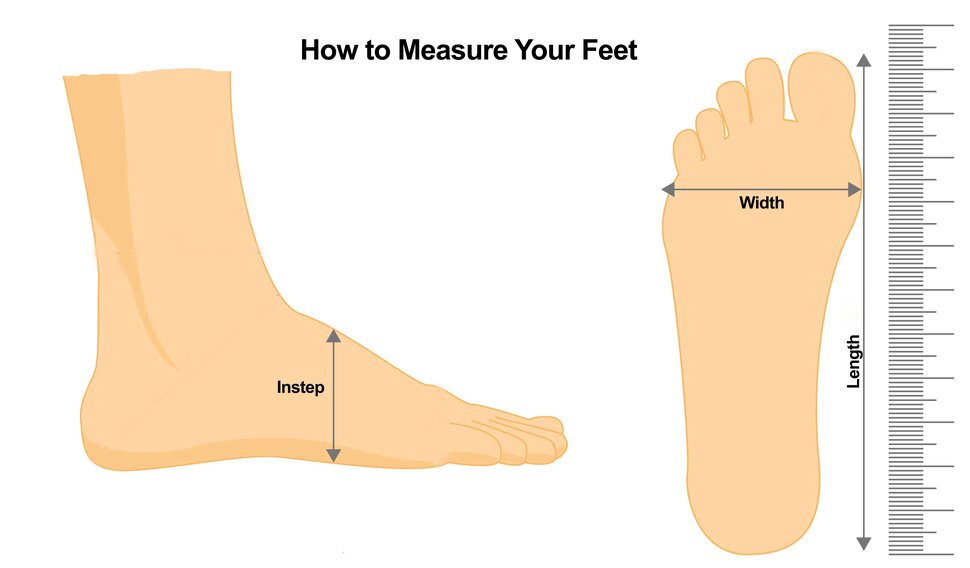
Before ordering wading boots, accurately measure your feet. Foot size can change over time due to age, weight changes, or even time of day (feet swell throughout the day). Don't assume you know your size—measure it.
The Home Measurement Method
What You'll Need:
- Blank sheet of paper larger than your foot
- Pen or pencil
- Ruler or measuring tape
- The socks you'll wear fishing
- Your waders (if you already own them)
Measurement Steps:
- Time It Right: Measure feet at the end of the day when they're at their largest
- Wear Your Gear: Put on the socks and wader booties you'll actually fish in
- Trace Your Foot: Stand on the paper with full weight on the foot and trace around your wader bootie
- Measure Length: Measure from the heel to the longest toe
- Measure Width: Measure the widest part of your foot
- Repeat: Measure both feet—many people have differently sized feet; fit for the larger foot
- Add Room: Add 1/4 to 1/2 inch to length measurement for toe room
Pro Tip: Measure while wearing your actual waders and fishing socks. This gives you the true measurement of what's going into the boot, not just your bare foot size.
The In-Store Method
The most reliable sizing method is visiting a fly shop with your waders and fishing socks in hand. This allows you to:
- Try boots with your actual gear
- Walk around to test comfort and fit
- Get expert guidance from experienced staff
- Compare multiple brands and models side-by-side
- Identify fit issues before purchasing
Many specialty fly shops employ staff with extensive wading boot fitting experience who can spot fit problems you might miss.
The In-Store Fit Test: What to Check
When trying on wading boots, perform a comprehensive fit evaluation. Don't just slip them on and walk a few steps—use these specific tests to identify potential problems:
1. The Toe Room Test
How: Stand up straight with full weight on your feet. Try to slide your foot forward in the boot as far as possible.
What to Check: You should have approximately 1/4 to 1/2 inch (roughly thumb's width) between your longest toe and the front of the boot. This space prevents toe jamming when hiking downhill and allows for natural foot expansion during long days.
Red Flag: If your toes are touching the front of the boot when standing normally, the boot is too small.
2. The Heel Lock Test
How: Stand normally, then try to lift your heel inside the boot without lifting the boot off the ground.
What to Check: Your heel should feel secure with minimal vertical movement. Slight lift (under 1/4 inch) is acceptable, but your heel shouldn't feel like it's swimming in the boot.
Red Flag: Excessive heel lift (more than 1/2 inch) indicates the boot is too large or the wrong shape for your heel. This causes blisters and instability.
3. The Lacing Test
How: Lace the boots fully using the lacing technique you'll use fishing. Walk around the store for at least 5-10 minutes.
What to Check: Boots should feel snug but not restrictive. You shouldn't feel pressure points anywhere. Pay special attention to the ankle collar, instep, and toe box.
Red Flag: Any pinching, excessive pressure, or pain indicates fit problems. Wading boots should feel slightly snug when new—they'll break in and loosen slightly with use.
4. The Width Test
How: Stand up straight. Feel the sides of your foot inside the boot.
What to Check: Your foot shouldn't bulge over the insole edges. There should be minimal side-to-side movement, but also no painful compression.
Red Flag: If the boot feels too narrow or too wide, you may need a different boot model or brand. Some manufacturers offer wide widths in certain models.
5. The Movement Test
How: Simulate fishing movements—squat, bend, walk up an imaginary hill (use stairs if available), and walk down.
What to Check: Boots should remain comfortable through all ranges of motion. Downhill movement is especially important—your toes shouldn't jam forward.
Red Flag: Discomfort during movement, especially toe jamming on downhill motion, indicates insufficient length.
6. The Extended Wear Test
How: Wear the boots around the store for at least 10-15 minutes. Don't just stand—walk continuously.
What to Check: Feet shouldn't feel tired, cramped, or painful. Any discomfort present after 15 minutes will be exponentially worse after 6 hours of fishing.
Red Flag: If you're already uncomfortable in the climate-controlled store, you'll be miserable on the river.
Special Fitting Considerations
Wide Feet
If you have wide feet, standard boot sizing may feel constrictive even when you size up in length. Consider:
- Brands that run roomier (like Korkers)
- Models specifically offered in wide widths
- Sizing up an additional half size
- Trying on multiple brands to find the best toe box shape
Never compromise on width. A boot that's too narrow will cause painful pressure points and blisters that make fishing miserable.
High Arches or Flat Feet
Standard boot insoles are designed for average arches. If you have high arches or flat feet, consider:
- Replacing factory insoles with aftermarket orthotics or arch supports
- Testing boots with your custom insoles before purchasing
- Accounting for additional volume that insoles add
Quality insoles like Superfeet or Sole can dramatically improve comfort and all-day support, but they also slightly reduce internal boot volume.
Women Ordering Men's Boots
Due to limited women's-specific wading boot availability, many women order men's boots. The general conversion is to size down one full size from men's sizing. For example, a women's USA size 8 would order a men's size 7.
However, be aware that men's boots are designed for different foot shapes—typically narrower heels and wider forefoot. Women-specific boots like those from Simms or brands like Miss Mayfly offer anatomically correct fits with proper heel cups, ankle padding ratios, and boot heights designed for women's proportions.
Cold Water vs. Warm Water Fishing
Your sock thickness will vary dramatically based on water temperature. When sizing boots:
Cold Water Anglers: Ensure boots accommodate thick wool socks or liner sock systems. Size up generously—even going 1.5 sizes up if you regularly fish winter conditions.
Warm Water Anglers: You can potentially use less aggressive sizing if you only wear thin socks. However, it's better to have extra room and use thicker socks if needed than to have insufficient space.
All-Season Anglers: Size for your thickest sock configuration. You can always wear thinner socks in warmer weather, but you can't make a too-small boot larger in winter.
Understanding Boot Break-In
Wading boots do break in and expand slightly with use, particularly when submerged in water. This is an important consideration when evaluating fit:
What to Expect During Break-In
- First Use: Boots may feel slightly tight or stiff, particularly around the ankle collar and upper
- After Water Exposure: Materials expand and conform to your foot shape, reducing initial pressure points
- After 3-5 Uses: Boots should feel noticeably more comfortable with a "broken in" feel
- Long-Term: Boots continue to mold to your foot throughout their lifespan
The Initial Fit Sweet Spot
Wading boots should feel slightly snug but not painful when brand new. If they're perfectly comfortable right out of the box, they'll likely become too loose after break-in, leading to the dreaded "floppy foot" syndrome where your foot slides around inside the boot, compromising stability.
Think of it this way: wading boots should feel like a firm handshake when new, not a vice grip and not a limp grasp. After break-in, that firm handshake becomes a comfortable, secure hold.
Break-In Tips
- Wear new boots around the house with your waders for 30 minutes before the first river trip
- Start with shorter fishing sessions (2-3 hours) in new boots
- Bring your old boots as backup on the first few trips with new footwear
- Use thinner socks on the first outing to allow more room during initial break-in
- Expect minor hot spots on first use; address them immediately with tape or moleskin
Solving Common Sizing Problems
Problem: Boots Fit Great in Length But Too Narrow
Solutions:
- Try different boot models from the same brand—toe box width varies by model
- Consider brands with roomier fits (Korkers, Grundens)
- Look for wide-width options if available
- Size up a half size and use thicker socks or an additional insole to take up length
Problem: Boots Fit in the Forefoot But Heel Slips
Solutions:
- Try different lacing techniques—heel lock lacing can secure the heel
- Add heel pads or tongue pads to reduce heel volume
- Consider a different boot model with a lower heel cup
- Evaluate if the boot is too long overall—you might need a half size down
Problem: Boots Feel Perfect Standing But Uncomfortable Walking
Solutions:
- Ensure proper lacing—loose laces cause friction and hot spots
- Check for adequate toe room during downhill movement
- Consider insoles with better arch support to reduce foot fatigue
- The boot may be the wrong shape for your foot; try different brands
Problem: Can't Decide Between Two Sizes
Rule of Thumb: When in doubt, size up. It's easier to add thicker socks or insoles to a slightly large boot than to force your foot into a too-small boot. Remember, you'll be wearing these for 6-8 hour fishing days—comfort and safety trump a snug fit.
The Online Ordering Strategy
If you can't visit a fly shop in person, ordering wading boots online requires a strategic approach:
1. Research Thoroughly
Read detailed product reviews focusing on sizing feedback. Look for patterns—if multiple reviewers mention boots run small, take that seriously.
2. Understand Return Policies
Order from retailers with generous return policies. The Fish Hawk and other reputable fly fishing retailers often allow returns on unworn boots, enabling you to try multiple sizes at home.
3. Order Multiple Sizes
If budget allows, order two sizes (your calculated size plus a half size up or down). Try them on with your waders at home and return the one that doesn't fit. This small investment in shipping ensures you get the right fit.
4. Check Manufacturer Size Charts
Different brands have different sizing philosophies. Always check the specific manufacturer's size chart for the exact model you're ordering.
5. Try On Properly
When boots arrive, try them on with your actual wading gear—not just barefoot or in regular socks. Walk around your house for 15-20 minutes simulating river conditions.
Preventing Blisters and Hot Spots
Even perfectly sized boots can cause blisters if you're not prepared. Here's how to prevent foot problems:
Sock Selection Matters
Never wear cotton socks with wading boots. Cotton retains moisture, creating the perfect environment for friction and blisters.
Ideal sock materials:
- Merino wool (naturally antimicrobial and moisture-wicking)
- Synthetic blends (quick-drying and supportive)
- Nylon/spandex blends for liner socks
Consider the two-sock system: A thin liner sock (thin merino or synthetic) under a thicker cushioned sock reduces friction between layers while providing padding and warmth.
Pre-Tape Vulnerable Areas
If you know certain spots on your feet are blister-prone:
- Apply medical tape, moleskin, or specialized blister prevention products (like Leukotape) before fishing
- Cover heels, Achilles tendons, and any previous blister sites
- Reapply as needed throughout the day
Address Hot Spots Immediately
The moment you feel a hot spot developing:
- Stop and remove your boots
- Dry the area thoroughly
- Apply tape, moleskin, or a blister bandage
- Adjust lacing to reduce pressure
Never ignore hot spots hoping they'll resolve—they won't. They'll become painful blisters that ruin your fishing.
Proper Boot Care
- Rinse boots thoroughly after each use to remove sand, silt, and debris that can cause friction
- Dry boots completely between uses—damp boots promote blister formation
- Replace worn insoles that no longer provide cushioning
- Check for internal rough spots or seam separations that might cause hot spots
When to Replace Your Wading Boots
Even the best-fitting wading boots eventually need replacement. Watch for these signs:
- Worn Soles: Tread pattern is shallow or smooth in high-wear areas
- Reduced Traction: You're slipping more frequently than when boots were new
- Structural Damage: Torn uppers, separated seams, or delaminating sole attachments
- Compressed Insoles: Insoles no longer provide cushioning
- Interior Breakdown: Fabric lining is torn or ankle padding is compressed
- Persistent Odor: Despite cleaning, boots smell due to material breakdown
- Sizing Changes: Your feet have changed size and old boots no longer fit properly
Quality wading boots typically last 3-5 seasons with regular use, though this varies based on fishing frequency and terrain.
Finding Your Perfect Fit at The Fish Hawk
At The Fish Hawk, we stock a comprehensive selection of wading boots from trusted brands like Korkers, ensuring you'll find the perfect fit for your feet and fishing style. Our collection includes:
- Multiple size ranges from men's 6 to 14 (and women's options)
- Both standard and wide-width models
- Lightweight boots for summer wading
- Insulated options for cold-water fishing
- Various sole configurations (felt, rubber, studded)
- Interchangeable sole systems for maximum versatility
- BOA closure systems for micro-adjustable fit
Whether you're a first-time wading boot buyer or a seasoned angler upgrading your gear, having the right size is paramount to your fishing success and safety.
Browse our complete wading boots collection to find your perfect fit and step confidently into your next fishing adventure.
Conclusion: Invest Time in Proper Sizing
Choosing the right wading boot size deserves as much attention as selecting your rod, reel, or waders. The difference between a perfectly fitted boot and one that's even half a size off can be the difference between a memorable day on the water and a painful experience you'll want to forget.
Remember these key takeaways:
- Start with one full size up from your street shoe size
- Try on boots with your actual waders and fishing socks
- Perform comprehensive fit tests before purchasing
- When in doubt, size up—it's easier to fill extra space than create it
- Expect slight break-in but don't rely on it to fix poor sizing
- Consider your specific needs: wide feet, cold water, arch support
- Invest in quality socks and proper boot care to prevent blisters
Your feet are your foundation on the river. Give them the support, protection, and comfort they deserve with properly sized wading boots. The extra time spent finding the right fit pays dividends in safety, comfort, and fishing success for years to come.
Frequently Asked Questions
Q: Should I size wading boots differently for felt vs. rubber soles? A: No, sole type doesn't affect internal boot sizing. Order based on your foot size and wader bootie, not the sole material. However, some brands' rubber-soled models may have slightly different internal dimensions than felt models—always check specific product sizing.
Q: Can I use regular hiking boot insoles in wading boots? A: Yes, quality aftermarket insoles can improve comfort and support. However, insoles reduce internal volume, so account for this when sizing. Try boots with your intended insoles before purchasing.
Q: My feet are different sizes. Which foot should I size for? A: Always size for your larger foot. You can use thicker socks or insoles in the boot on your smaller foot to improve fit.
Q: Do I need different size boots for neoprene vs. breathable waders? A: Possibly. Neoprene wader booties are typically thicker than breathable wader booties. If you own both, size your boots to accommodate the thicker neoprene booties. You can wear thicker socks with breathable waders to fill any extra space.
Q: Will boots stretch if they're too tight? A: Wading boots will break in and conform slightly to your foot, but they won't stretch enough to correct a too-small size. Don't buy boots that are uncomfortably tight hoping they'll stretch—they won't stretch enough, and you'll damage your wader booties in the process.
Q: What if I'm between sizes with no half-size available? A: Size up to the larger size. Use insoles, thicker socks, or tongue pads to adjust fit as needed.
Recent articles
View all
Layering for Spring Fishing: How to Dress for 40°F Mornings and 70°F Afternoons
5 Essential Fly Patterns for Spring Trout in the Southeast