
Understanding Fly Line Tapers: What WF, DT, and ST Mean for Your Cast
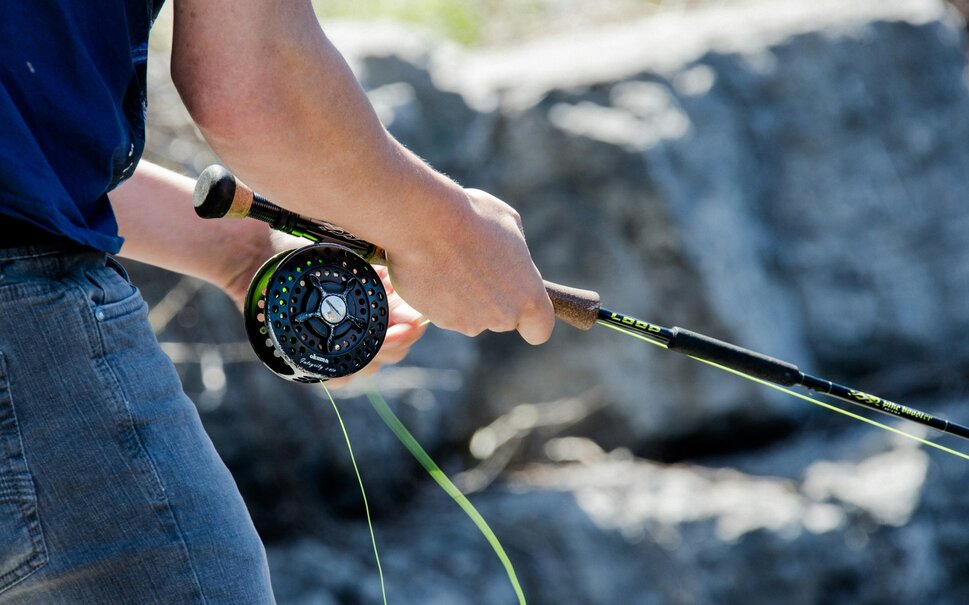
Walk into any fly shop or browse online fly line selections, and you'll immediately encounter cryptic abbreviations like WF, DT, ST, and others that seem designed to confuse rather than clarify. These letter combinations represent different fly line tapers—the profile and weight distribution along the line's length—that fundamentally affect casting performance, presentation quality, line control, and the overall fishing experience. While fly line weight determines how much the line weighs, the taper determines how that weight is distributed, creating dramatically different performance characteristics from the same total weight.
Understanding fly line tapers transforms you from someone who simply accepts whatever taper comes with a particular line to an informed angler who selects tapers strategically based on fishing situations, casting distances, and presentation requirements. This comprehensive guide demystifies fly line taper terminology, explores how different tapers affect casting and fishing performance, and provides practical guidance for selecting the optimal taper for your specific fishing needs.
The Fundamentals of Fly Line Taper
What Is Fly Line Taper?
Fly line taper refers to how the line's diameter and weight are distributed along its length. Unlike level lines with consistent diameter throughout, tapered lines vary in thickness from end to end, creating specific weight distributions that dramatically affect casting performance. The taper design determines where the line's mass concentrates, how energy transfers through the line during casting, and how the line turns over your leader and fly.
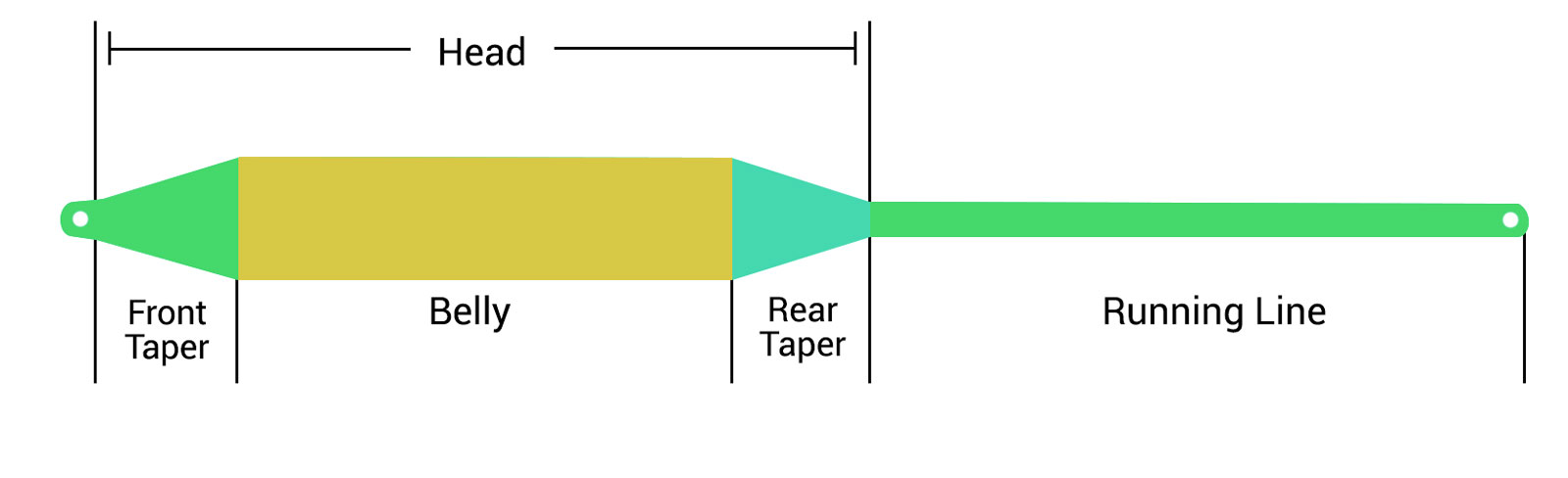
Modern fly lines feature complex taper designs with multiple sections, each serving specific functions. Understanding these sections helps you comprehend how different tapers create varied performance characteristics:
Tip Section: The thin front portion that connects to your leader, typically 1-3 feet long.
Front Taper: The gradual increase in diameter from tip to belly, usually 6-15 feet depending on taper design. This section determines how the line transfers energy to turn over leaders and flies.
Belly: The thickest, heaviest section that loads the rod during casting, typically 15-30 feet long. This is where most of the line's weight concentrates.
Rear Taper: The gradual decrease in diameter from belly toward running line, typically 5-12 feet. This transition section affects casting smoothness and line control.
Running Line: The thin, consistent-diameter line that shoots through the guides during casting, making up the majority of the line's total length.
How these sections are proportioned and shaped determines the taper designation and the line's performance characteristics.
Weight Forward (WF): The Modern Standard
Design and Characteristics
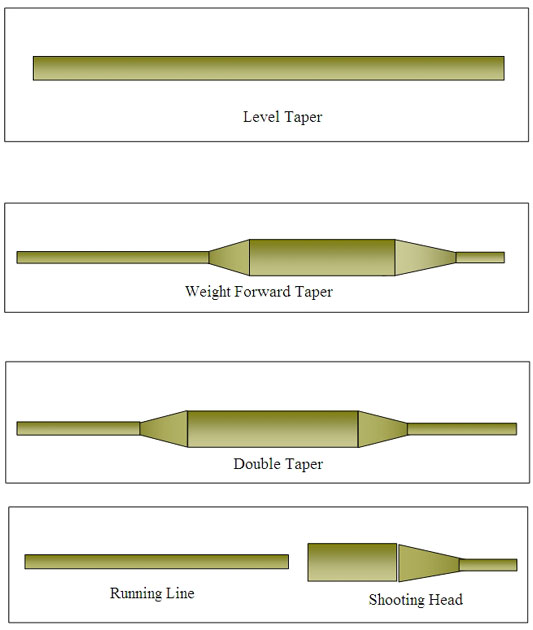
Weight Forward tapers—abbreviated as WF—concentrate most of the line's weight in the front 30-40 feet, with the remaining line being thin running line designed to shoot easily through guides. This design creates lines where the heavy belly sits relatively close to the rod tip during normal casting, allowing the rod to load with minimal line extended beyond the tip.
A typical WF taper might feature a 10-foot front taper, 20-foot belly, 10-foot rear taper, and then 60+ feet of running line. This front-loading design means you can load your rod and cast effectively with just 30-40 feet of line out of the rod tip, rather than needing to extend much longer lengths outside the guides.
When Weight Forward Excels
Distance Casting: WF tapers are engineered for maximum casting distance. Once you've loaded the rod with the belly, the thin running line shoots through guides with minimal resistance, carrying your cast significantly farther than other taper designs. If you regularly cast beyond 40-50 feet or need maximum distance capability, WF tapers deliver unmatched performance.
Quick Casting Situations: The concentrated weight loads rods quickly with minimal false casting, perfect for situations requiring fast presentations—like sight-fishing to cruising fish or covering water efficiently when searching for active fish. You can execute two false casts and shoot line quickly, presenting flies before fish move out of range.
Shooting Line: The thin running line section shoots through guides with minimal friction, allowing you to extend casts dramatically beyond your backcast length. This shooting capability proves essential for distance fishing and makes WF tapers the preferred choice for most saltwater applications, streamer fishing, and any scenario where casting distance matters.
Modern Fishing Applications: WF tapers suit contemporary fly fishing focused on covering water, fishing at distance, and efficiently presenting flies to scattered fish. The design reflects how most anglers actually fish today—making numerous casts at varying distances rather than carefully working over individual rising fish.
Versatility: Weight forward tapers now dominate the market because they handle diverse situations adequately. While specialized tapers might excel in specific scenarios, WF tapers provide good-to-excellent performance across most fishing you'll encounter.
WF Taper Variations
Modern WF tapers feature numerous sub-variations optimized for specific applications:
Standard WF: Balanced design suitable for general fishing with moderate front tapers.
Short-Head WF: Shorter bellies (15-20 feet) that load rods quickly for close-range fishing and quick presentations.
Long-Head WF: Extended bellies (30-40 feet) providing better turnover for longer leaders and heavier flies while maintaining shooting capability.
Power Taper WF: Aggressive front tapers designed to turn over heavy flies and wind-resistant patterns in challenging conditions.
These variations allow you to fine-tune performance within the WF category, though many anglers never venture beyond standard WF tapers that handle most situations adequately.
Double Taper (DT): The Classic Design
Design and Characteristics
Double Taper lines—abbreviated as DT—feature symmetrical design with identical tapers on both ends and a long, consistent-diameter belly section in the middle. A typical DT line might have 10-foot front tapers on each end with 70 feet of level belly between them. This design creates lines with weight distributed more evenly throughout the front 30-40 feet rather than concentrated in a shorter belly section.
The symmetrical design means when one end wears out from use, you can simply reverse the line on your reel and effectively have a new line. This economy made DT lines popular historically when fly lines were expensive relative to income and durability was less advanced than modern lines offer.
When Double Taper Excels
Delicate Presentations: DT lines excel for delicate presentations to spooky fish in calm water. The gradual front taper and even weight distribution create gentle turnover that presents flies softly without the aggressive delivery of WF tapers. For technical spring creek fishing or presenting tiny flies to selective trout, DT lines provide advantages.
Short to Medium Range Casting: At casting distances under 40 feet, DT lines perform beautifully. The even weight distribution makes short-range casting natural and controlled. If your fishing rarely requires casts beyond 40-50 feet, DT lines provide excellent performance without WF tapers' distance-casting specialization.
Line Control and Mending: The thicker running line (which is actually belly section, not true running line) of DT designs provides better control for mending. The increased diameter throughout the first 40-60 feet creates more surface tension and control when executing mends to manage drag. For traditional wet fly swing fishing or situations requiring extensive mending, DT lines offer control advantages.
Roll Casting: DT tapers roll cast more efficiently than WF lines because more weight extends outside the rod tip during the roll cast motion. If you fish small streams with overhanging vegetation requiring frequent roll casts, DT lines provide better performance.
Traditional Presentations: Anglers who fish classic techniques—dry fly fishing at moderate range, traditional wet fly presentations, classic nymphing methods—often prefer DT lines' balanced, controlled characteristics over WF tapers' distance-oriented design.
DT Limitations
Double taper lines struggle with distance casting beyond 45-50 feet. The lack of thin running line means the entire line diameter must shoot through guides, creating friction that limits distance. The symmetrical design also means more line outside guides before achieving adequate load, making quick presentations more difficult. For modern fishing emphasizing distance and efficiency, DT limitations explain why WF tapers have largely supplanted them in popularity.
Shooting Taper (ST): The Distance Specialist
Design and Characteristics
Shooting Taper lines—abbreviated as ST—represent the extreme end of distance-casting optimization. ST lines consist of just the weight-bearing portion of the line (head)—typically 25-35 feet of tapered line with no attached running line. You attach this short head to thin running line (often monofilament or thin fly line backing) via loop connections, creating ultra-efficient shooting systems.
The very short head loads rods quickly while the ultra-thin running line offers virtually no friction when shooting through guides. This design maximizes casting distance beyond what even WF tapers achieve, making ST systems the choice for competition distance casters and anglers who regularly fish at extreme range.
When Shooting Tapers Excel
Maximum Distance: If you need to cast 70-90+ feet regularly, shooting taper systems provide unmatched performance. The thin running line shoots through guides with minimal resistance, carrying casts farther than any other line design.
Saltwater Distance Fishing: When sight-fishing to distant cruising fish on flats or casting from boats to working fish, shooting tapers deliver the distance necessary to reach fish beyond WF taper range.
Spey and Two-Handed Casting: Shooting heads work excellently for spey casting where specialized head designs matched to long rods create efficient long-range presentations. The interchangeable head system allows you to match different sink rates and lengths to varying conditions.
Customization: Serious anglers often own multiple shooting heads in different weights and densities, swapping them throughout the day to match changing conditions. This versatility allows precise optimization impossible with full lines.
ST Limitations and Challenges
Shooting taper systems require more skill and practice than integrated fly lines. The short head means less margin for error in timing and technique. Line management becomes more complex with thin running line that tangles more easily than standard fly line. The specialized nature means ST systems suit experienced anglers with specific distance requirements rather than serving as general-purpose solutions for most fishing.
Specialty Taper Designs
Bass Bug Taper
Bass bug tapers feature aggressive, powerful front tapers specifically designed to turn over large, wind-resistant bass bugs and poppers. The heavy, short front taper delivers energy aggressively, punching through wind and turning over air-resistant flies that would collapse standard tapers.
Nymph Tapers
Specialized nymphing tapers feature long, fine front tapers and extended heads designed to track nymph drifts and transmit subtle strikes. Some euro-nymphing-specific lines eliminate most of the belly entirely, functioning more like level lines optimized for close-range nymphing techniques.
Saltwater Tapers
Saltwater-specific tapers typically feature stiffer cores and aggressive front tapers engineered to handle windy coastal conditions and turn over large saltwater flies. The stiffness prevents the line from collapsing in wind while the powerful taper delivers flies decisively.
Presentation Tapers
Specialized presentation tapers feature exceptionally long, gradual front tapers (15-20+ feet) designed for the most delicate presentations imaginable. These tapers suit technical spring creek fishing and any scenario where gentle turnover matters more than distance or wind-fighting capability.

Decoding Fly Line Designations
Reading the Complete Code
Fly line labels combine taper, weight, and line type into compact codes like "WF-5-F" or "DT-4-F/S". Understanding these codes allows you to quickly assess any fly line's characteristics:
First Letters (WF, DT, ST): Taper designation Number (3, 5, 8, etc.): Line weight Final Letter(s) (F, I, S): Density (Floating, Intermediate, Sinking)
For example:
- WF-6-F: Weight Forward, 6-weight, Floating
- DT-4-F: Double Taper, 4-weight, Floating
- ST-8-I: Shooting Taper, 8-weight, Intermediate
Understanding this shorthand allows you to quickly evaluate lines and ensure you're selecting the appropriate taper for your needs.
Selecting the Right Taper for Your Fishing
Assess Your Typical Casting Distance
If you rarely cast beyond 40 feet, DT tapers provide excellent performance with superior delicacy and control. If you regularly cast 40-60 feet, standard WF tapers offer optimal balance of control and distance. If you frequently need casts beyond 60 feet, aggressive WF or ST systems become necessary.
Consider Your Fishing Techniques
Traditional dry fly fishing and classic presentations suit DT or gentle WF tapers. Streamer fishing, bass bugging, and distance work require aggressive WF tapers. Nymphing benefits from specialized nymph tapers or moderate WF designs. Match taper aggressiveness to your fishing style's presentation requirements.
Environmental Factors
Consistent wind demands powerful tapers that punch through air movement—aggressive WF or specialized wind tapers. Calm conditions allow gentler tapers that prioritize delicacy. Tight quarters benefit from tapers that load with minimal line outside the rod tip—short-head WF designs.
Building Your Taper Arsenal
Most anglers benefit from standard WF tapers covering the majority of their fishing. Add specialized tapers—perhaps a DT for technical spring creek fishing or aggressive WF for bass—as specific needs emerge through experience. Starting with versatile WF tapers ensures adequate performance while you develop understanding of when specialized tapers would provide meaningful improvements.

Conclusion
Understanding fly line tapers transforms mysterious abbreviations into practical information that guides intelligent line selection. Weight Forward tapers provide versatile distance-casting capability suitable for most modern fishing applications. Double Taper lines excel for delicate presentations and traditional techniques at moderate range. Shooting Tapers deliver maximum distance for specialized applications requiring extreme casting range.
The taper you choose affects every cast you make—how the line loads your rod, how energy transfers to your leader and fly, how gently or aggressively your presentation lands, and how much distance you can achieve. Matching taper to your fishing style, target species, and typical casting distances ensures your line performs optimally rather than fighting against your natural casting rhythm and fishing approach.
Ready to select the perfect fly line taper for your fishing style? Explore our comprehensive collection of fly lines featuring Weight Forward, Double Taper, and specialized taper designs from Scientific Anglers, Rio, and Cortland. With expert guidance and industry-leading selection, The Fish Hawk helps you match line tapers to your casting and fishing needs for maximum performance, precision, and success on the water.
Recent articles
View all
Layering for Spring Fishing: How to Dress for 40°F Mornings and 70°F Afternoons
5 Essential Fly Patterns for Spring Trout in the Southeast