Best Fly Reels for the Money: Trout to Saltwater
Key takeaways
- Reel price mostly buys drag quality and build. A sealed disc drag holds up to salt and big fish; a simpler drag works fine for small trout.
- A mid-range sealed-drag reel is the sweet spot for most anglers: strong enough for real fish, without paying for extras few people use.
- Ross reels are a strong trout-and-light-saltwater value pick; Abel reels are built for years of hard saltwater use.
- Reel size should match rod weight, not personal preference. A 5-weight rod needs a 5-weight reel regardless of brand.
- Upgrade when your fishing changes, like moving into saltwater or chasing bigger fish, not just because a newer model is out.
A fly reel does more than hold your line. On bigger fish, a smooth drag is the difference between landing one and losing it.
You do not need to spend a fortune to get a great reel. This guide covers the best fly reel for the money, from trout streams to the salt, so you know where your money buys real performance.
What makes a fly reel worth the money?
A reel's price mostly reflects two things: its drag and its build. Cheaper reels use simpler drags that work fine for small fish. Pricier reels use sealed drags that block out salt and grit and hold up for decades. You are paying for smoother stopping power and longer life, not extra features you may never touch.
Simple click-and-pawl drags still exist for small-stream trout fishing, but they have become a niche choice. Most anglers, even many trout anglers, are better served by a sealed disc drag today, since it covers more situations without giving anything up on light water.
How much should you spend on a reel?
Here is how the tiers generally break down.
| Tier | Drag | Best for | Trade-off |
|---|---|---|---|
| Entry level | Basic sealed drag | Small trout, light rods, occasional use | Fewer sizes, simpler finish |
| Mid-range | Sealed disc drag | Most anglers, bass to light saltwater | The sweet spot of value and performance |
| Premium | Fully sealed, precision machined | Serious saltwater, big game, daily use | Paying more for polish and lifetime durability |
For most anglers, a mid-range reel gives the best value. You get a strong sealed drag without paying for extras you may not need.
What's the best value fly reel for trout?
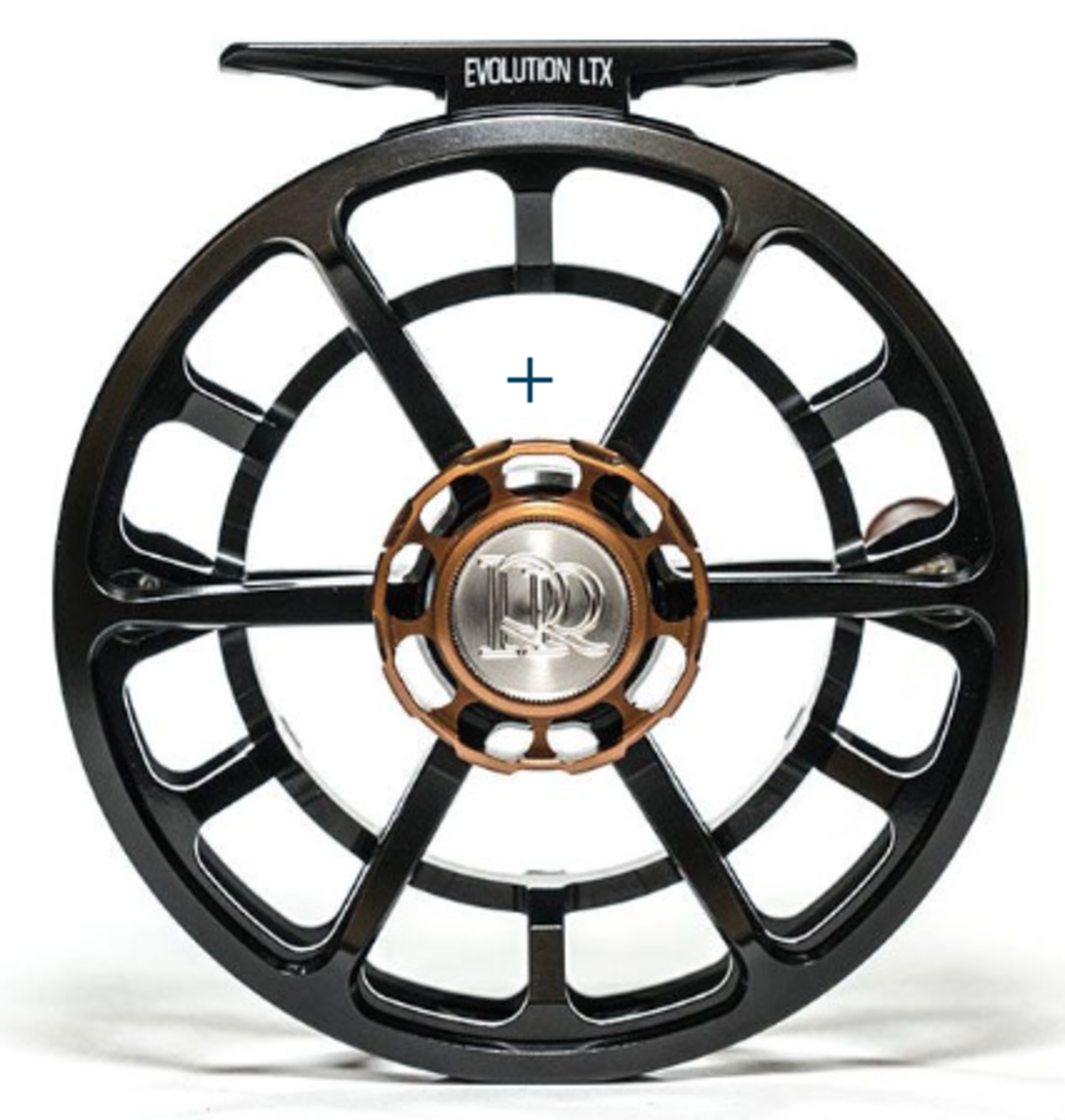
Trout reels can stay light and simple, since trout rarely make long runs. Ross reels are a favorite here. They are made in the USA, come with a sealed drag, and cost less than many premium brands, which makes Ross a smart first upgrade from an entry-level reel.
What's the best value fly reel for saltwater?
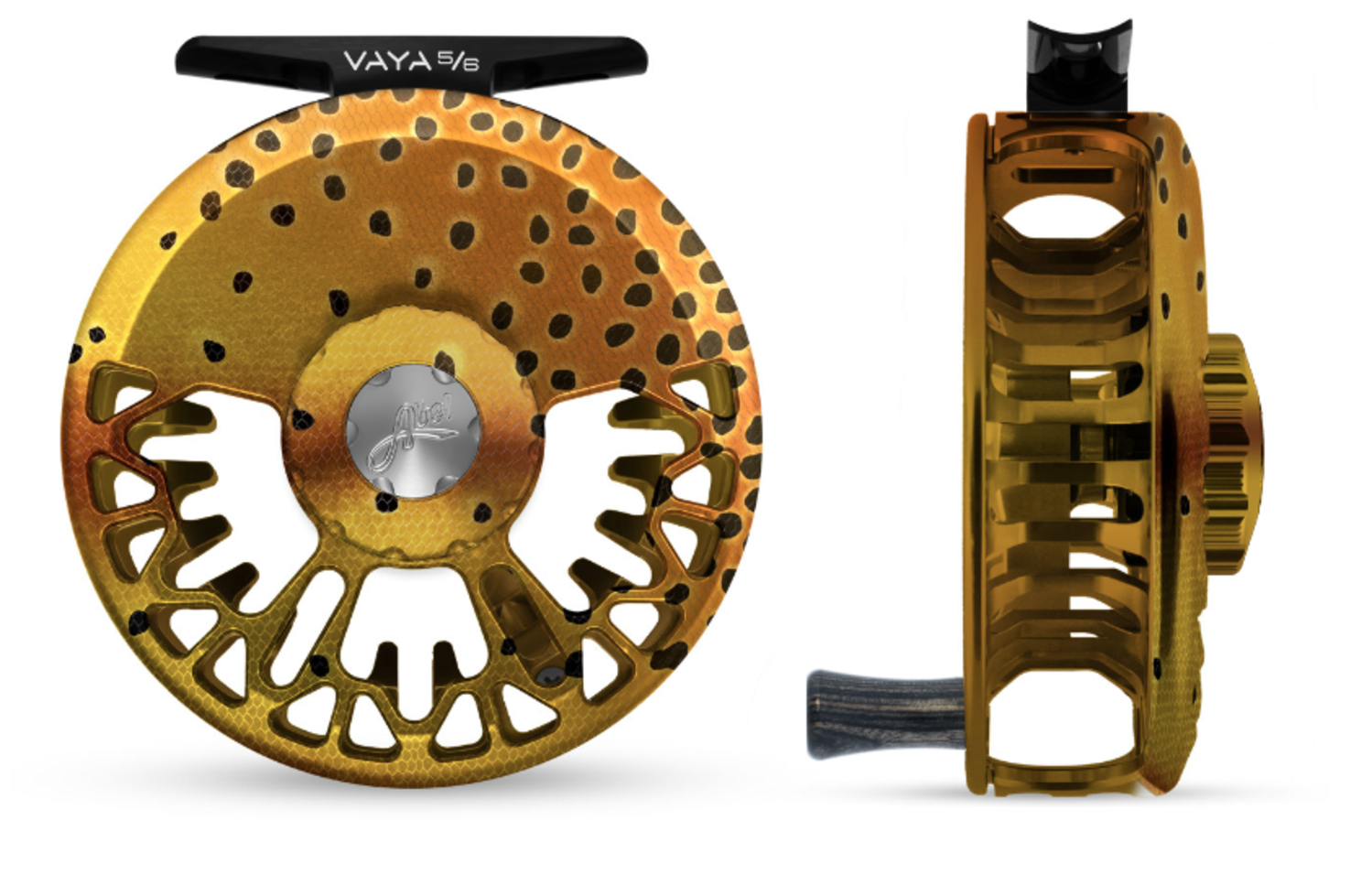
Saltwater reels need a strong sealed drag and plenty of backing, since salt and sand are hard on gear that is not sealed well. Abel reels are built for this. They are tough, smooth, and made to handle bonefish, redfish, and tarpon. They cost more up front, but they last for decades, which makes them a strong long-term value.
Match the reel to your rod
A reel should match your rod weight, and bigger fish or saltwater call for larger reels with more backing and a stronger drag. If you are not sure which size you need, our fly reel size chart breaks it down step by step, or compare options across our reel brands.
Should your rod and reel match brands?
Not necessarily. A reel and rod from different brands can balance and perform just as well as a matched set, as long as the weight and size line up correctly. Some anglers prefer one brand across their setup for a consistent look and feel, but that is a style choice, not a performance requirement.
Focus on matching numbers, rod weight to reel size, rather than matching labels. A well-paired mixed setup will always outperform a matched setup with the wrong reel size.
Does arbor size affect how a reel performs?
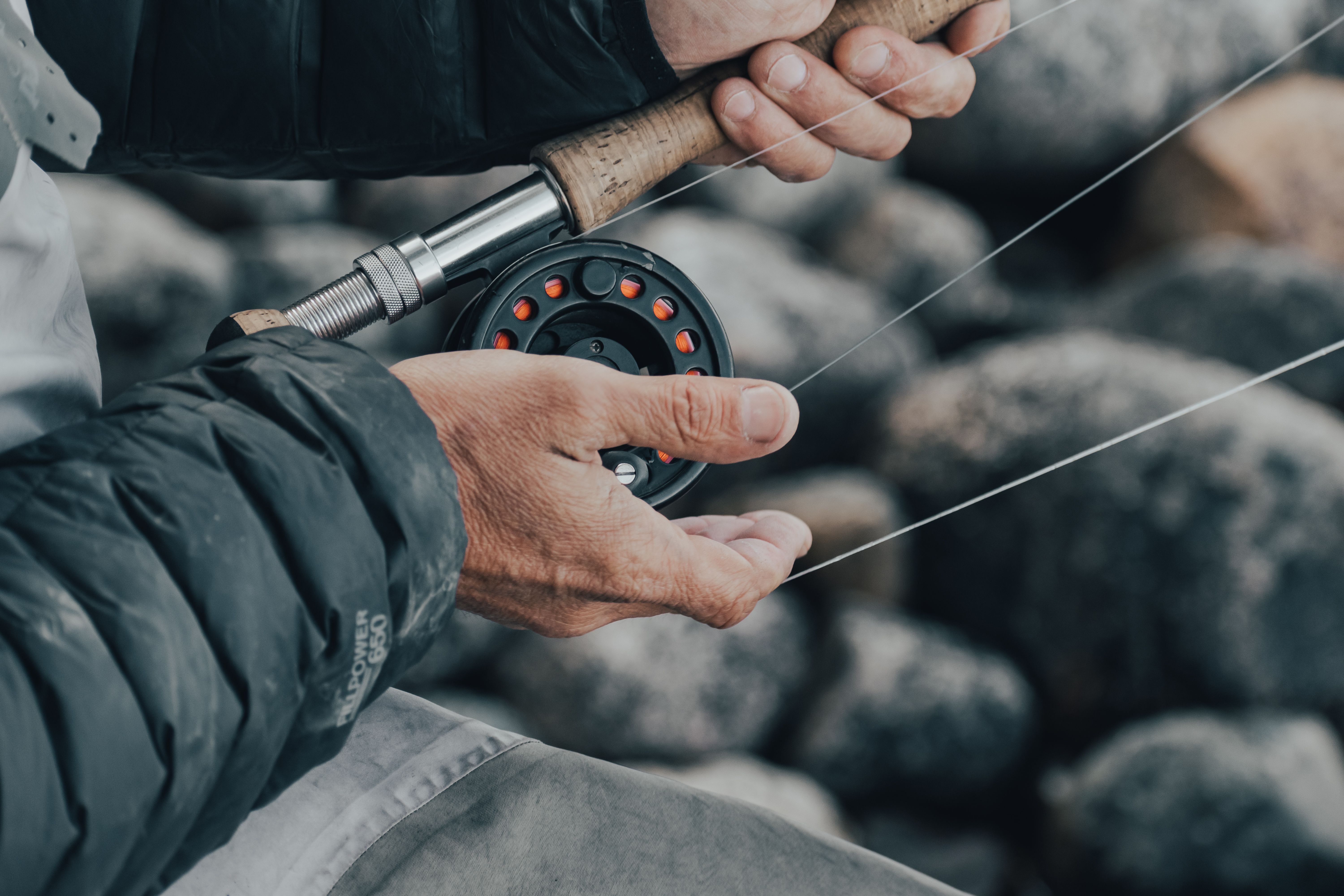
Yes, a little. A large arbor reel picks up line faster on the retrieve, since more line spools with each turn of the handle. That matters when a fish turns and runs toward you and you need to catch up quickly to keep tension on the line.
Large arbor reels also tend to apply more even drag pressure as line pays out, since the diameter changes less as the spool empties. It is a real, worthwhile upgrade, though not the first thing to worry about if you are choosing your very first reel.
When should you upgrade your reel?
You do not need to upgrade often, but a few moments are good times to do it.
- When you start chasing bigger or stronger fish than your current reel was built for.
- When you move from freshwater into the salt.
- When your current drag feels rough or sticky no matter how well you clean it.
- When you want a second reel for a different line type, like a sinking line.
If your fishing has not changed, your reel probably still fits. Upgrade when your fish or your water change, not just because a new model came out.
FAQ
Do I really need an expensive fly reel?
Not always. For small trout, an affordable reel with a simple drag works fine, since the reel mostly stores line. For big fish and saltwater, a stronger sealed drag matters a lot and is worth the spend.
Do you need more than one reel?
Many anglers end up with a few reels over time, since a trout reel and a saltwater reel cover very different fishing. Start with one reel that matches your main rod, then add more once your fishing changes.
Should you buy new or used?
A good reel holds its value, so used can be a smart buy. Check the drag for smooth, even pressure and look the spool over for dents before you commit.
Find your reel
The best fly reel for the money is the one that fits your rod, holds enough backing, and has the right drag for your fish. For most anglers, a mid-range sealed-drag reel hits the sweet spot.
Browse the full fly reels collection to compare value picks, or look at Ross and Abel for trusted options. Once you have picked a reel, our guide on how to set up a fly reel covers backing, line, and leader from start to finish. Our team fishes these reels and is glad to help you choose in Atlanta.
Recent articles
View all
How to Set Up a Fly Reel: Backing, Line, and Leader
Fly Reel Size Chart: How to Match Your Reel to Your Rod