How to Set Up a Fly Reel: Backing, Line, and Leader
Key takeaways
- Spool backing onto the reel arbor first. It fills the spool and gives your fly line something to run against when a fish pulls hard.
- Fly line attaches to backing with an arbor knot, and to your leader with a nail knot, needle knot, or loop-to-loop connection.
- Most trout reels hold 50 to 150 yards of backing; saltwater reels for hard-running fish typically hold 200 yards or more.
- Choosing a drag, sealed versus a simpler build, matters more than any other reel feature once a strong fish is on the line.
- Rigging a reel for the first time, from empty arbor to ready to fish, takes most anglers well under an hour.
A new reel out of the box is just an empty spool until you rig it.
Before your first cast, you need to add backing, attach your fly line, and connect a leader. This guide covers how to set up a fly reel step by step, from empty arbor to ready to fish.
What order do you rig a fly reel in?
Rig in this order: tie backing to the reel arbor, attach fly line to the backing, then connect a leader to the fly line's front end. Each connection uses a different knot, and rigging in order keeps everything running smoothly once it is all on the reel.
- Tie backing to the arbor with an arbor knot, then wind it on under light, even tension.
- Attach the fly line to the backing with a needle knot or a strong, low-profile connecting knot.
- Attach a leader to the front of the fly line, usually with a loop-to-loop connection or a nail knot.
- Tie on tippet and a fly once your leader is secured, and you are ready to cast.
How much backing does your reel need?
Most trout reels hold 50 to 150 yards of backing, which is plenty since trout rarely swim far. Saltwater reels built for bonefish, redfish, or tarpon typically hold 200 yards or more, since those fish make longer, faster runs. Always check your fly reel's printed capacity rather than guessing, since arbor size varies a lot between models.
Fill the spool with backing first, then add your fly line on top. If you run out of spool space before the fly line is fully on, you added too much backing. If there is a lot of extra room, you can add more.
What knot attaches backing to the reel?
An arbor knot is the standard choice. It is a simple, reliable knot tied directly around the reel's arbor, and it only needs to hold under light pressure, since backing rarely gets pulled tight against the reel itself.
Wrap the backing around the arbor, tie an overhand knot around the running line, then a second overhand knot at the very end of the tag. Snug both knots down and trim the tag end close.
How do you choose the right drag when you rig a reel?
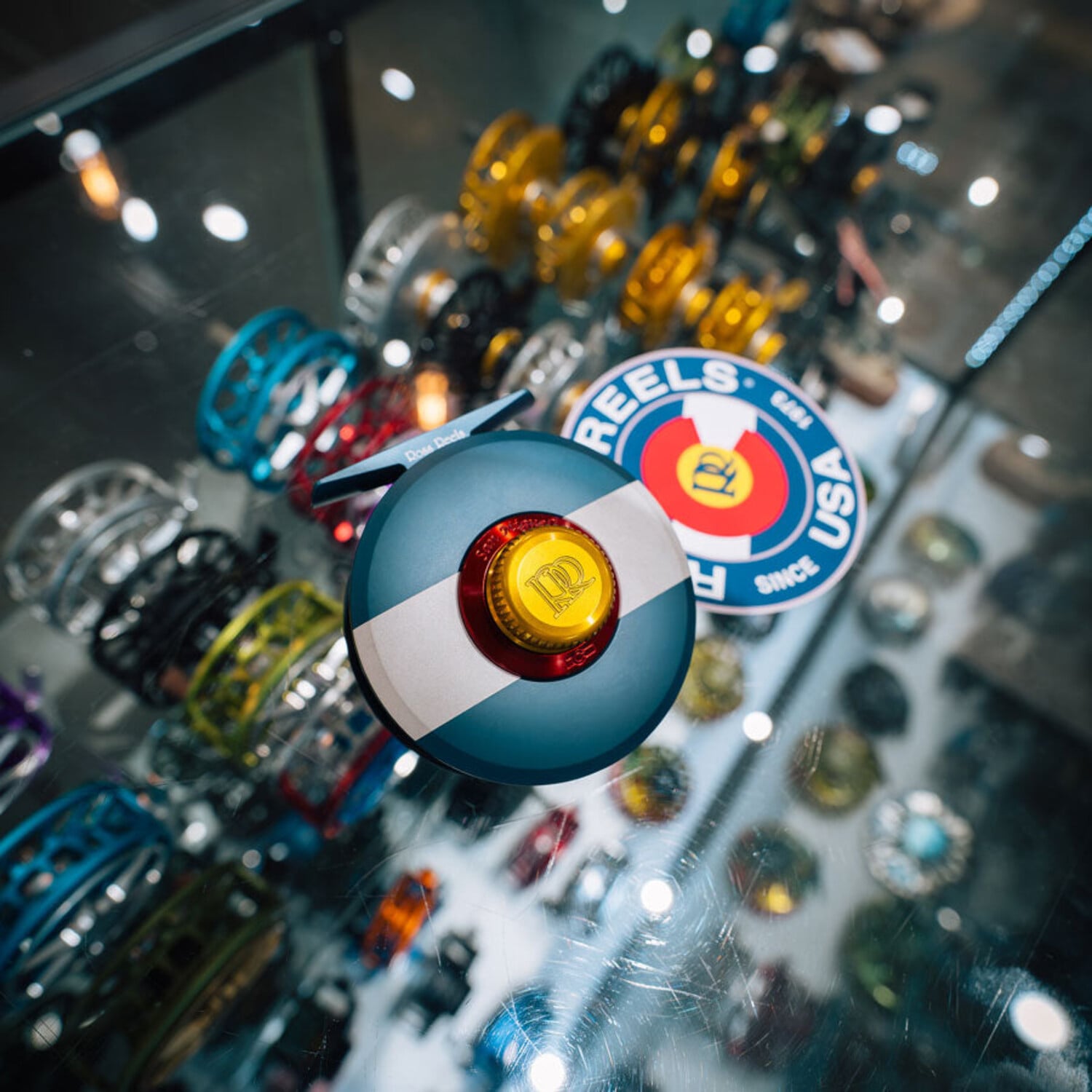
Drag matters most once a strong fish is on the line. A sealed disc drag handles salt, sand, and big fish without grinding or sticking, which is why most modern reels, including sealed models from Abel and Ross, are built this way. Simple, lighter drags still exist for small-stream trout fishing, but sealed drags have become the standard across most fishing today.
If you want a closer look at how a specific drag system performs, we have broken down the Abel Reel Series Comparison and Choosing the Perfect Ross Reel drag guides in detail.
Should you soak your fly line before rigging it?
Some anglers soak a brand new fly line in water for a short time before spooling it, since it can help the line relax and shed the tight coil memory it picks up from the box. It is a small step, not a required one, and skipping it will not ruin your setup.
If your line still holds tight coils after a few casts, stretching it gently by hand between two anchor points usually works out the memory faster than soaking alone.
How do you re-line a reel that already has backing on it?
If you are upgrading to a new fly line on a reel you already own, you often do not need to strip the backing off and start over. Reel the old line off, leave the backing in place if it is still in good shape, and attach the new fly line directly to the existing backing with the same needle knot or connecting knot you would use on a fresh setup.
Only replace backing if it looks worn, discolored, or if you are changing to a size that needs more or less capacity than before.

Common rigging mistakes
A few mistakes trip up almost every new angler at least once.
- Winding backing on too loosely, which lets it shift and jam on the spool.
- Attaching the leader backward, with the thick end toward the fly instead of the fly line.
- Skipping a strength check on new knots before the first cast.
- Mixing a line weight that does not match the reel and rod, which throws off casting feel entirely.
Check your knots by pulling firmly before you fish. A knot that slips in your hands will slip on a fish.
FAQ
Do you need a leader wheel or tippet spool?
Not to get started, but both make life easier once you are fishing regularly. A tippet spool holder keeps material organized, and a leader wheel keeps spare leaders from tangling in a pack or box.
How often should you re-rig your reel?
Backing rarely needs replacing. Fly line lasts for years with rinsing and basic care. Leader and tippet are what you replace most, either when they show wear or once per season as routine maintenance.
Should you use line dressing when you rig?
It is optional. Some anglers add dressing to a new floating line so it sits a bit higher and glides more smoothly through the guides, but many anglers never bother with it on a new line.
Rig it, then go fish
Rigging a fly reel is a one-time job that takes less time than most anglers expect once they have done it once. Get the order right, check your knots, and the rest of the day is just fishing.
Browse the full fly reels collection if you are still choosing a reel, or see our guide on the best fly reels for the money and the fly reel size chart to make sure you have the right one. Pair your reel with the right fly lines and saltwater leaders if you are headed to the flats. Our team is glad to help you rig up in Atlanta.
Recent articles
View all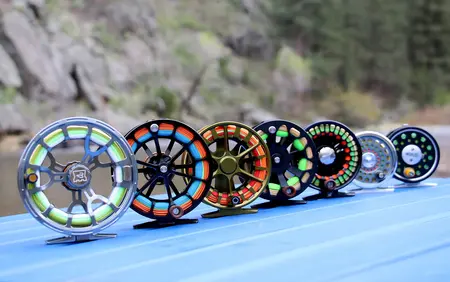
Fly Reel Size Chart: How to Match Your Reel to Your Rod
Best Fly Reels for the Money: Trout to Saltwater