Complete Redfish Fly Fishing Setup: Rods, Reels, Lines & Flies for Success
What Makes a Great Redfish Fly Setup?
Redfish are tailor-made for fly anglers: they live shallow, they tail and cruise in water you can see, and they’ll eat a well-placed fly with conviction. But they also expose weaknesses in gear. You’ll battle wind, heavy flies, abrasive mouths, and long runs around oyster bars and grass edges. A solid inshore fly fishing setup solves three problems at once: it helps you deliver the fly accurately, it turns fish efficiently, and it survives salt.
This guide breaks down a complete redfish fly fishing gear system—rod, reel, line, leader, tippet, and flies—so you can build a dependable setup and understand why each choice matters.
Choosing the Best Rod for Redfish
The best rod for redfish depends on where you fish, the typical fish size, how windy it gets, and the flies you throw. Redfish rods need three core traits: enough backbone to lift fish and steer them, a tip that can form tight loops in wind, and a length/action that makes accurate shots inside 60 feet feel natural.
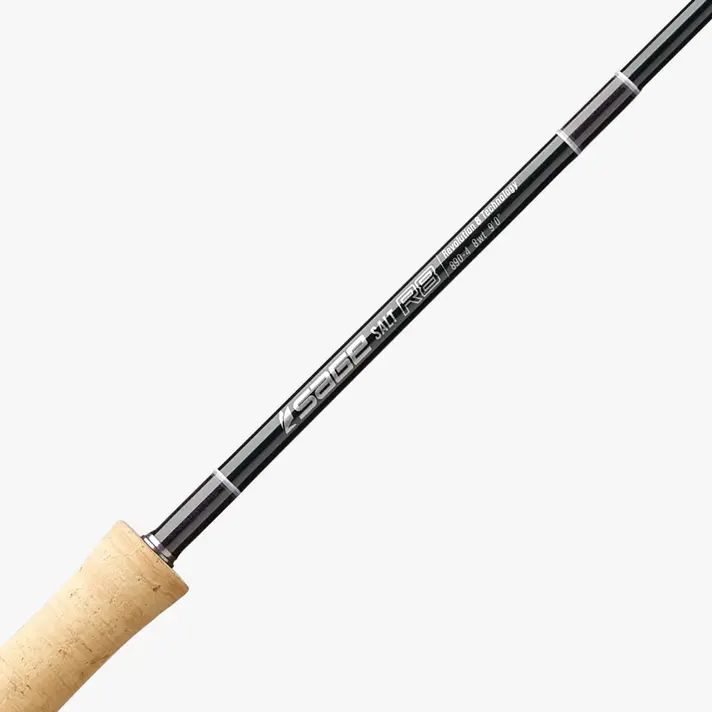
8 weight rod: the everyday redfish tool
An 8 weight rod is the most versatile choice for most anglers targeting slot fish in shallow water. It will:
- Handle common redfish flies (size 2 to 1/0) with ease
- Provide a good mix of presentation and power
- Reduce fatigue during long days of casting and stripping
If you’re building your first redfish fly setup, an 8-weight is usually the most forgiving and the most used.
9 weight rod: when wind, big flies, or big fish show up
A 9 weight rod earns its place when conditions or target fish get more demanding. Choose a 9-weight if you regularly deal with:
- Strong coastal wind that forces tighter loops and more line speed
- Heavier flies (lead eyes, bulky patterns, larger baitfish)
- Bigger redfish, bull reds, or frequent bycatch like jacks and smaller tarpon
The tradeoff is that a 9-weight can feel stiffer and less delicate at short range. If your fishery is mostly calm, shallow, and close, an 8 may be more enjoyable.
Rod length and action
- 9’ is the standard for inshore sight-fishing—easy line control and efficient casting.
- Fast to medium-fast action helps in wind and with quick, accurate shots. Extremely fast rods can be great, but they demand better timing at 30–40 feet.
- Durability matters: salt, sand, and boat decks are hard on equipment. Look for strong guides, good reel seats, and a build meant for saltwater use.
If you want to browse purpose-built options, start with Saltwater Recommended Rods.
Picking a Saltwater Fly Reel for Redfish
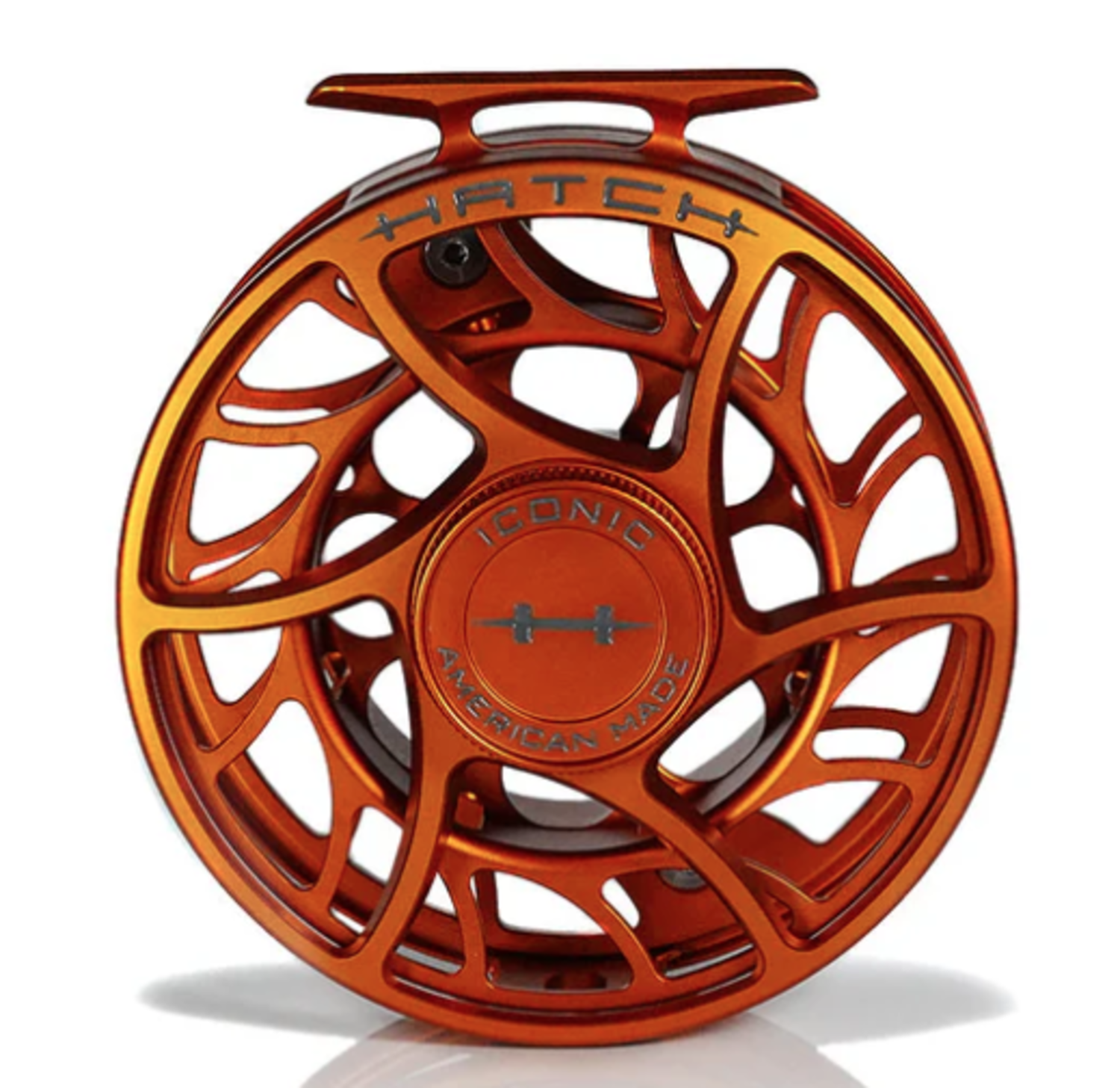
Redfish don’t always require a giant reel, but they do demand a reliable one. Your saltwater fly reel should protect light tippet when a fish surges, recover line smoothly, and resist corrosion. The biggest reel failures in the salt are usually drag issues, poor sealing, and neglected maintenance.
Drag: smooth beats “max pressure”
A quality disc drag with a smooth startup is more important than extreme drag strength. Redfish often eat close, then take off; a sticky drag can pop tippet or straighten hooks. Look for:
- Consistent pressure through the full range of settings
- Smooth startup with no jerking
- Easy adjustment with wet hands
- Corrosion resistance and sealing
Even the best reel needs rinsing, but sealed or well-protected drags help when spray, sand, and dunkings happen. Anodized finishes and quality hardware also matter for longevity.
Size, backing capacity, and balance
For an 8–9 weight redfish fly setup, choose a reel that holds the appropriate line plus enough backing for long runs and surprise fish. As a general baseline:
- Backing: 150–200 yards of 20 lb is common; go heavier if you expect bull reds or frequent bycatch.
- Arbor: a large arbor helps pick up slack quickly—important when a fish charges toward you.
- Balance: the reel should balance the rod comfortably for all-day casting.
- For proven options, browse Saltwater Recommended Reels.
Redfish Fly Line: The Most Important “Performance Upgrade”
If there’s one part of redfish fly fishing gear that directly changes how easy the day feels, it’s the line. The right redfish fly line loads the rod quickly at short range, cuts wind, turns over leaders, and lands flies with control.
Floating line is the standard for the flats
Most redfish are targeted in knee-deep water (or less), often with sight-fishing opportunities. A floating line keeps your fly in the zone without snagging grass and makes line management easier when stripping and shooting.
Taper choice: “redfish/quick-shot” tapers vs general-purpose
Redfish-specific tapers usually have a shorter, more powerful head designed to load fast and deliver bigger flies at 20–60 feet. They’re ideal when:
- You get quick shots and need to pick up and re-cast efficiently
- Wind is common
- You’re throwing crab patterns and baitfish with heavier eyes
General-purpose saltwater tapers can work well too, especially if you want a slightly smoother presentation. If you frequently fish very close (20–35 feet), lean toward a more aggressive head design.
Tropical vs temperate coatings
Match the coating to water temperature. A tropical line stays stiff enough in hot conditions; a coldwater/temperate line can turn gummy in summer heat. If you fish warm coastal water for most of the season, a tropical coating is usually the safer bet.
Should you overline an 8 weight rod?
Some anglers overline (using a heavier line than the rod rating) to load the rod faster at close range. This can help with quick shots from a skiff or while wading. The downside is reduced line speed and less stability at longer casts. If you’re unsure, start with the line weight the rod is designed for, then adjust after a few days on the water.
Leaders and Tippet for Redfish
Leaders are the transmission between line and fly. For redfish, you want turnover, abrasion resistance, and enough stealth for shallow water without making casting miserable in wind.
Leader length: keep it practical
A common redfish leader range is 9 to 12 feet. Shorter leaders turn over more easily in wind and with bulky flies; longer leaders can help in clear, calm water when fish are spooky.
- 9’: great all-around, especially in wind or stained water
- 10–12’: useful for clear flats and pressured fish
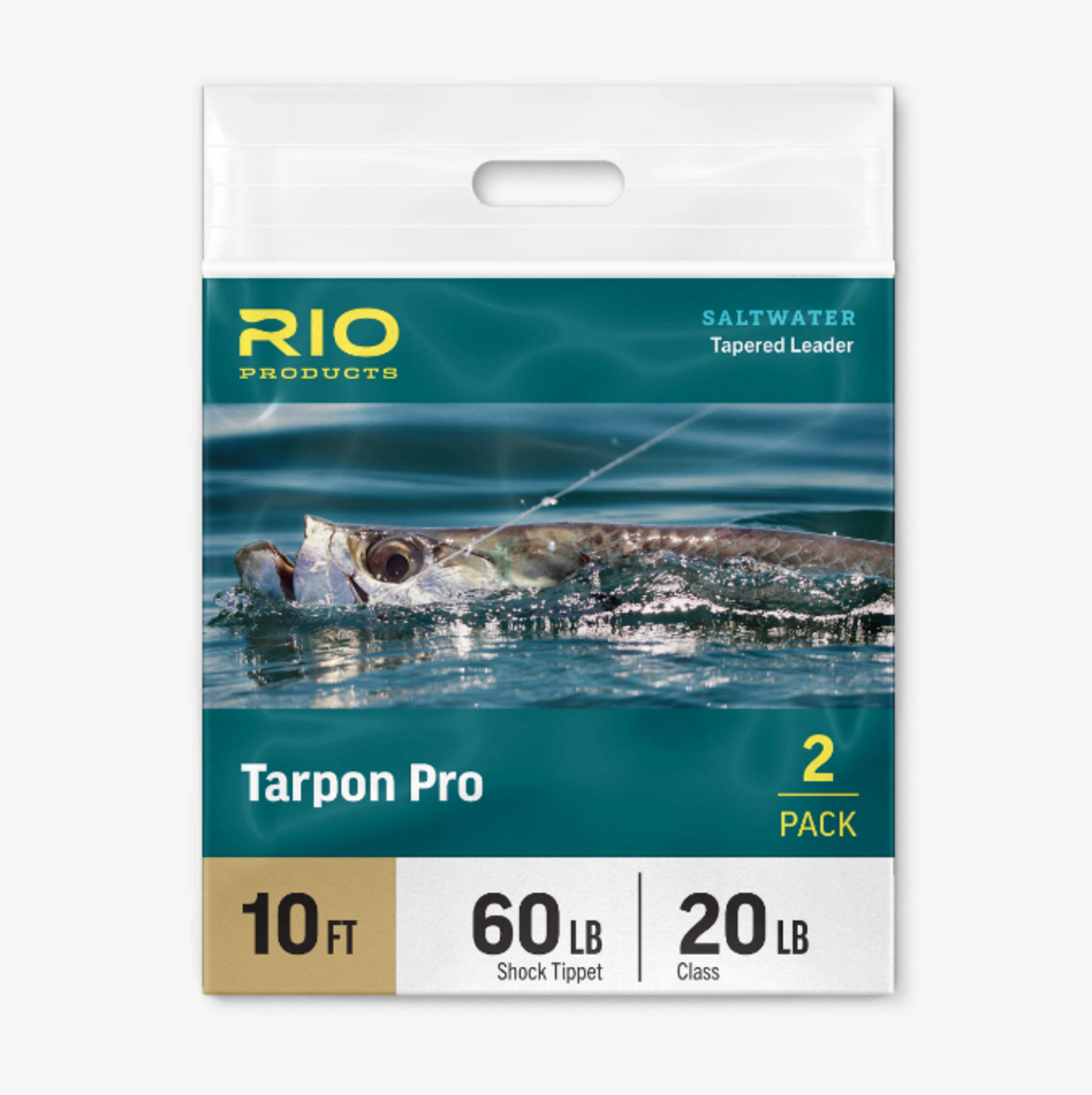
For ready-to-fish options, see Saltwater Leaders.
Tippet strength: balance abrasion and presentation
Redfish live around oysters, shell, and grass. Abrasion resistance matters. Typical starting points:
- 16–20 lb: a common standard for most redfish scenarios
- 12–16 lb: when fish are spooky and conditions are calm/clear
- 20–25 lb: heavier flies, nasty structure, bull reds, or aggressive bycatch
Fluorocarbon is popular for abrasion resistance and sink rate; nylon can be more forgiving and supple. Either can work—what matters is matching the tippet to fly size, water clarity, and structure.
Knots and connections
- Loop-to-loop for line to leader is fast and reliable if both loops are clean and strong.
- Non-slip loop knot on the fly helps baitfish patterns swim more naturally.
- Re-tie often after rubbing shell or landing fish.
Flies for Redfish: Proven Patterns and How to Choose
Redfish eat crabs, shrimp, and small baitfish. A good fly box doesn’t need to be huge—it needs to cover depth, bottom type, and mood. When in doubt, match the forage and pick the lightest fly that still gets down and stays in the fish’s window.
Top redfish fly categories
- Shrimp patterns: excellent search flies, especially when fish are cruising. Choose moderate weight for shallow water and heavier eyes for deeper edges.
- Crab patterns: deadly for tailing fish and those pinned to the bottom. Profile and landing softly matter.
- Baitfish patterns: ideal when reds are pushing mullet or hunting along grass lines and drains.
Weights and hook sizes
Carry multiple sink rates. The goal is controlled, not fast, descent—too heavy and you’ll snag or spook fish; too light and the fly never gets noticed.
- Unweighted/light for very shallow, calm water and spooky fish
- Medium lead eyes for most situations (a great “default”)
- Heavier eyes for deeper cuts, strong current, or wind-driven drift
Common hook sizes range from #2 to 1/0, with 2/0 useful for larger baitfish profiles or bigger fish. Prioritize strong, corrosion-resistant hooks.
Colors that consistently produce
- Tans and olives for crabs/shrimp in clear water
- White and chartreuse for baitfish and slightly stained water
- Darker tones (brown, black/purple accents) when you want silhouette in low light
- Putting It All Together: Example Inshore Fly Fishing Setups
Below are practical combos you can adapt to your local water. Think of them as starting templates rather than rigid rules.
All-around shallow flats setup
- Rod: 8 weight rod, fast to medium-fast
- Reel: quality saltwater fly reel with smooth drag
- Line: floating redfish fly line with a quick-loading head
- Leader/tippet: 9’ leader, 16–20 lb tippet
- Flies: medium-weight shrimp and crab patterns (#2–1/0)
Windy days and bigger flies
- Rod: 9 weight rod
- Reel: sealed or highly corrosion-resistant reel
- Line: aggressive floating taper designed for wind and big flies
- Leader/tippet: 9’ leader, 20 lb tippet
- Flies: heavier eyes, baitfish and crab patterns
Clear water, spooky fish
- Rod: 8 weight rod (or softer 9’ 8 wt if you prefer)
- Reel: smooth drag is critical
- Line: floating line with controlled presentation
- Leader/tippet: 10–12’ leader, 12–16 lb tippet
- Flies: lighter weight, smaller profile crabs/shrimp
Gear Details That Make a Big Difference
Polarized sunglasses and a good hat
Seeing fish is half the battle. Quality polarized lenses help you spot movement, bottom changes, and fish shape. Amber/copper lenses are popular for enhancing contrast on flats; gray can be excellent in bright sun.
Footwear for oysters and slick mud
If you wade, protect your feet and ankles. Oyster edges and shell can be sharp, and soft mud can steal boots. Choose wading shoes or flats boots with a secure fit and a sole that matches your terrain.
Line management
Most missed fish in shallow water aren’t from bad knots—they’re from line tangles at the shot. A stripping basket can help in surf or windy boat decks, and disciplined stripping coils (same size, same place every time) reduce heartbreak.
Care and Maintenance for Saltwater Fly Fishing Gear
Salt shortens the life of gear if you let it sit. A simple routine keeps your setup reliable:
- Rinse rod, reel, and line with fresh water after each day (gentle flow, not high pressure).
- Dry gear before storing to prevent corrosion and mildew.
- Check line and leader for nicks; replace when rough.
- Clean the fly line periodically to maintain slickness and casting performance.
Common Redfish Setup Mistakes (and Easy Fixes)
Using flies that are too heavy for the depth
Heavy eyes in 8 inches of water often equal spooked fish and constant snagging. Fix: carry the same pattern in multiple weights and start light.
Leader too long for the wind
A 12’ leader can be great on calm days, but it can collapse in wind and ruin turnover. Fix: shorten to 9’ and increase tippet diameter slightly.
Underestimating drag smoothness
A reel that starts up jerky can break tippet on the first surge. Fix: choose a reel with proven drag performance and keep it clean.
Choosing line by “general weight” instead of fishing reality
Some lines are built for long casts; others are built for quick shots. Fix: match the taper to how you actually cast redfish—often 30–60 feet with wind and bigger flies.
A Simple Checklist Before You Hit the Flats
- Rod (8 or 9 weight rod), rigged and clean
- Saltwater fly reel with backing, drag tested
- Floating redfish fly line cleaned and stretched
- Leaders (9–12’) and spare tippet spools
- Fly box with shrimp, crab, and baitfish in multiple weights
- Nippers, pliers, and a small spool of shock/tippet for quick changes
- Polarized glasses and appropriate footwear
Explore Redfish-Specific Gear
If you’d like to see a curated assortment for building or refining your redfish fly setup, you can browse the Redfish collection, along with the shop’s Saltwater Recommended Rods, Saltwater Recommended Reels, and Saltwater Leaders to round out an inshore-ready kit.
With the right rod, a dependable reel, a purpose-built redfish fly line, and a small selection of well-chosen flies, you’ll spend less time fighting your equipment and more time making good shots—exactly what redfish demand.
Recent articles
View all
How to Set Up a Fly Reel: Backing, Line, and Leader
Fly Reel Size Chart: How to Match Your Reel to Your Rod