Targeting Multiple Saltwater Species: From Redfish to Stripers and Beyond
Why multi-species saltwater fly fishing is so effective
Saltwater fly fishing rewards anglers who stay flexible. Tides shift, wind changes, bait moves, and a flat that looked perfect at sunrise can go quiet by mid-morning. The best way to keep catching is to think in terms of opportunities rather than a single target. That’s the appeal of multi-species fly fishing: you can spend the same day hunting redfish on grass edges, probing oyster points for speckled trout, then finishing in an inlet where stripers or jacks push bait.
There’s also a practical side. Many of the most accessible saltwater fly fishing species live in overlapping water: bays, marshes, sounds, and beaches that are reachable without a skiff and fishable from shore, kayak, or wading. If you set up correctly, you don’t need a quiver of rods to cover a wide range of fish. A thoughtful one rod saltwater setup can handle most inshore and coastal scenarios.
Key idea: match your approach to the water type
Before you think about species, think about where you’ll spend the most time. In the Southeast and Mid-Atlantic, many anglers bounce between three broad environments:
- Marsh and shallow bays (inshore fly fishing): redfish, speckled trout, flounder, black drum, juvenile tarpon, snook (farther south).
- Beaches, inlets, and nearshore rips (coastal fly fishing): stripers, false albacore (seasonal), bluefish, Spanish mackerel, jacks.
- Clear flats and tropical lagoons: bonefish, permit (more specialized), small tarpon, barracuda.
The overlap is bigger than most anglers expect. A solid setup and a small, well-chosen fly box can let you pivot quickly when conditions or fish behavior change.
The “one rod” question: why a 9-weight is the sweet spot
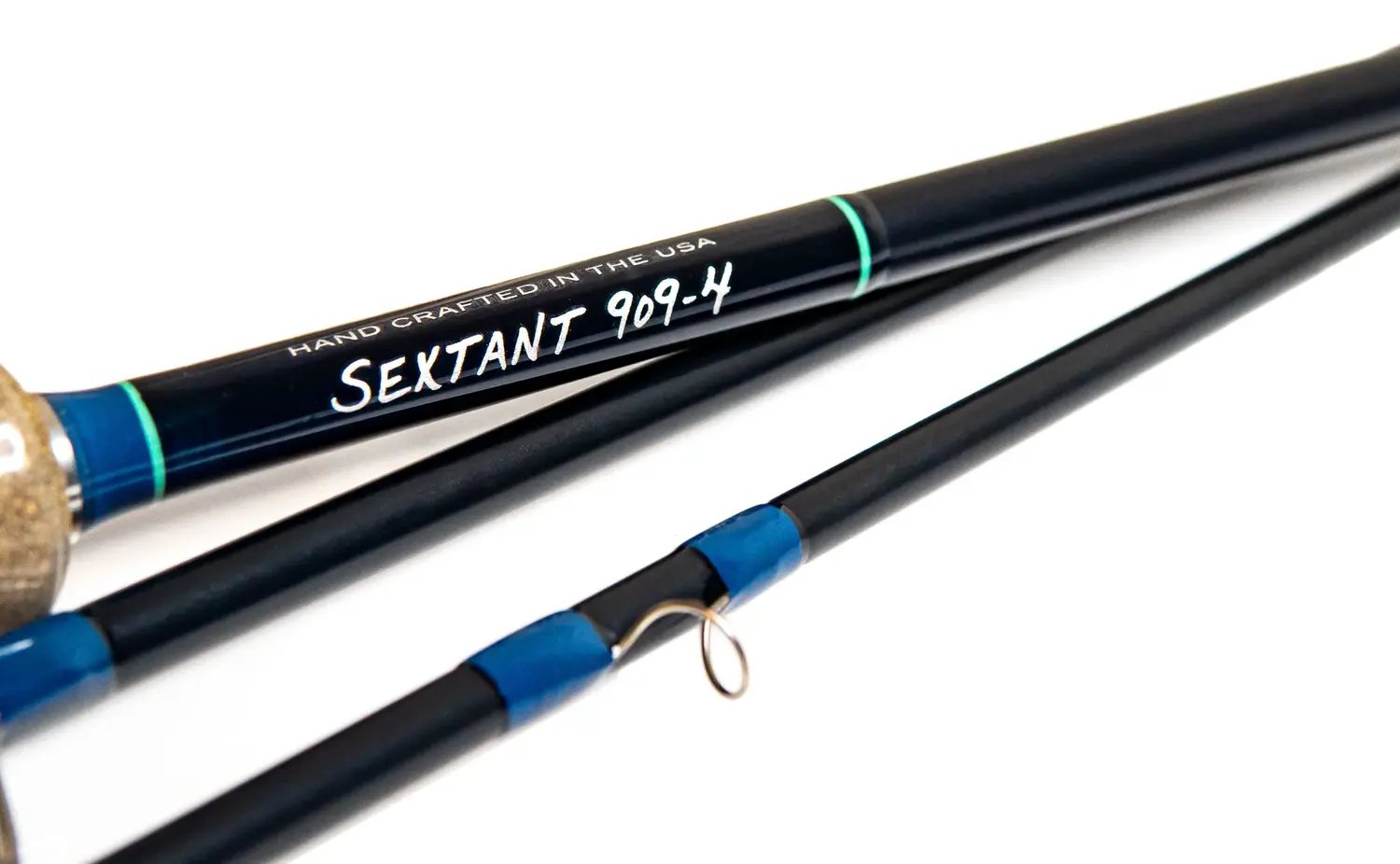
If you could own only one tool for a wide range of inshore and nearshore fishing, the conversation almost always lands on a 9-weight. The reason is simple: 9 weight fly rod versatility is hard to beat. A 9-weight has enough backbone to handle strong fish in current, enough mass to turn over wind-resistant flies, and enough finesse to still be enjoyable on mid-sized targets.
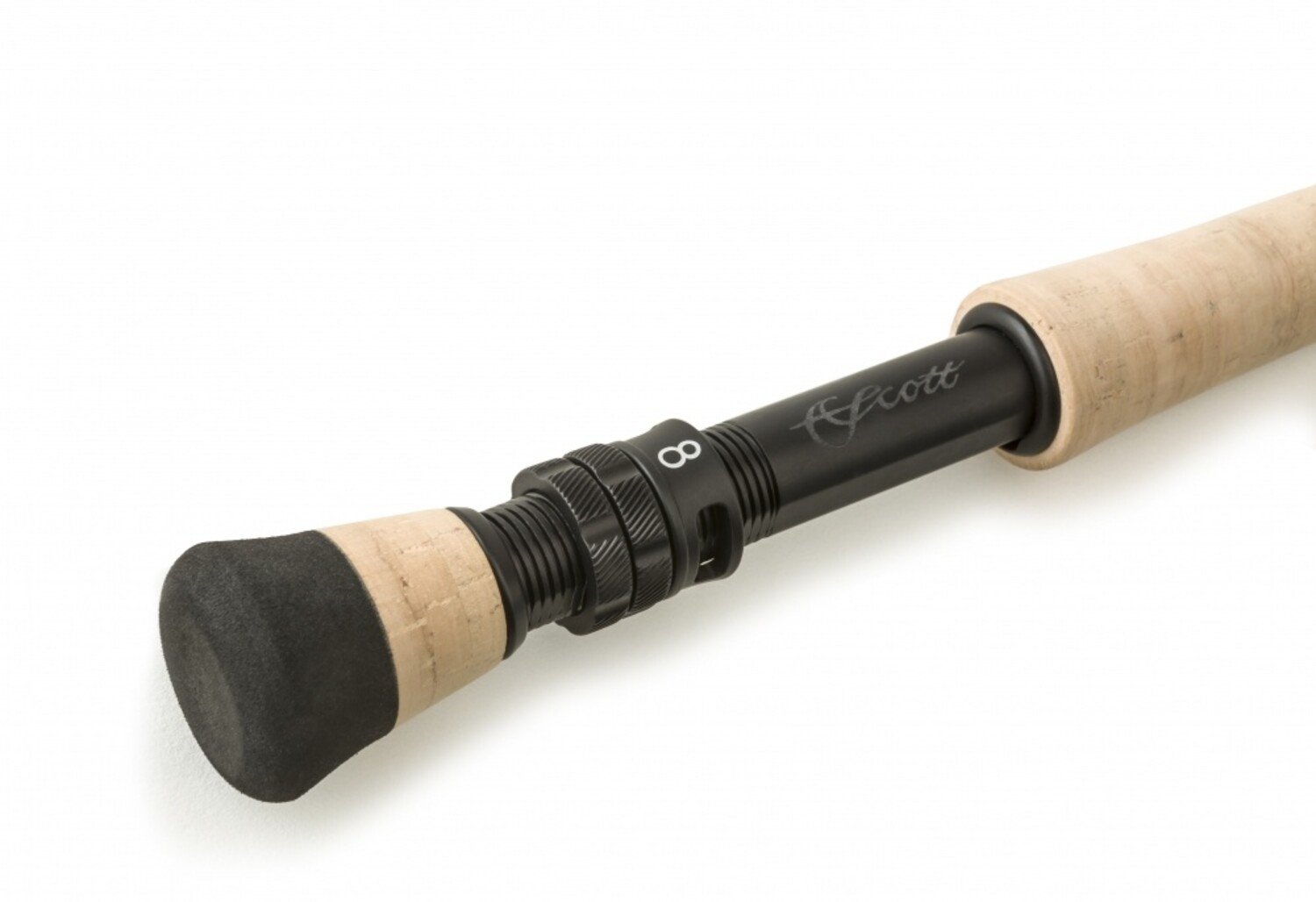
A 9-weight shines when:
- Wind is a factor (which is most saltwater days).
- You need to throw larger patterns: baitfish flies, crabs, or bulky shrimp.
- You might hook something bigger than planned—slot reds one minute, a surprise jack the next.
That doesn’t mean it’s perfect for every scenario. If your season is mostly schoolie stripers and trout on calm mornings, an 8-weight can feel lighter and more fun. If you’re regularly targeting adult tarpon or big bull reds in heavy current, a 10- or 11-weight is more comfortable. But for the angler who wants maximum coverage with minimum complexity, the 9-weight is the most dependable middle ground.
Line choices that expand your range
If you want one rod to behave like two, your fly line strategy matters as much as the rod. For multi-species use, consider two lines (or at least two spools) over time:
- Floating line: the default for inshore fly fishing—sight fishing, shallow marsh, skinny flats, surface activity, and most redfish scenarios.
- Intermediate sink (or sink tip): ideal for inlets, beaches, deeper troughs, and when fish are holding under bait schools or current seams.
A floating line can still catch fish in deeper water if you adjust leader length and fly weight, but an intermediate line dramatically improves control and hookup rates when fish are subsurface and current is sweeping your swing.
Leaders, tippet, and bite protection: keep it simple
Saltwater leaders don’t need to be complicated, but they do need to match the job. If you’re building a streamlined system for multiple saltwater fly fishing species, start with these guidelines:
- Inshore reds/trout/black drum: 8–10 foot leader, often finishing in 12–20 lb class tippet depending on water clarity and fly size.
- Stripers and bluefish around structure: step up abrasion resistance; 16–25 lb class tippet is common, especially near rocks, docks, and jetties.
- Toothy fish (bluefish, mackerel): add bite tippet. That may be wire or heavy mono/fluoro depending on the species and your tolerance for bite-offs.
A simple approach is to carry pre-tied leaders for your primary scenario and add tippet as needed. When you’re hopping between marsh drains and beach troughs, time spent tying elaborate leaders is time not spent fishing.
Flies that cover the most species with the least bulk
A multi-species saltwater fly box doesn’t need to be huge. It needs to be intentional. Most inshore and coastal fish are opportunistic predators; if your fly looks like what’s naturally present—shrimp, small crabs, or baitfish—you’re in the game.
Core patterns for inshore fly fishing
- Shrimp patterns: the bread-and-butter for redfish and speckled trout. Keep both lightly weighted (skinny water) and moderately weighted (deeper edges).
- Small crab patterns: valuable for redfish, black drum, and sheepshead in the right situations.
- Simple baitfish: small white/olive and tan versions imitate mullet, menhaden, and glass minnows.
Core patterns for coastal fly fishing
- Baitfish streamers: longer profiles for stripers, blues, and jacks, especially around rips and inlets.
- Topwater options: when fish are pushing bait on calm mornings or over shallow bars, a surface fly can outfish everything else.
Color doesn’t have to be a rabbit hole. For most coastal fly fishing, a small palette goes far: white, olive, tan, and a darker option for low light. Focus more on matching size and sink rate to the depth and speed of the water.
Species game plans: redfish, stripers, and the “beyond” list
You can fish for multiple species in a single outing by recognizing feeding behavior and adjusting retrieves, fly weight, and where you place the cast. Here are practical approaches that translate well across regions.
Redfish: shallow water, deliberate presentations
Redfish are a cornerstone of inshore fly fishing because they’re accessible and patternable. In marsh ponds, along grass edges, and around oyster bars, they often feed with their heads down and their attention on crabs and shrimp.
- Where to look: moving water along grass, creek mouths, muddy edges, and windblown shorelines that stack bait.
- What to throw: shrimp or small crab patterns; choose weight based on depth and bottom type.
- How to retrieve: short strips with pauses. Often the pause is the trigger.
If you want to dive deeper into gear and tactics aimed specifically at reds, see the Redfish collection.
Stripers: current, structure, and consistent feeding windows
Stripers can be remarkably cooperative when tide and bait align. They relate to current breaks, structure, and funnels—places where they can feed efficiently. For many anglers, stripers are the gateway species that proves how effective coastal fly fishing can be with the right line and fly profile.
- Where to look: inlets, bridges, rock piles, points, and rips where bait gets pinned.
- What to throw: baitfish patterns with enough profile to stand out in moving water.
- How to retrieve: steady strips, swing-and-strip, or let the current animate the fly. Adjust speed until you find the cadence.
- For species-specific setup ideas, browse the Stripers collection.
Speckled trout, flounder, and black drum: the inshore “bonus” fish
One of the joys of multi-species fly fishing is that a redfish flat often holds other targets. Speckled trout slide along drop-offs and drains; flounder sit on the bottom near ambush points; black drum root for crabs in similar areas as reds.
- Trout: think moving water and edges; baitfish and shrimp both work.
- Flounder: slow down and keep the fly near bottom; slightly heavier flies help.
- Black drum: crab patterns and a patient presentation can make your day.
- When you build a one-rod saltwater setup around these species, you’re rarely “stuck” if redfish don’t show. You simply shift to drains, depth changes, and current seams.
Tarpon and bonefish: when your “one rod” meets a destination
Some species are less about local convenience and more about purpose-built travel. That said, plenty of anglers get their first shots at tarpon or bonefish with gear they already own—especially when the fish are smaller or conditions are friendly.
Tarpon demand line control, strong knots, and a reel/drag you trust. If you’re exploring these fisheries, the Tarpon collection is a helpful starting point for thinking through tackle and rigging.
Bonefish are often associated with tropical flats, clear water, and long leaders. An 8- or 9-weight can work depending on wind and fly size. If bonefish trips are on your list of saltwater fly destinations, see the Bonefish collection for gear considerations.
Reels and drag: the part people regret skimping on
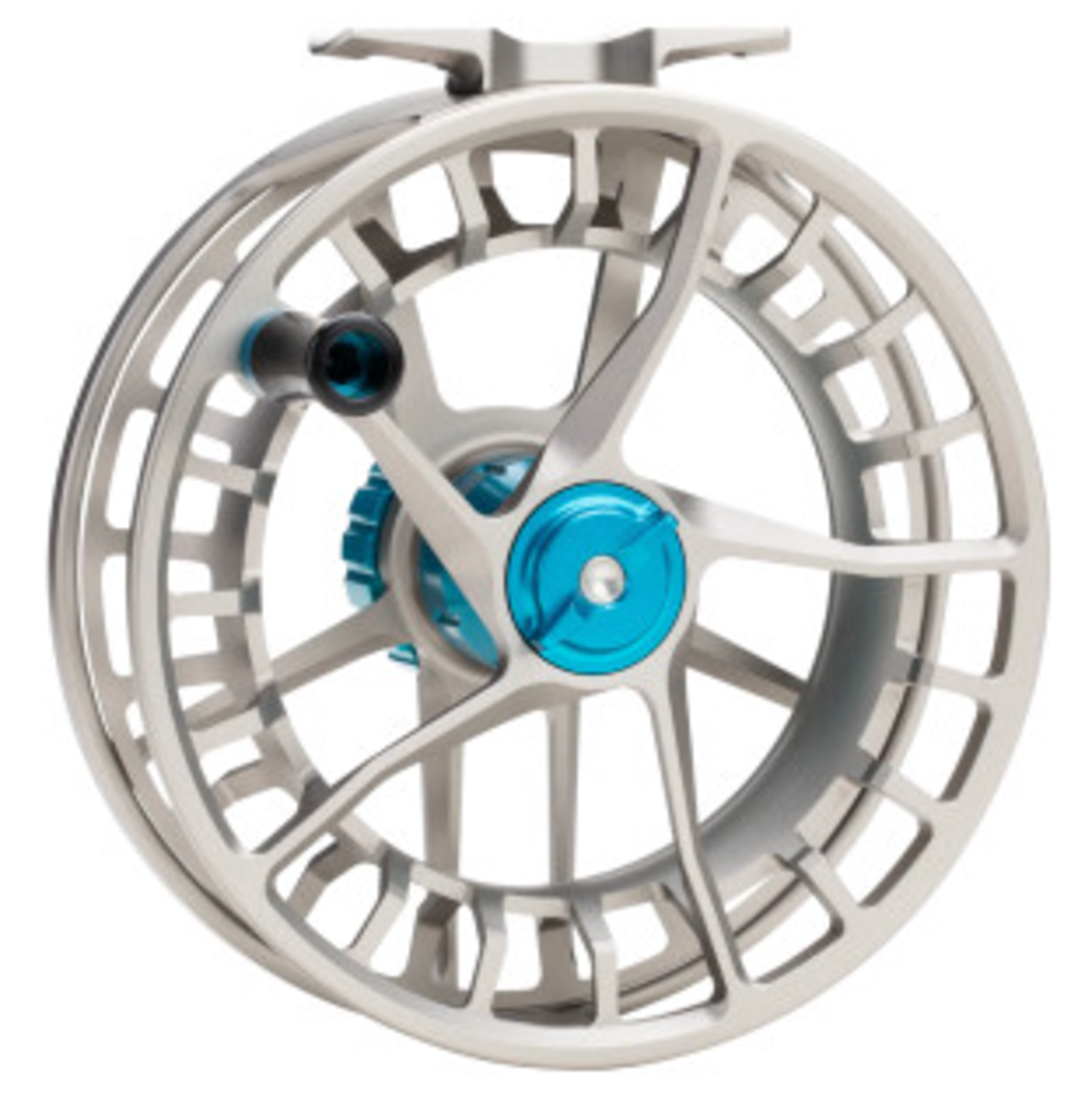
In freshwater, you can sometimes get away with a “good enough” reel. In saltwater, a reliable drag and corrosion resistance matter more because runs are longer, fish are stronger, and sand/salt find every weakness.
For a multi-species approach, prioritize:
- Sealed or highly water-resistant drag for grit and spray.
- Capacity for backing (especially for stripers in current and any chance of tarpon).
- Easy maintenance and durable finishes.
If you’re comparing options, the Fly Reels page highlights reels suited to saltwater use.
Skills that matter more than species: casting, spotting, and boat/shore positioning
The most transferable “multi-species” advantage isn’t a specific fly. It’s the ability to put the fly in the right place quickly. A few skills pay off across nearly all saltwater fly fishing species:
- Wind management: learn a compact casting stroke and practice backhand deliveries so you’re not always switching shoulders.
- Quick shots: many opportunities appear and vanish in seconds—especially with redfish and cruising fish on flats.
- Line control: keep slack manageable so you can strip-set and stay connected.
- Angle discipline: whether wading a flat or fishing an inlet, angle determines sink rate, swing speed, and how naturally the fly moves.
If you can cast efficiently into the wind, manage line at your feet, and present at the right angle, your “species list” expands automatically.
Choosing saltwater fly destinations with multi-species in mind
If your goal is variety, pick destinations where habitats overlap. Marshes meet beaches. Flats sit near channels. Rivers dump into sounds. These transitions create options when conditions change.
- Marsh-to-inlet systems: excellent for redfish, trout, flounder, and opportunistic coastal species on the same trip.
- Barrier island chains: give you beaches, back bays, and cuts; the wind often dictates which side is fishable.
- Tropical flats with nearby deeper water: let you mix bonefish-style fishing with shots at larger predators depending on season.
When planning travel, think less about a single trophy and more about the range of water you can access in a given wind and tide cycle. That’s how you stack the odds in favor of consistent action.
Putting it all together: a practical multi-species framework
If you want a simple system you can repeat across regions, use this checklist:
- Start with a 9-weight as your do-it-all rod for inshore and coastal fly fishing.
- Carry (or plan for) two lines: floating for shallow work, intermediate for current and depth.
- Build a small fly box around shrimp, small crabs, and baitfish in a few core colors.
- Adjust leader strength to structure and abrasion, not just fish size.
- Let conditions pick the species: if sight-fishing is tough, fish drains; if the marsh is slow, try an inlet; if the wind howls, choose heavier flies and shorter casts.
This approach keeps you fishing effectively even when the original plan falls apart—which is often the difference between an empty day and a memorable one.
Recent articles
View all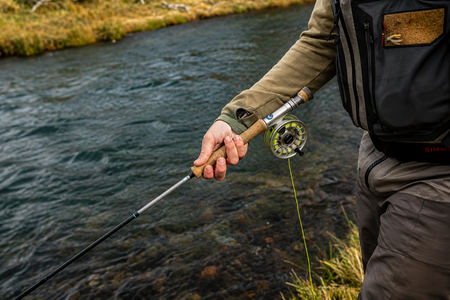
How to Set Up a Fly Reel: Backing, Line, and Leader
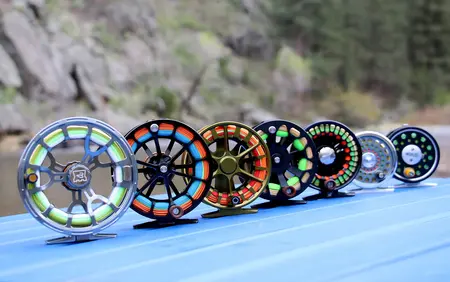
Fly Reel Size Chart: How to Match Your Reel to Your Rod