Redfish on the Fly: A Complete Guide to Sight Fishing the Southeast Coast
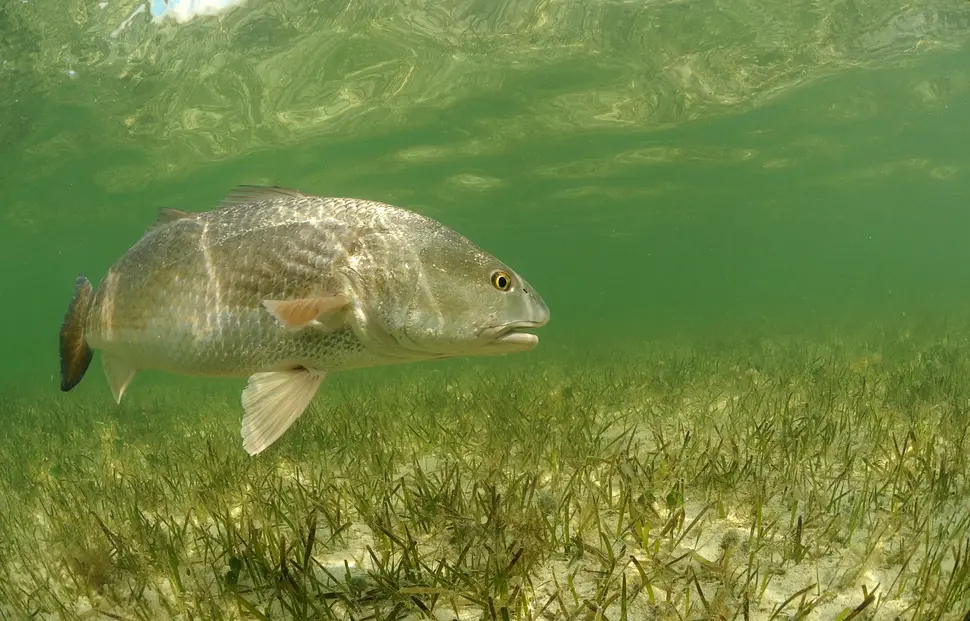
Few things in saltwater feel as personal as sight fishing redfish. You’re not blind-casting and hoping—you're hunting. You spot a copper back sliding across a flooded flat, lead the fish with a clean presentation, and watch the eat happen in skinny water. Along the Southeast coast, from marsh creeks to oyster-lined flats, redfish are tailor-made for anglers who like stalking, accurate casts, and solving tide-driven puzzles.
This guide covers the fundamentals of redfish on the fly for the Southeast: where fish live through the tide cycle, how to approach without blowing them out, what gear actually matters, and which redfish fly patterns earn a permanent spot in your box. The goal is simple: help you make better decisions on the water—especially when the fish are right in front of you.
Why sight fishing redfish is different
Inshore fly fishing rewards small, correct choices. Redfish are often in shallow, clear water where they can see you, your fly line, and any mistake in your approach. That means success comes from:
- Reading water and fish behavior rather than covering miles of shoreline.
- Timing your day around redfish tides instead of “best time = early/late.”
- Making the first cast count with accurate, quiet presentations.
When it comes together, it feels like bowhunting with a fly rod: close range, high stakes, and a clear connection between skill and outcome.
Understanding redfish tides on the Southeast coast
Tide is the engine of redfish movement in marsh country. On much of the Southeast coast, tidal swings can be dramatic, and fish use that water like a highway. If you learn where redfish go on each stage, you’ll find more fish and spend less time guessing.
High tide: flooded grass and hunting mode
On higher water, redfish push shallow—often into spartina grass, flooded edges, and backwater ponds—to forage on crabs and shrimp. This is classic sight fishing redfish territory, but it can be challenging: fish may be spread out, and shots can be close and quick.
- Look for: pushing wakes, nervous water, tails, and “copper flashes” along grass edges.
- Best plays: stake out a high-percentage edge or drain mouth and wait for movement rather than wandering noisily.
- Common mistake: walking too high on the bank or wading into the flat and pushing fish before you ever see them.
Falling tide: drains, creek mouths, and predictable lanes
The falling tide concentrates fish. Bait gets pulled off the flats and funnels through small cuts, feeder creeks, and drain mouths. If you’re learning coastal fly fishing Georgia or any similar marsh system, the falling tide is often the most “patternable” period.
- Look for: moving water, foam lines, pinch points, oyster points, and bait exiting grass lines.
- Best plays: post up where multiple drains converge; cover lanes with quiet, controlled casts.
- Common mistake: standing too close to the drain and lining fish with your fly line.
Low tide: channels, mud, and spooky fish
At dead low, many fish drop into deeper creeks and channels. Sight fishing can still be excellent when water clarity is good—especially on sunny days where you can see fish sliding edges or laid up on mud. But fish are often more wary and the angles are tighter.
- Look for: redfish “laid up” on soft mud, schools along channel edges, and wakes moving between deeper pockets.
- Best plays: long leaders, accurate lead casts, and flies that land softly.
- Common mistake: trying to force shots at fish that are facing you in skinny, clear water.
Rising tide: reloading the flats
As water returns, fish often stage near the first available access: creek mouths, the base of grass lines, and small cuts that become passable again. This can be a prime time for sight fishing because fish are moving with purpose and you can intercept them.
- Look for: fish tracking the new edge line, wakes moving into ponds, and bait re-entering the grass.
- Best plays: hunt edges and ambush points; anticipate travel routes.
Where to look: the Southeast “redfish map”
Across the Southeast, redfish relate to a few repeatable features. Learn these and you’ll feel less lost in endless marsh.
- Oyster bars and points: redfish cruise edges looking for crabs. Cast parallel, not straight at the bar.
- Spartina edges: especially on higher water. Watch for subtle pushes rather than obvious tails.
- Drains and cuts: the conveyor belts of the marsh during falling water.
- Sand pockets and potholes: fish will slide from dark bottom to light bottom—easy to spot if you move slowly.
- Warm, dark mud: in cooler months, fish may lay up where the sun warms the bottom.
Approach and stealth: the unseen skill in redfish fly fishing
Most missed opportunities in redfish fly fishing aren’t because the fly is wrong—they’re because the fish never had a fair chance to eat. Your approach matters as much as your cast.
- Use the sun: keep the sun at your back or shoulder for visibility, but avoid casting a shadow over the fish.
- Slow down: take two steps, stop, scan, then move again. Many anglers walk past fish they never paused long enough to see.
- Mind your noise: shuffle less on shell, avoid bumping the boat, and keep false casts to a minimum.
- Plan the shot: before you cast, decide where the fish will be when your fly lands and how you’ll retrieve.
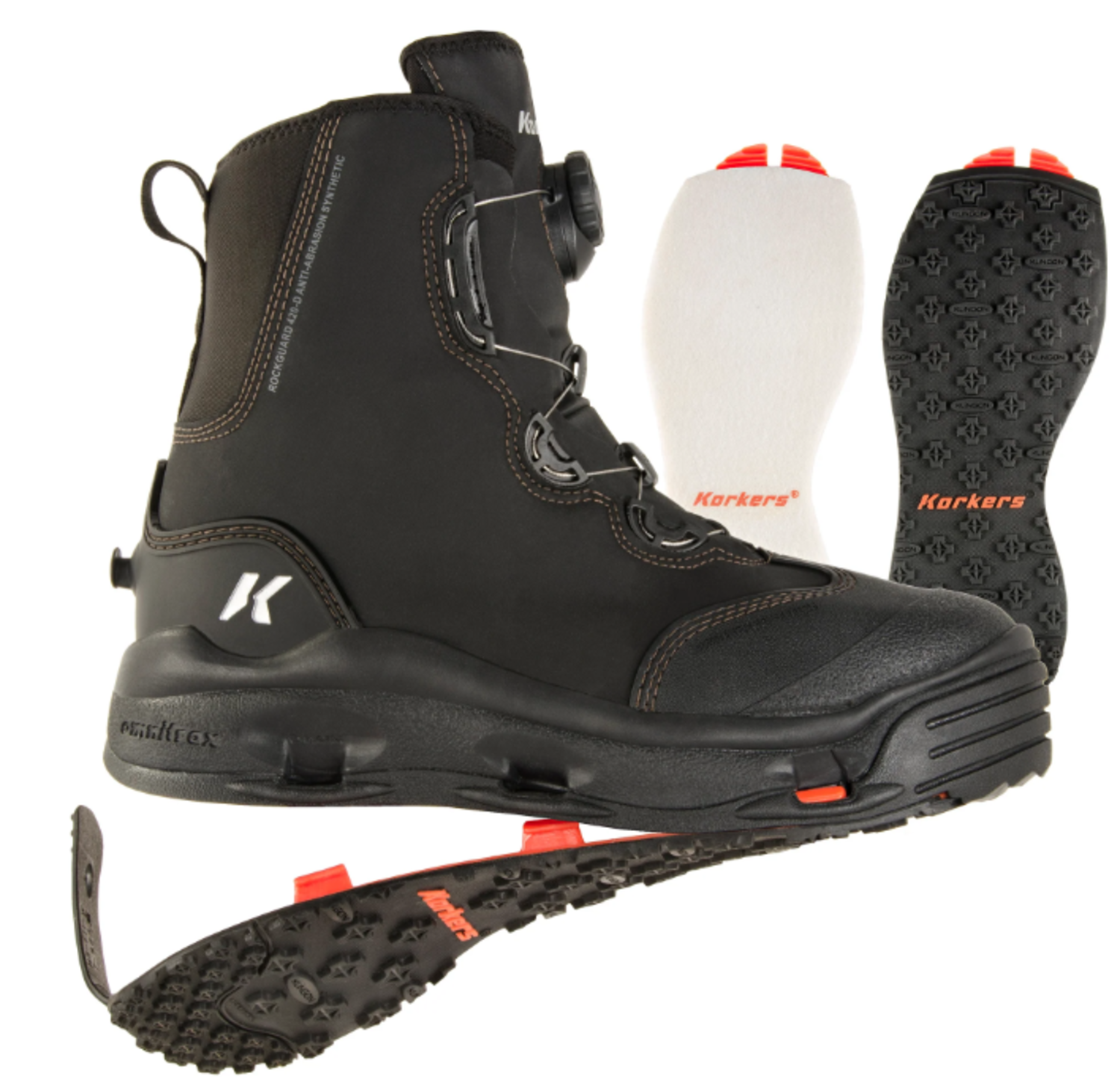
If you’re wading, traction and ankle support matter on shell and mud. A solid pair of boots can be more than comfort—it’s confidence and safety when you’re focused on spotting fish instead of watching every step. See options here: Wading Boots.
Gear that matters for inshore fly fishing
You can catch redfish with a range of setups, but sight fishing rewards gear that helps you deliver one accurate cast, quickly, with minimal false casting.
Rod and line weights
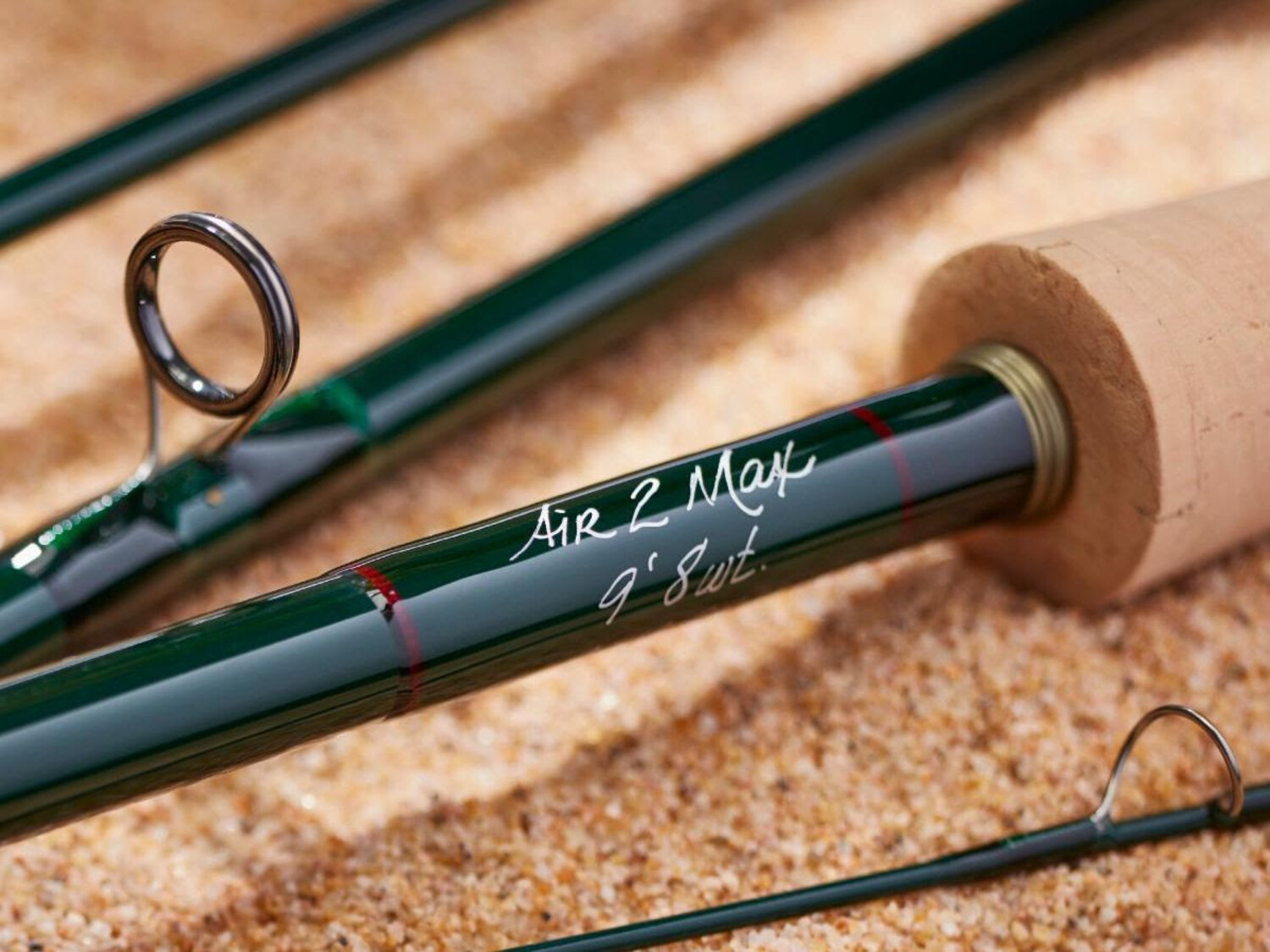
- 7–8 weight: a go-to for most Southeast redfish. Enough backbone for wind and bigger flies, still fun in shallow water.
- 9 weight: useful when wind is consistent, fish are larger, or you’re throwing heavier patterns.
Action preference is personal, but fast to medium-fast rods make it easier to pick up and re-cast quickly when a fish changes direction.
Reels and backing
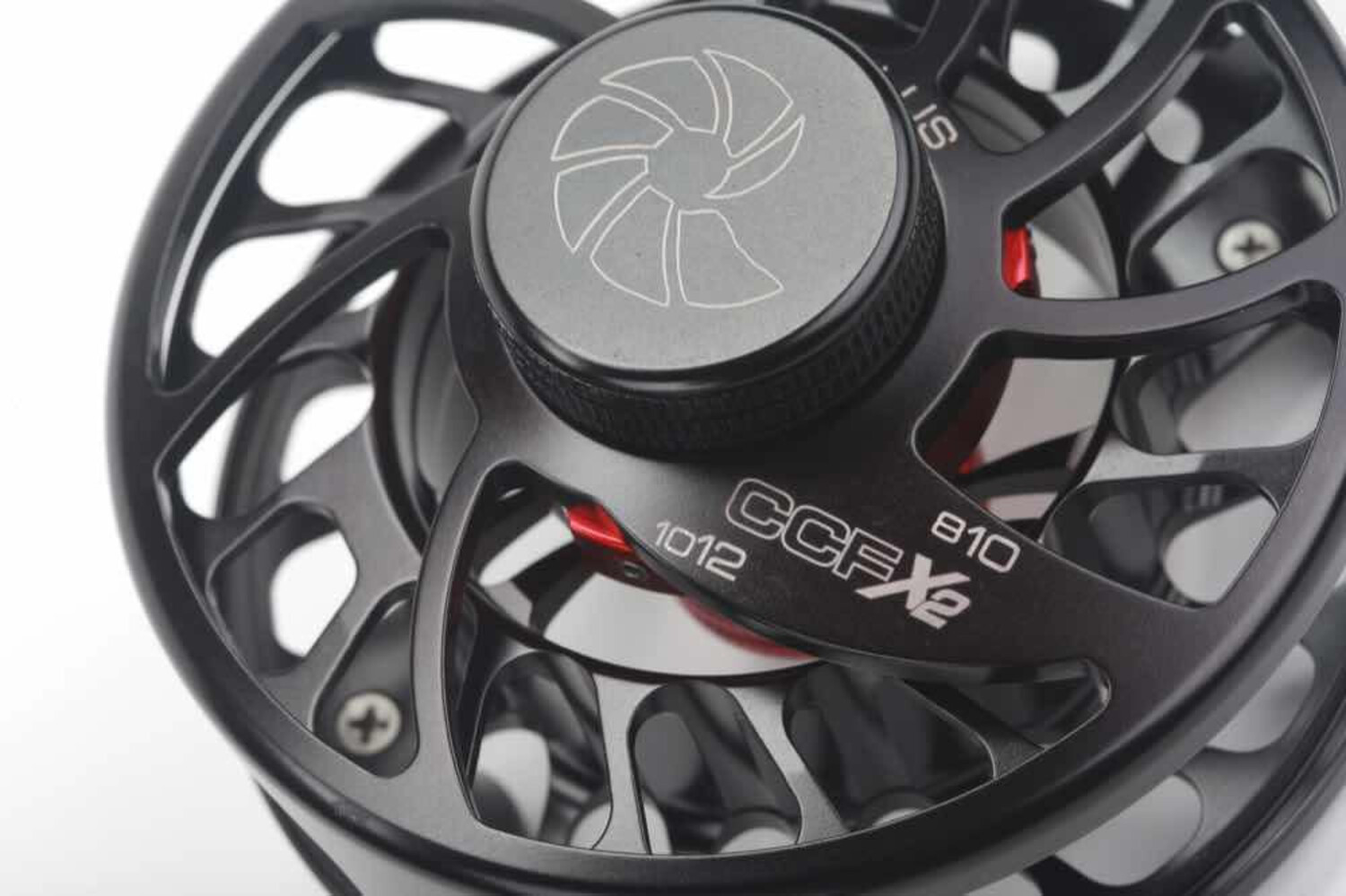
Redfish don’t always run like bonefish, but they can surge hard—especially in current near creek mouths. A sealed drag is a big plus in salt. If you’re building a dedicated setup, start with proven saltwater options: Saltwater Recommended Reels.
- Backing: 150–200 yards of 20 lb is common for 7–8 wt setups.
- Drag: smooth startup matters more than maximum strength.
Fly lines for redfish
A purpose-built inshore taper helps you turn over flies in wind and present at close range without excessive false casting. Many anglers prefer lines designed to load quickly and handle warm, humid conditions.
One dependable choice is the Rio Premier Redfish Fly Line, built for short-to-midrange shots and typical redfish patterns.
Leaders and tippet
Keep it simple and adjust to clarity and pressure.
- Typical leader: 9 feet.
- Tippet: 16–20 lb fluorocarbon is common; lighter for clear, calm water; heavier around oysters.
- Abrasion resistance matters around shell. Check and re-tie often—especially after dragging a fly over an oyster edge or after a fish rubs the leader in current.
Redfish fly patterns: what to carry and why
The best redfish fly patterns do three things well: land softly, ride hook point up (or at least avoid snagging), and look like the local groceries—shrimp, crabs, and small baitfish. Color matters, but profile and weight often matter more.
Must-have categories
- Shrimp patterns: excellent when fish are cruising edges. Choose moderate weight for controlled sink without a loud splash.
- Crab patterns: key around oyster and mud when fish are rooting. A slow, subtle crawl can outfish everything else.
- Baitfish patterns: great in slightly deeper creeks, moving water, and when reds are chasing.
Color and weight guidelines
- Clear water: tan, olive, light brown, and natural translucent tones.
- Stained water: darker silhouettes (brown, black/purple) or a hint of chartreuse for visibility.
- Shallow flooded grass: lighter weight to avoid spooking fish; consider weed guards.
- Drains and current: heavier eyes help get down quickly, but avoid over-weighting if fish are shallow.
If you’re building a box specifically for redfish on the fly, focus on a handful of proven patterns in multiple weights rather than dozens of one-offs. A small, well-chosen selection covers most scenarios. For a curated starting point, browse: Redfish.
How to make the cast: leading, landing, and retrieving
Sight fishing is a timing game. Your goal is to put the fly where the fish will notice it naturally—without lining or spooking it.
Leading distance: a practical rule
Lead cruising fish enough that your fly can sink and settle before the fish arrives.
- Slow fish in shallow water: 2–4 feet ahead can be enough.
- Faster cruising fish: 4–8 feet ahead is common.
- Deeper edges or heavier flies: lead more to allow sink time.
If the fish changes direction often, wait for a better angle. A rushed cast at a bad angle is usually worse than no cast.
Presentation and retrieve cues
- Make it easy: one or two short strips as the fish closes can be perfect.
- Pause is powerful: many eats happen when the fly stops moving.
- Match mood: aggressive fish like a fleeing baitfish; laid-up fish often prefer a subtle nudge.
Watch the fish, not the fly. If the fish tips down, speeds up, or flares its gills, be ready to strip-strike.
Strip-strike and staying tight
In saltwater, lifting the rod to set the hook often pulls the fly away. Use a firm strip-strike with the line hand, then raise the rod once you feel solid weight. Keep pressure steady and be ready for a second surge—many redfish run hardest after they realize they’re hooked.
Common sight-fishing mistakes (and how to fix them)
- Too much false casting: it creates motion overhead and wastes time. Practice picking up and delivering in one or two false casts.
- Landing the line over the fish: lead more and cast from better angles; keep the line off the fish’s path.
- Over-weighting the fly: heavy eyes can spook shallow fish. Carry multiple weights of the same pattern.
- Retrieving too fast: when in doubt, slow down and add pauses.
- Ignoring the tide clock: plan around redfish tides so you’re in the right zone at the right time.
Seasonal notes for the Southeast
Redfish are available year-round in many areas, but behavior changes with temperature, water clarity, and bait.
- Fall: often prime time—comfortable temps, active fish, and strong feeding windows.
- Winter: look for warmer, darker bottoms and calmer days; fish may school and be more selective.
- Spring: warming water brings more movement; rising tides can be excellent for hunting edges.
- Summer: early and late can be best; handle fish quickly and release thoughtfully in hot water.
Putting it all together: a simple game plan
If you’re heading out for a day of inshore fly fishing with sight fishing in mind, keep your plan tight:
- Pick a tide stage you can fish confidently (falling tide is a great teacher).
- Choose structure that matches that stage (drains on the fall, grass edges on high water).
- Commit to stealth and scanning—pause more than you walk.
- Carry a small rotation of flies in multiple weights: shrimp, crab, baitfish.
- Make the first cast count by leading properly and keeping the line out of the fish’s lane.
With those fundamentals, redfish become less mysterious and more consistent. And when you finally spot that first tailing fish of the day and the fly disappears in a puff of mud, you’ll understand why so many anglers get hooked on redfish on the fly along the Southeast coast.
Recent articles
View all
How to Set Up a Fly Reel: Backing, Line, and Leader
Fly Reel Size Chart: How to Match Your Reel to Your Rod