Fall Streamer Fishing for Trout: Why You Need a 6-7 Weight Rod
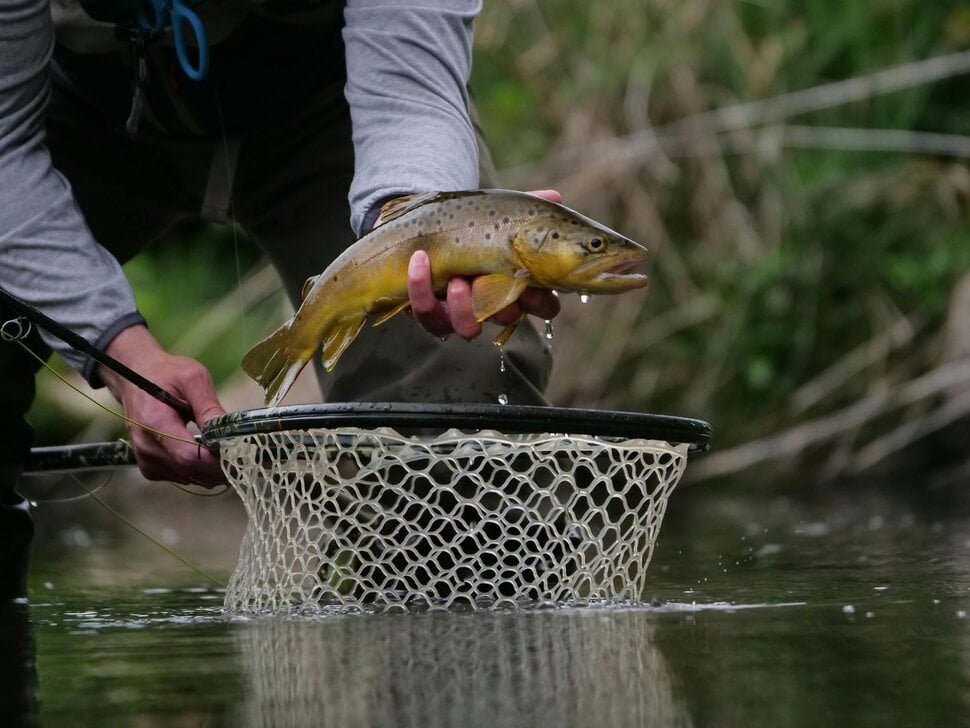
Sometime in October — usually after the first cold front pushes through and the water temperature drops below 55 degrees — the fish change. The brown trout that spent all summer hiding under the same log, refusing everything you threw at him, suddenly wants to chase a five-inch black streamer across the current seam. He moves. He commits. He crashes it.
That's fall trout fishing on streamers. And if you've never experienced it, it's worth rearranging your schedule for.
The only problem is that the rod you've been fishing all summer probably isn't built for it. Here's why — and how to fix it before the season peaks.
Why Fall Is the Best Time for Big Trout on Streamers
Trout are cold-blooded. When water temperatures drop in September and October, their metabolism shifts. They need to eat more, and they need to eat big. Small flies stop making sense. A meal has to be worth the energy.
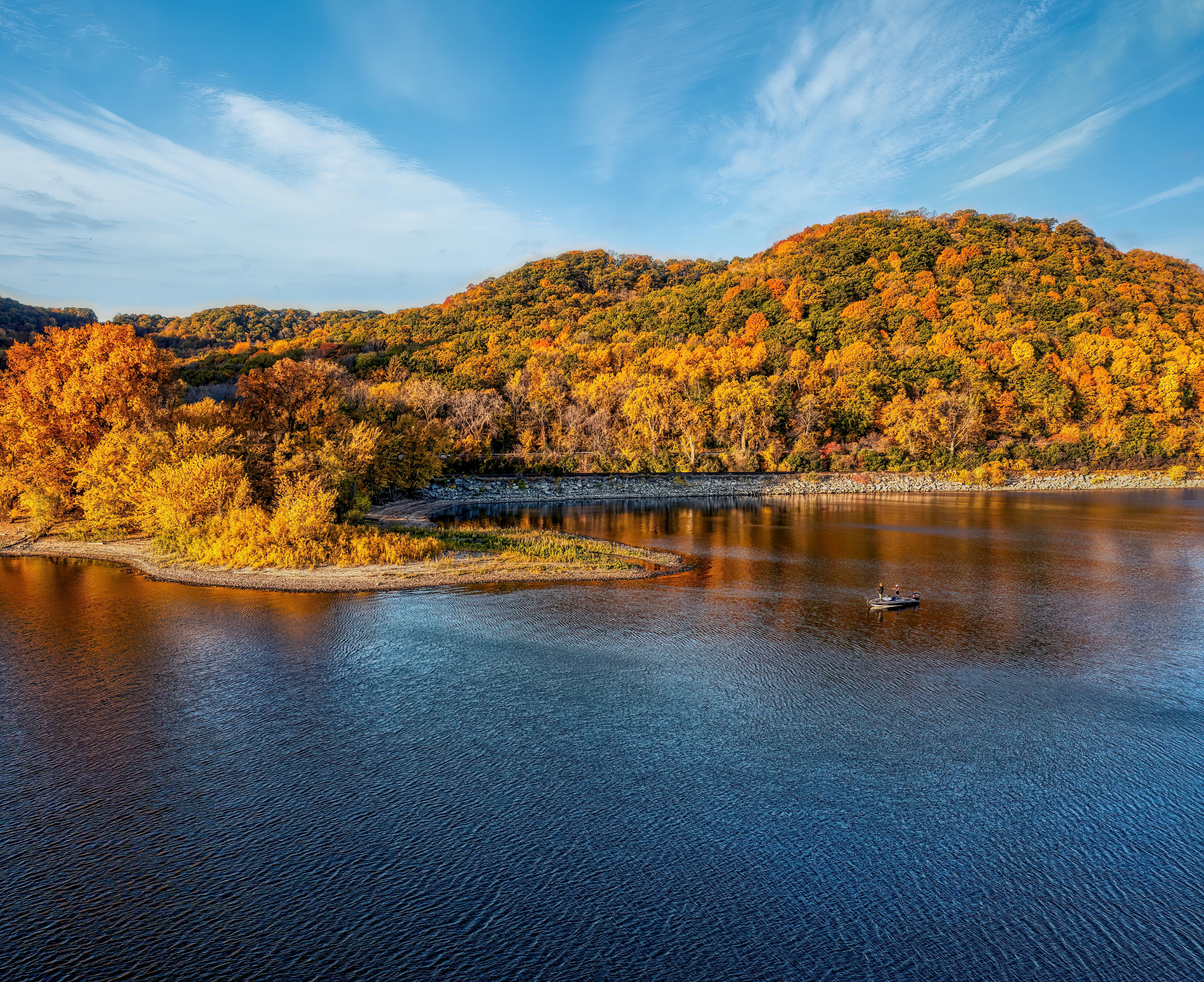
That's why fall is prime streamer season. Big browns move out of their summer lies and start hunting in shallower water — the flats, the tailouts, the cut banks. They're aggressive, territorial, and a lot less careful than they are in July.
In Georgia and western North Carolina, the sweet spot is usually mid-October through Thanksgiving. The Toccoa, the Davidson, the South Holston — these rivers produce their biggest fish of the year in those six weeks.
Why Your 5-Weight Isn't the Right Tool
A 5-weight is one of the great all-around fly rods. But asking it to throw streamers is like using a baitcasting rod to drop a dry fly — technically possible, practically frustrating.
Three specific problems come up:
- Casting weight. An articulated streamer with a cone head, two hooks, and rabbit strip material is a heavy object. A 5-weight has to work too hard to turn it over. Your casting loop opens up, accuracy suffers, and your wrist pays for it by lunch.
- Line control. Mending a sink tip on a big river requires backbone. A 5-weight flexes where you need it to hold.
- Fish control. When a 20-inch brown trout eats at your feet and turns for deep water, a 5-weight gives you the sensation of fighting a large fish with a garden hose.
A 6 or 7 weight solves all three of those problems in one move.
6-Weight vs. 7-Weight: Which One Is Right for You?
The 6-Weight Fly Rod
The 6-weight is the most versatile streamer rod in the Southeast. It handles articulated flies up to about 4 inches without complaint, works on any river from the Nantahala to the Chattahoochee, and still lets you feel the fight on smaller fish. It's also forgiving enough to use as a general trout rod when the streamer season winds down.
If you're buying one rod for fall fishing in Georgia or North Carolina and you want it to do more than one thing — this is the rod.
The 7-Weight Fly Rod
The 7-weight is the choice when you're serious about big flies and you don't mind carrying a more specialized tool. On rivers like the South Holston where 20-inch browns aren't unusual and the locals are throwing double-articulated patterns all day, the 7-weight just makes more sense. It also handles wind better than the 6 — and fall weather on tailwaters can be unpredictable.
If you fish big water, throw big flies, and already have a 5-weight handling the lighter work — go straight to the 7.
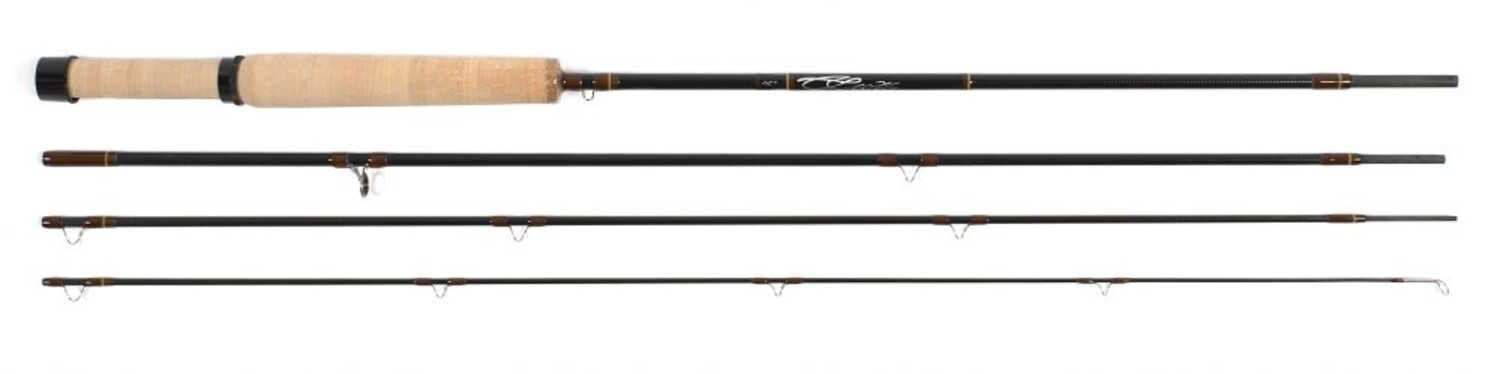
Both Scott Fly Rods and Sage make excellent options in both weights. The Scott Centric and Sage R8 Core are two setups our staff reaches for this time of year. Browse the full fly rods by brand collection to compare everything we carry.
Setting Up Your Streamer Rod: Line, Leader & Tippet
Fly Line
- Floating line with a sink tip — the most versatile setup. You can mend, adjust depth on the fly, and still fish shallow runs where a full sinking line would snag every cast. For most Southeast fall fishing, start here.
- Full sinking or intermediate line — gets the fly deep faster, better for cold water when trout drop to the bottom of pools and don't want to rise for anything.
If you're only building one streamer setup, go with a quality floating line and a 10-foot sink tip. You'll cover 90% of fall scenarios.
Leader & Tippet
Forget the tapered leaders. Streamers don't need a delicate presentation — they need to move. Run 4–6 feet of 10–15 lb fluorocarbon straight from the fly line to the fly. Simple, strong, and it turns over big flies without the hinge point a long leader creates.

Where to Fish: Georgia & North Carolina
Georgia
- Toccoa River below the dam is one of Georgia's best kept secrets in fall. Brown trout stack in the deeper runs in October and November. Don't sleep on it.
- Chattahoochee River below Buford Dam holds good numbers of browns year-round, but fall is when the bigger fish get aggressive. The flats below the dam are worth walking.
- Dukes Creek in the Chattahoochee National Forest rewards patience. It's smaller and more technical, but a big sculpin pattern in the right pocket can produce fish that will surprise you.
North Carolina
- South Holston (TN/NC border) is the one that gets talked about for a reason. Massive browns, consistent flows, and October fishing as good as anywhere in the East. Plan to throw a 7-weight here.
- Davidson River near Brevard is more technical but worth the trip in October. The deeper pools below the hatchery section hold serious fish.
- Nantahala River in the lower section runs cold and clear and produces well for anglers willing to slow down and work the water methodically.
Techniques That Work in the Fall
- Swing and strip: Cast across and slightly downstream, let the current sweep the fly through the pool, then strip back with short irregular pulls. Vary the speed until you find what the fish want that day.
- Dead drift, then strip: In cold water or slow pools, let the fly dead drift naturally first. Give it life with a strip at the end of the drift. Fish often eat right at that transition.
- Hunt the banks: Fall trout own the shallows. Cast tight to undercut banks, submerged timber, and boulder edges. Don't wade through the spots that hold fish.
- Fish low light: The difference between 7am and 9am in October can be the difference between multiple fish and zero. The first and last hours of light are not optional.
Ready to Upgrade Your Streamer Setup?
The fish are going to show up whether you're ready for them or not. The right rod makes a real difference when they do.
Check out our streamer fishing collection for complete rod, reel, and line setups — or browse fly rods by brand to find the right fit for your water. Our staff fishes these rivers. Holler at us and we'll point you in the right direction.
Recent articles
View all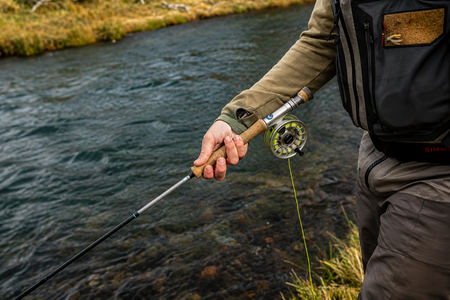
How to Set Up a Fly Reel: Backing, Line, and Leader
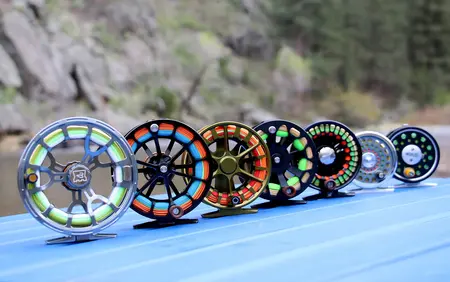
Fly Reel Size Chart: How to Match Your Reel to Your Rod