Fly Rod Buying Guide 2025: How to Choose Your Next Rod by Brand & Action
At some point, most fly anglers end up standing in front of a rod rack feeling completely paralyzed. You know you want an upgrade. You have a budget — maybe $400, maybe $800, maybe you're finally ready to just buy the good one. But every rod feels different, every person has an opinion, and nobody can quite explain why one costs $400 and the one next to it costs $900 for what looks like the same stick.
This is that explanation. We'll break down what rod action actually means in terms you can feel, lay out the philosophy behind every major brand we carry, and help you figure out which rod matches the way you actually fish — not the way someone else does.
What Is Rod Action? Fast, Medium & Slow Explained
Rod action describes where the rod bends when it loads during a cast. It's the most important thing to understand before you spend a dollar, and it's genuinely misunderstood by most people who haven't had it explained well.
Fast Action
A fast-action rod bends mostly in the top third of the blank. It recovers quickly, generates high line speed, and throws a tight, efficient loop at distance. In the right hands, it's a precision instrument.
The catch: fast rods are less forgiving. If your timing is slightly off, the rod doesn't smooth it out — it amplifies the mistake. Experienced casters love them. Newer casters sometimes fight them.
Best for: distance casting, saltwater fishing, windy conditions, anglers who cast well.
Medium Action (Moderate-Fast)
A medium-action rod bends through the top half of the blank. You can actually feel it load — that slight pause and flex that gives your casting stroke something to work with. This makes it more forgiving and more intuitive, especially for anglers still developing timing. It's also the most versatile: dry fly fishing, nymphing, shorter presentations — it handles all of it.
Best for: all-around trout fishing, anglers at any skill level, dry fly work, technical nymphing.
Slow Action (Full-Flex)
A slow-action rod bends all the way into the butt section. It loads deeply, flexes fully, and telegraphs every movement through your hand. Casting one feels completely different — softer, more connected, almost alive. They're not built for distance or big water, but on a small stream with a 3-weight and a dry fly, they're the reason some people never want to fish anything else.
Best for: small streams, dry fly presentations, experienced anglers who prioritize feel over performance metrics.
| Action | Where It Bends | Best For | Who It Suits |
|---|---|---|---|
| Fast | Top third | Distance, wind, saltwater | Experienced casters |
| Medium | Top half | All-around trout, nymphing | All skill levels |
| Slow | Full blank | Small streams, dry flies | Feel-focused anglers |
Brand Philosophies: What Each Maker Stands For
Scott Fly Rods
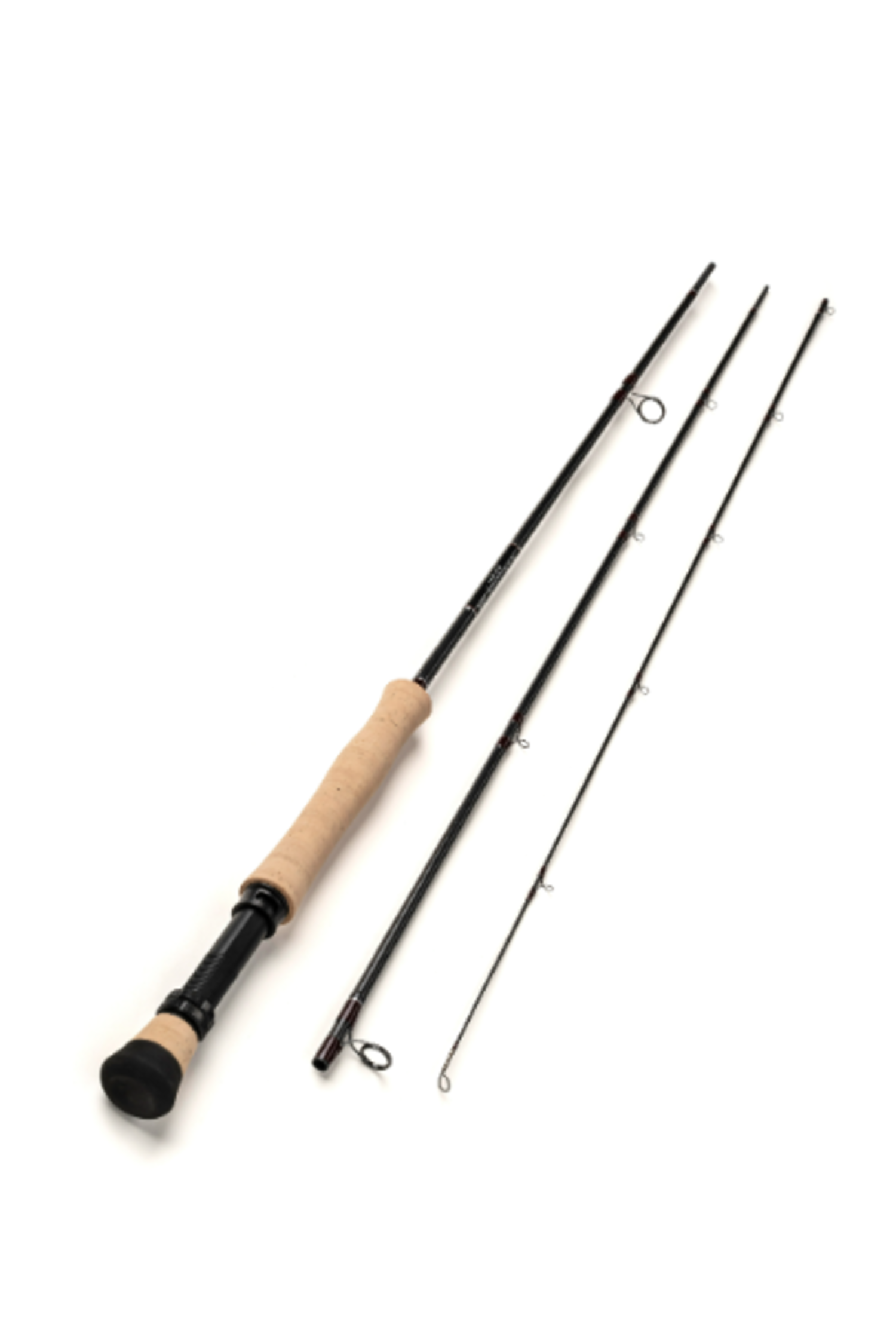
Scott builds every rod by hand in Montrose, Colorado since 1981. What that means in practice is a smooth, connected power that's hard to describe until you've experienced it. Fast enough to perform at a high level, but it loads progressively through the cast rather than snapping at the tip. That makes it forgiving without feeling soft. The Centric is their flagship all-around rod. The G Series is for anglers who want full-flex dry fly experience without sacrificing build quality.
Sage
Sage is the performance benchmark. Their R8 Core has been called the best all-around fly rod at any price — and it's hard to argue with that after casting one. It's fast, light, and accurate in a way that can feel almost mechanical until you're into a good fish and suddenly everything makes sense. Field & Stream named it "Best Overall" in their 2025 roundup. If you cast well and want the rod to keep up with you, Sage is the answer.
Winston
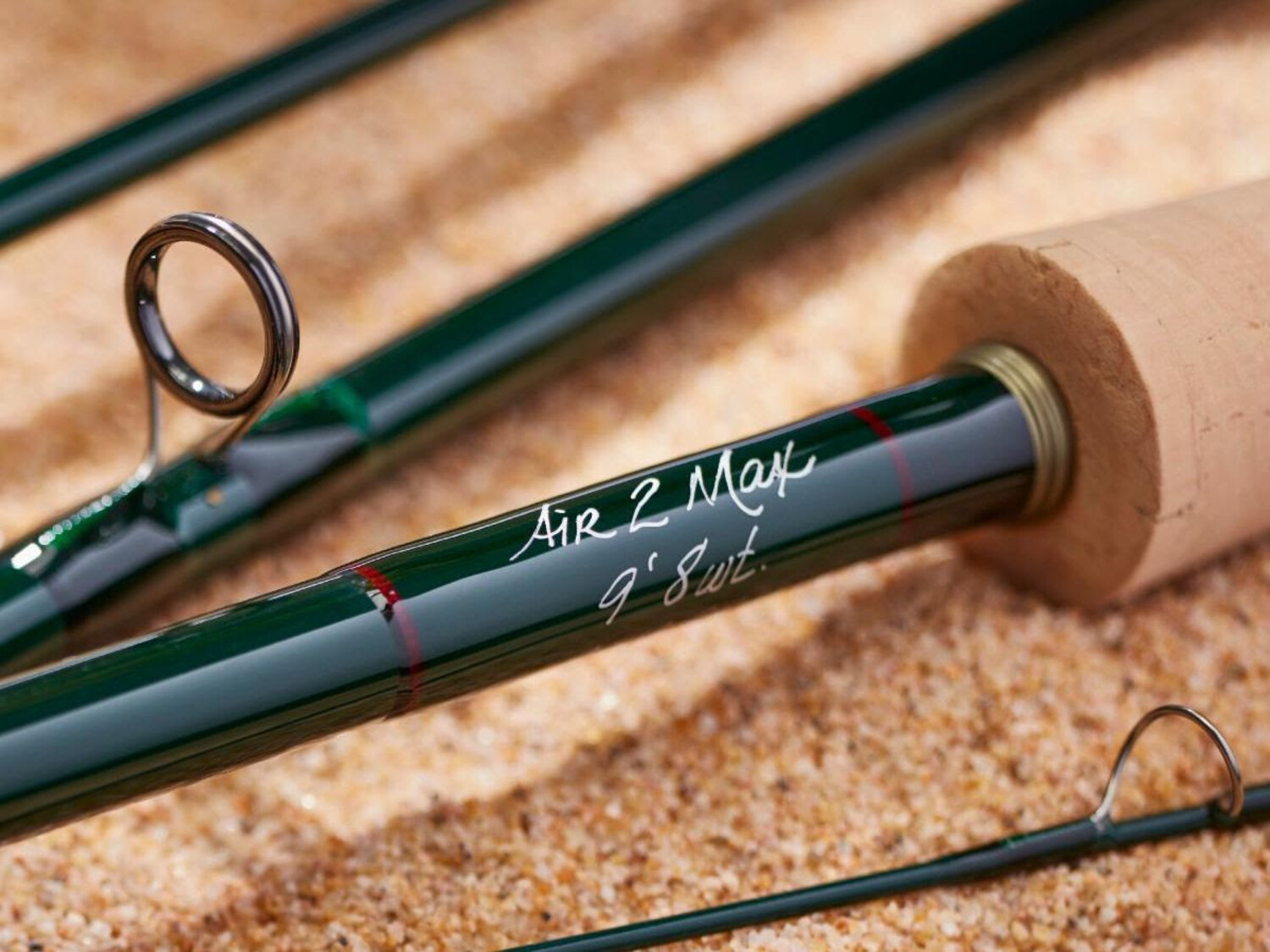
Winston is the choice for anglers who've tried everything else and decided they care more about how a rod feels than how fast it is. Built in Twin Bridges, Montana since 1929. The Air 2 loads more deeply than Sage or Scott at a comparable action rating — it just feels different in your hand, and a lot of anglers who pick one up don't put it back down. Winston rods are polarizing. Some people feel nothing special. Others buy one on the spot and never seriously shop for another rod again.
Douglas
Douglas is the best value story in premium fly rods right now. The Sky G was named "Best of the Test 2025" by Field & Stream and it genuinely outperforms its price point. If you're working with a mid-range budget and want a rod that holds its own against anything, start here.
TFO (Temple Fork Outfitters)
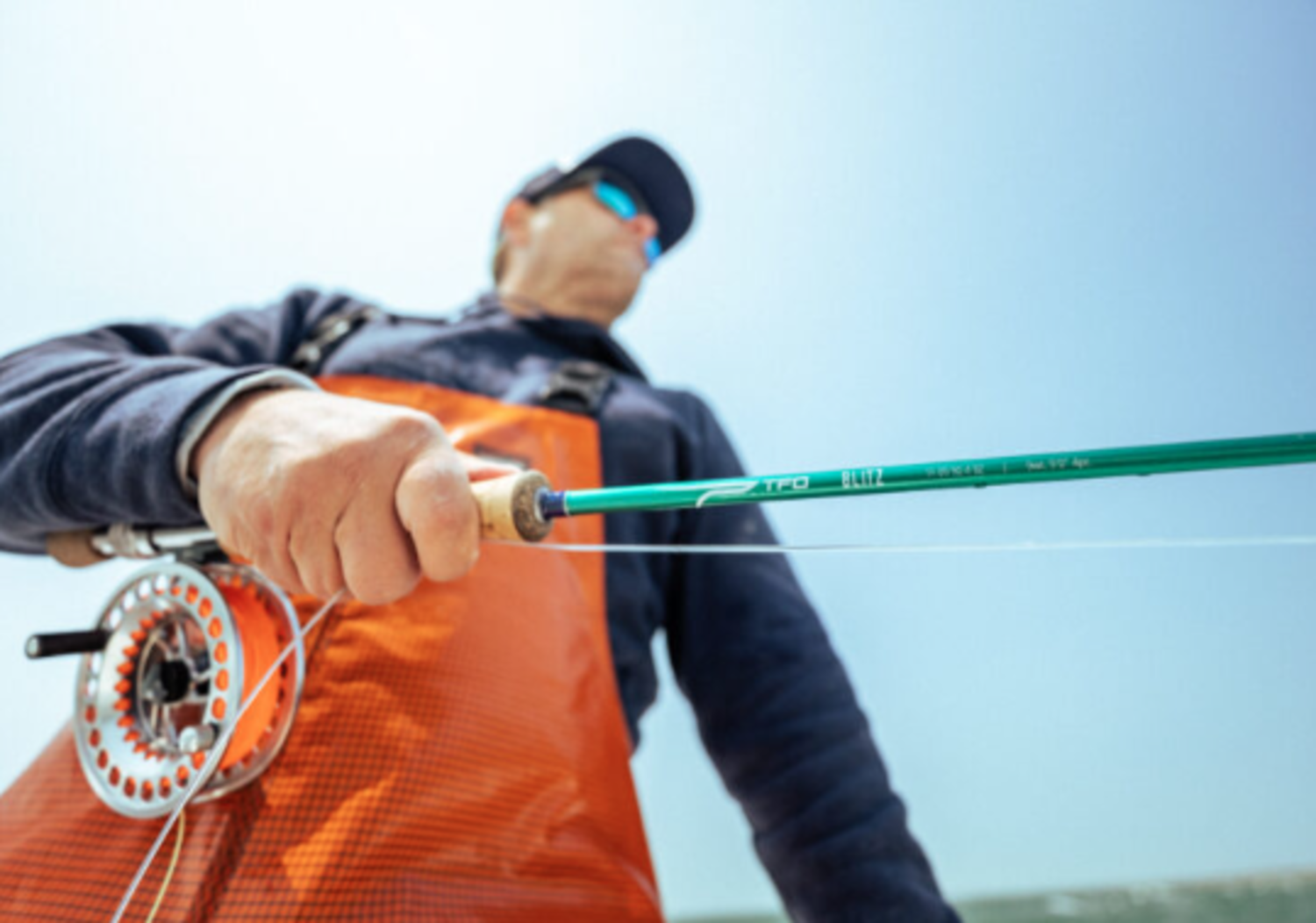
TFO makes excellent rods at prices that make everyone else uncomfortable. Their Blane Chocklett Big Fly Rod is one of the most popular streamer setups we sell, and the warranty — transferable to a second owner — is the best in the business. Serious performance without the premium price tag.
Thomas & Thomas, Hardy, G. Loomis, and Redington round out our selection for more specialized needs. All of it lives in our fly rods by brand collection.
Price Tiers: What to Expect at Every Budget
- Under $450 — Redington, TFO: These are not beginner rods. They're performance tools with real warranties. Don't discount them because of the price.
- $450–$750 — Douglas, Hardy Aydon, Scott Session: This is where materials start making a noticeable difference in hand. Better graphite, better components, better action consistency.
- $750–$1,000 — Scott Centric, Sage R8 Core, Winston Pure 2, G. Loomis NRX+: Top-tier graphite modulus, exceptional weight reduction. The gap between this tier and the one below is real and you'll feel it.
- $1,000+ — Winston Air 2, Sage R8 Salt, Thomas & Thomas: Buy-once rods. Best materials available, lifetime warranties, craftsmanship that holds its value.
Matching Rod to Fishing Style
- Mostly trout on small to medium rivers? Medium-fast, 9ft, 4–5 weight. Douglas Sky G, Scott Session, or Winston Pure 2.
- Throwing streamers or big flies? Fast action, 9ft, 6–7 weight. Scott Centric, Sage R8 Core, or TFO Big Fly. See our streamer fishing collection for complete setups.
- Dry fly and small streams? Medium or slow action, 7.5–8.5ft, 3–4 weight. Scott G Series or Winston Air 2.
- Saltwater? Fast action, 9ft, 8–10 weight. Sage R8 Salt or Scott Sector.
- First quality rod? Medium-fast, 9ft, 5 weight. TFO or Redington. Don't overspend before you know what you want.
Warranty Comparison
| Brand | Coverage | Transferable? | Notable |
|---|---|---|---|
| Scott | Lifetime (original owner) | No | Excellent repair service |
| Sage | Lifetime + Evercast program | No | No-fault repair option available |
| Winston | Lifetime (original owner) | No | Requires proof of purchase |
| TFO | Lifetime | Yes | Best transferable warranty in class |
| Redington | Lifetime (original owner) | No | |
| Douglas | Lifetime with registration | No |
The Bottom Line
The best fly rod isn't the most expensive one in the case. It's the one that matches how you cast and what you fish. Start with action. Then figure out which brand philosophy fits you. Then look at budget.
Our team has cast every rod we carry. Browse the full fly rods by brand collection — or just call us. This is exactly the kind of conversation we're here for.
Recent articles
View all
How to Set Up a Fly Reel: Backing, Line, and Leader
Fly Reel Size Chart: How to Match Your Reel to Your Rod