How to Choose a Fly Fishing Chest Pack: Size and Fit
Key takeaways
- For most anglers a small to medium chest pack is the right size: it holds one or two fly boxes, a couple of tippet spools, and basic tools without tempting you to overpack.
- Fit matters more than features: a good pack rides flat and high on your chest and does not bounce or swing when you cast.
- The features worth checking are a net attachment, tool docks, a fold-down work surface, and the right level of water resistance.
- Most quality chest packs include a net magnet or clip, but not all do, so confirm it before you buy if you net your own fish.
- Buy for the water you fish most, not the rare trip; a stuffed oversized pack is worse than a right-sized one.
A chest pack should make your day easier, not feel like a tackle box strapped to your ribs.
The trick is choosing the right size and features for how you really fish. This guide shows you how to choose a fly fishing chest pack you will still love at the end of the season.
How big should a fly fishing chest pack be?
For most anglers, a small to medium chest pack is perfect. It should hold one or two fly boxes, a couple of tippet spools, and your basic tools. That is enough for a normal day without throwing off your balance.
Bigger is not better here. A big pack tempts you to overload it, which gets in the way of your cast. Pick the smallest pack that fits your normal kit.
Get the fit right
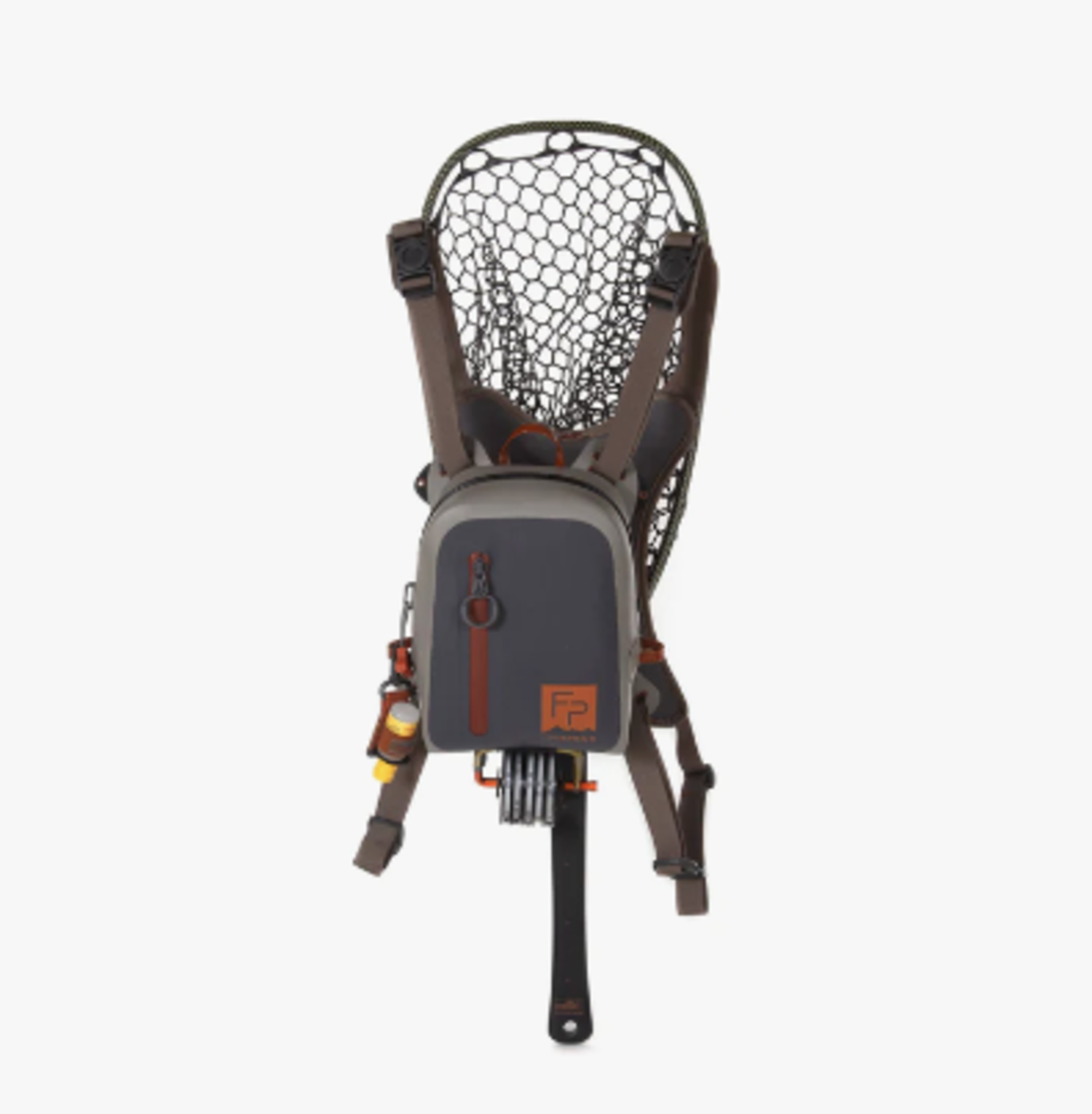
Fit is the part people skip, and it matters most. A good pack rides flat and high on your chest. It should not bounce or swing when you walk or cast.
- Look for a padded, adjustable harness.
- Make sure the straps are easy to tighten with one hand.
- Check that the pack sits high enough to keep your hands free.
If a pack feels off in the shop, it will feel worse after a few hours on the water. Try it on first when you can.
The features that actually matter
Brands list a dozen features. These are the ones you will really notice.
- Net attachment: a magnet or clip lets you grab and stow a net with one hand.
- Tool docks: built-in spots for nippers and forceps keep them where your hands expect them.
- A work surface: a fold-down flap helps when you tie on a fly midstream.
- Drainage and water resistance: mesh drains a splashed pack; sealed fabric keeps gear dry in rain. See the waterproof packs.
Does a chest pack hold a net?
Most good chest packs include a net attachment on the back or shoulder strap, usually a magnet or a clip. The net rides behind the pack and pulls free when you need it. Not every small pack includes one, though, so check before you buy if you net your own fish.
If you carry a larger net or fish all day, you may want more room than a chest pack gives. Compare options in the fishing packs collection and the vests.
What do you carry in a chest pack?
Carry the essentials you reach for every time out: a main fly box, a backup box, two or three tippet spools, nippers, forceps, and floatant. Add split shot and an indicator if you like. The point is to keep that core kit in front of you and leave the rest behind.

A simple buying checklist
Run through these five steps before you buy.
- List what you carry on a normal day.
- Pick the smallest pack that fits that list with a little room.
- Confirm a comfortable, adjustable harness.
- Check for a net dock and tool spots.
- Match the water resistance to how deep and wet you fish.
New to chest packs altogether? Start with our roundup of the best fly fishing chest packs to see how the top brands compare, then come back here to dial in the size.
Common chest pack mistakes to avoid
A few simple mistakes trip up new buyers. Watch out for these.
- Buying too big. A roomy pack feels smart in the shop, then gets overloaded and heavy.
- Skipping the harness check. A poor fit ruins an otherwise great pack.
- Forgetting about water. If you wade deep, a non-waterproof pack will let you down.
- Ignoring the net. If you carry a net, you need a place to put it.
Avoid these and you will be happy with your pack for a long time.
Matching your pack to your home water
Where you fish most should guide your choice more than any feature list.
- Small streams: a small, light pack is perfect.
- Bigger rivers: a medium pack with a bit more room.
- Boats and salt: choose a waterproof model and keep it light.
Buy for the days you fish most, not the rare trip. The pack you reach for every weekend matters more than the one-off bucket-list trip, and a right-sized pack you actually enjoy wearing beats a feature-packed one that sits in the closet.
Build your setup
Choosing a chest pack comes down to simple math: what you carry, how you move, and how wet you get. Get the size right and the rest falls into place.
If you can, try a pack on before you buy. Load it with a fly box or two and see how it sits. Reach for the pockets the way you would while fishing, and notice whether it rides flat or pulls away from your chest. A pack that feels right in the shop almost always feels right on the water. If you cannot visit in person, read the size and weight specs closely and check the harness details before you order.
When you are ready, browse the chest packs collection or explore all packs and bags. If you expect wet days, our guide on waterproof vs water-resistant packs is worth a read. Our staff fishes these packs daily and is glad to help.
Recent articles
View all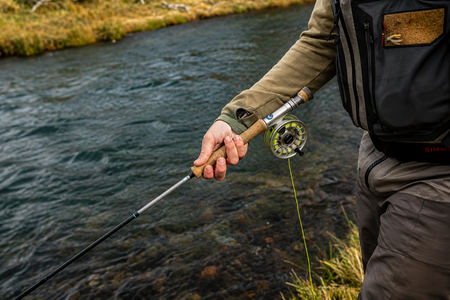
How to Set Up a Fly Reel: Backing, Line, and Leader
Fly Reel Size Chart: How to Match Your Reel to Your Rod