What Do You Need to Start Fly Fishing? A Beginner's Checklist
Key takeaways
- The core kit is five pieces: rod, reel, line, leader and tippet, and flies. Everything else is optional at the start.
- A rod and reel matched to each other casts easier than mismatched pieces bought separately by feel or price alone.
- A starter kit with the rod, reel, and line already spooled together is usually the simplest and least error-prone way to begin.
- A 9-foot 5-weight rod is the most common first choice; it covers trout, bass, and panfish in one setup.
- Waders, a net, and a vest make a day easier but will not stop you from catching your first fish without them.
Fly fishing looks like it needs a garage full of gear before you even wet a line. It really does not.
So what do you need to start fly fishing? Five things: a rod, a reel, a line, a leader with tippet, and a few flies.
Everything else, like waders, a net, or a vest, makes the day easier but will not stop you from catching your first fish. This checklist walks through what matters first and what can wait.
What do you actually need to start fly fishing?
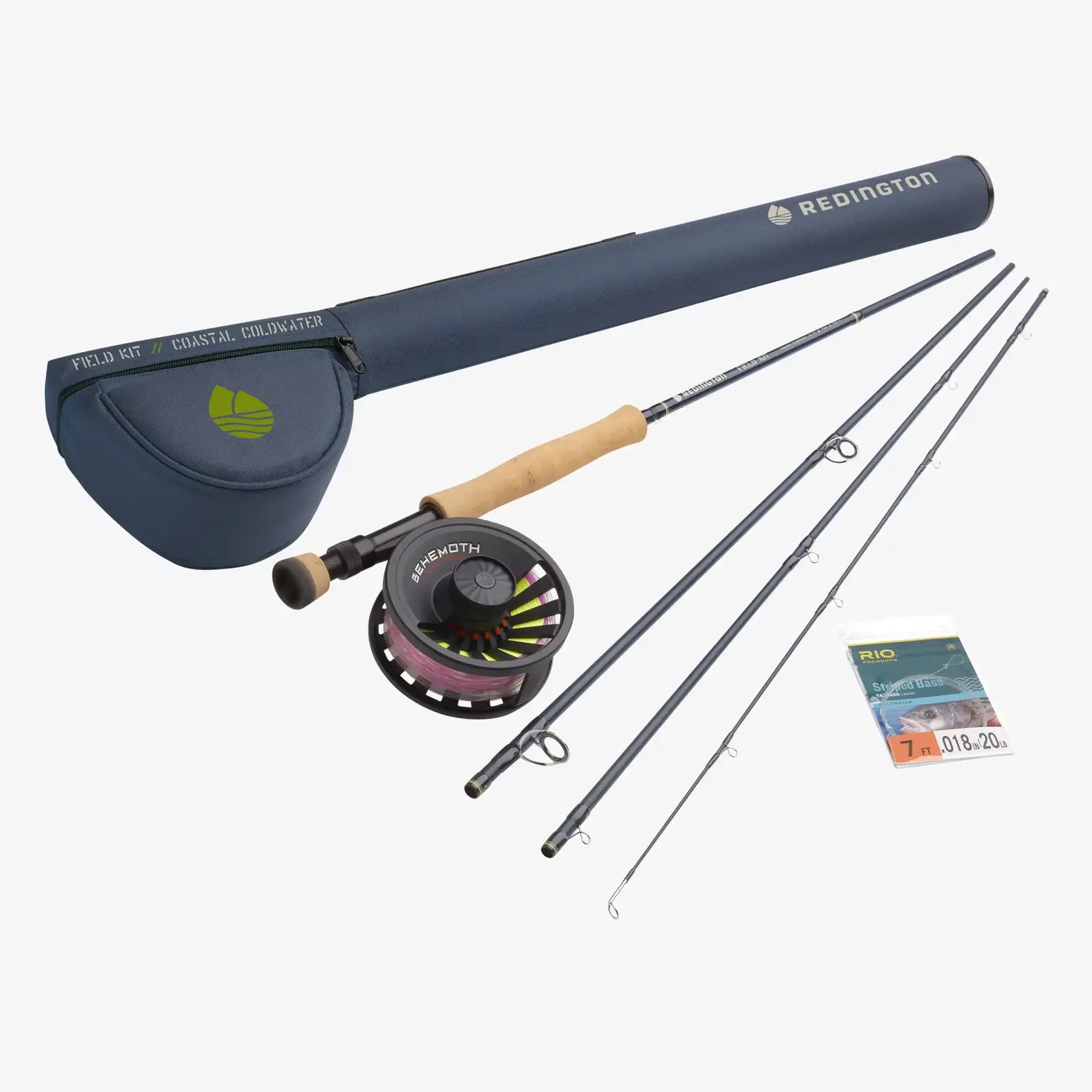
You need five things: a fly rod, a fly reel sized to match it, fly line, a leader and tippet to connect line to fly, and a handful of flies for the water you fish. A 9-foot 5-weight setup covers trout, bass, and panfish, which makes it the easiest first choice.
Beyond those five, nothing else is required to fish your first day. A fly rod paired with a fly reel and matching fly line is the whole system. Everything else on a gear shop's shelf is there to make specific days easier, not to make fishing possible.
Starter kit or buy the pieces separately?
Both work, but they suit different buyers. Here is how they compare.
| Starter kit | Buy pieces separately | |
|---|---|---|
| Best for | First-time buyers who want one simple decision | Anglers who already know what they want |
| Setup time | Rod, reel, and line often come pre-matched and spooled | You match weights and spool the line yourself |
| Risk of mismatch | Low; the kit is built to work together | Higher if you buy rod and reel from different lines |
| Room to upgrade | Great starting point, easy to add pieces later | Full control over every component from day one |
For a true first setup, a starter kit removes the guesswork. You can always add a second rod or a nicer reel once you know how you like to fish.
How much should a first fly fishing setup cost?
Budget varies a lot by brand and quality, so there is no single right number. A sensible approach is to start with an entry-level or mid-range kit, learn how you actually fish, and spend more on your second setup once you know what matters to you.
Spending less on a first rod is not a compromise. Most beginners outgrow their casting stroke long before they outgrow an honest entry-level rod.
What flies do you need to start?
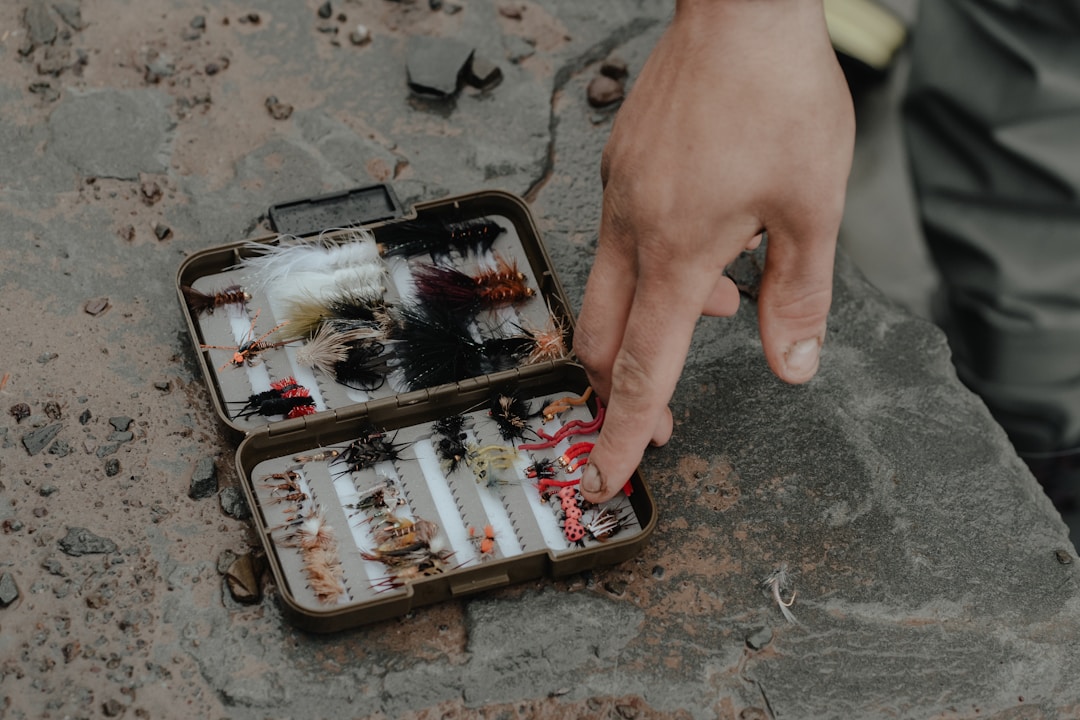
Keep your first fly box simple. A few reliable patterns in a couple of sizes will cover far more water than a large, unfocused collection.
- A general dry fly pattern for fish feeding on the surface.
- A basic nymph pattern for fish feeding below the surface.
- A small streamer for searching water when nothing is visibly feeding.
Ask your local shop which patterns work on the water you plan to fish first. Local advice beats a generic list every time.
What can wait until later?
A few items help but are not essential on day one.
- Waders, if you plan to fish from the bank or in warm weather at first.
- A landing net, though you can hand-land smaller fish.
- A vest or pack, since your pockets hold a box and tippet just fine at first.
Buy these once you know how often you will use them. There is no rush.
Do you need a fishing license to fly fish?
In almost every state, yes. Fly fishing counts as fishing, so the same license rules apply whether you cast a fly rod or a spinning rod. Requirements and where to buy a license vary by state, so check your state wildlife agency's website before your first trip.
Some states also require a separate trout stamp or endorsement for certain waters. A quick search or a call to your local shop will tell you exactly what you need for the water you plan to fish.
How long does it take to learn to fly fish?
Most beginners can cast well enough to catch fish within a few outings. The cast itself is simple to learn and takes longer to refine than to pick up. Reading water, spotting fish, and choosing flies take longer, but those skills build naturally the more you fish.
Do not wait until you feel ready to go. Most anglers learn fastest by fishing often in the first month, even if the casts are rough at first.
Should your first rod be new or used?
Either can work. A new rod from a reputable brand comes with a warranty and no unknown history, which matters if you are not yet sure how to spot damage. A used rod can save money if someone you trust can check it over first.
Look closely at the tip section for cracks or repairs if you buy used, since that is the section most likely to have been broken and fixed. When in doubt, a modest new rod beats a used rod with an uncertain past.
Ready to rig it up?
The single biggest mistake new anglers make is not the gear they choose, it is buying a rod and reel from two different lines that were never designed to balance. A mismatched setup casts heavier and tires your arm faster, even if every individual piece is good on its own. Buying a matched kit or asking a shop to pair your pieces solves this before it starts.
Once you have your rod, reel, and line, the next step is putting it all together. Our guide on fly rod setup walks through spooling backing, attaching line, and tying on a leader.
Find your first setup
Getting started with fly fishing comes down to five pieces working together, not a long shopping list. Start simple, fish it for a season, and upgrade what actually matters to you.
Browse our starter kits for a matched first setup, or explore the full fly rods collection if you already have a reel in mind. Planning a saltwater trip down the road? See our guide on rod weight for bonefish, redfish, and tarpon. Our team is happy to help you put together your first setup in Atlanta.
Recent articles
View all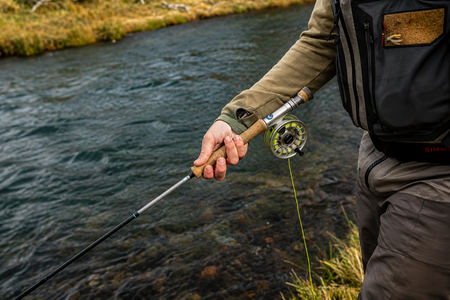
How to Set Up a Fly Reel: Backing, Line, and Leader
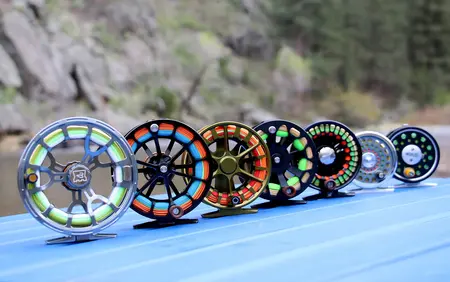
Fly Reel Size Chart: How to Match Your Reel to Your Rod