What Weight Fly Rod for Bonefish, Redfish, and Tarpon?
Key takeaways
- Bonefish fish well on an 8-weight rod in most conditions; it casts small flies accurately and has backbone for wind and long runs.
- Redfish also fish well on an 8-weight, though a 9-weight helps when throwing heavier crab patterns into wind.
- Tarpon need a 10 to 12-weight rod for adult fish; smaller baby tarpon can be caught on an 8 or 9-weight.
- Rod weight should match the fly size and wind you expect, not just the size of the fish on paper.
- One 8-weight rod covers bonefish and most redfish days, making it the practical first saltwater rod for anglers chasing both.
Saltwater fly rods are sized by weight, and picking the wrong one makes casting into wind or fighting a strong fish much harder than it needs to be.
So what weight fly rod do you need for bonefish, redfish, and tarpon? It depends on the species, but one rod can often cover two of the three.
What weight fly rod is best for bonefish?
An 8-weight rod is the standard for bonefish. It casts small crab and shrimp flies accurately, holds up in typical flats wind, and has enough backbone to handle a bonefish's fast first run. A 7-weight works on calm days; a 9-weight helps in heavy wind.
What weight fly rod works for redfish?
An 8-weight rod also covers most redfish fishing, especially on calmer flats with smaller flies. Step up to a 9-weight if you regularly throw bulkier crab or baitfish patterns, or fish windy marsh edges where a stiffer rod helps punch through the air.
What weight fly rod do you need for tarpon?
Adult tarpon need a 10 to 12-weight rod. These fish are large, strong, and require enough rod to turn their head and end the fight in a reasonable time. Smaller baby tarpon, often found inshore, can be caught on an 8 or 9-weight rod instead.
Rod weight by species at a glance
Here is how the three species line up side by side.
| Species | Typical rod weight | Why | Note |
|---|---|---|---|
| Bonefish | 8-weight | Accurate with small flies; handles wind and long runs | 7-weight for calm days, 9 for heavy wind |
| Redfish | 8 to 9-weight | Covers small and bulkier crab patterns | 9-weight helps in windy marsh conditions |
| Tarpon (adult) | 10 to 12-weight | Enough power to turn and land a large, strong fish | Baby tarpon can use an 8 or 9-weight |
Can one rod cover all three species?
Yes, mostly. An 8-weight handles bonefish and most redfish days without much compromise, which is why many guides suggest it as a first saltwater rod rather than jumping straight to a heavier setup. The gap only really shows up with adult tarpon, which genuinely need the extra lifting power of a 10 to 12-weight rod. If your trips mix bonefish and redfish, one 8-weight from our saltwater recommended lineup covers both; add a heavier rod only once tarpon are actually on the plan.
A common overbuying mistake is picking a heavier rod than the day calls for, out of caution. A rod too heavy for the fish in front of you casts small flies poorly and takes the fun out of fighting a fish that never needed that much rod in the first place.
Which fly line matches your rod weight?
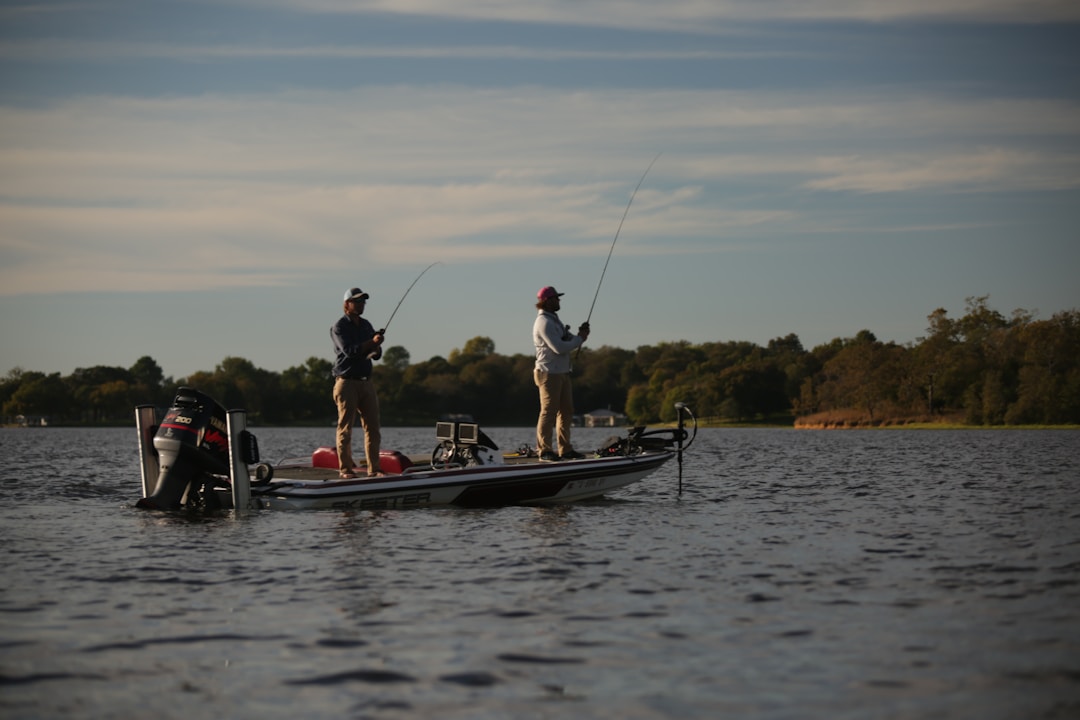
Match your fly line weight number to your rod weight number, the same rule that applies anywhere in fly fishing. An 8-weight rod takes an 8-weight line, a 10-weight rod takes a 10-weight line, and so on. For saltwater, look for a line built for warm water and wind, since standard trout lines can go soft and sticky in the heat. Browse our fly lines to find a saltwater taper that matches your rod.
Does leader and tippet weight change with rod weight?
Yes. Heavier rods generally pair with heavier leaders and tippet, since bigger fish need stronger material to land safely. Bonefish anglers commonly fish lighter tippet for a more natural presentation, while tarpon anglers step up to much heavier class tippet to handle a fish that can weigh well over a hundred pounds. Redfish sit in between, with leader strength often adjusted for the cover and structure you are fishing around.
Your rod, line, and leader work as one system. A heavier rod alone will not help you land a bigger fish if the leader beneath it is too light for the fight.
What about permit?
Permit fishing typically calls for a 9-weight rod, similar to redfish, since permit flies tend to be heavier and permit often feed in the same windy flats conditions. If bonefish, redfish, and permit are all on your radar, a 9-weight is a reasonable middle ground, though it casts small bonefish flies a touch less delicately than a dedicated 8-weight. See our permit gear if that species is part of your trip.
Do freshwater and saltwater rods differ beyond weight?
Yes, beyond just the weight rating. Saltwater rods typically use corrosion-resistant guides and reel seats built to handle salt exposure without seizing up. Many also use slightly stiffer blanks to punch through wind and turn over the heavier flies and longer leaders common in saltwater fishing.
Our saltwater recommended rods are selected specifically for these conditions, so you are not stuck adapting a trout rod to salt water and hoping the hardware holds up.
Pick your rod weight
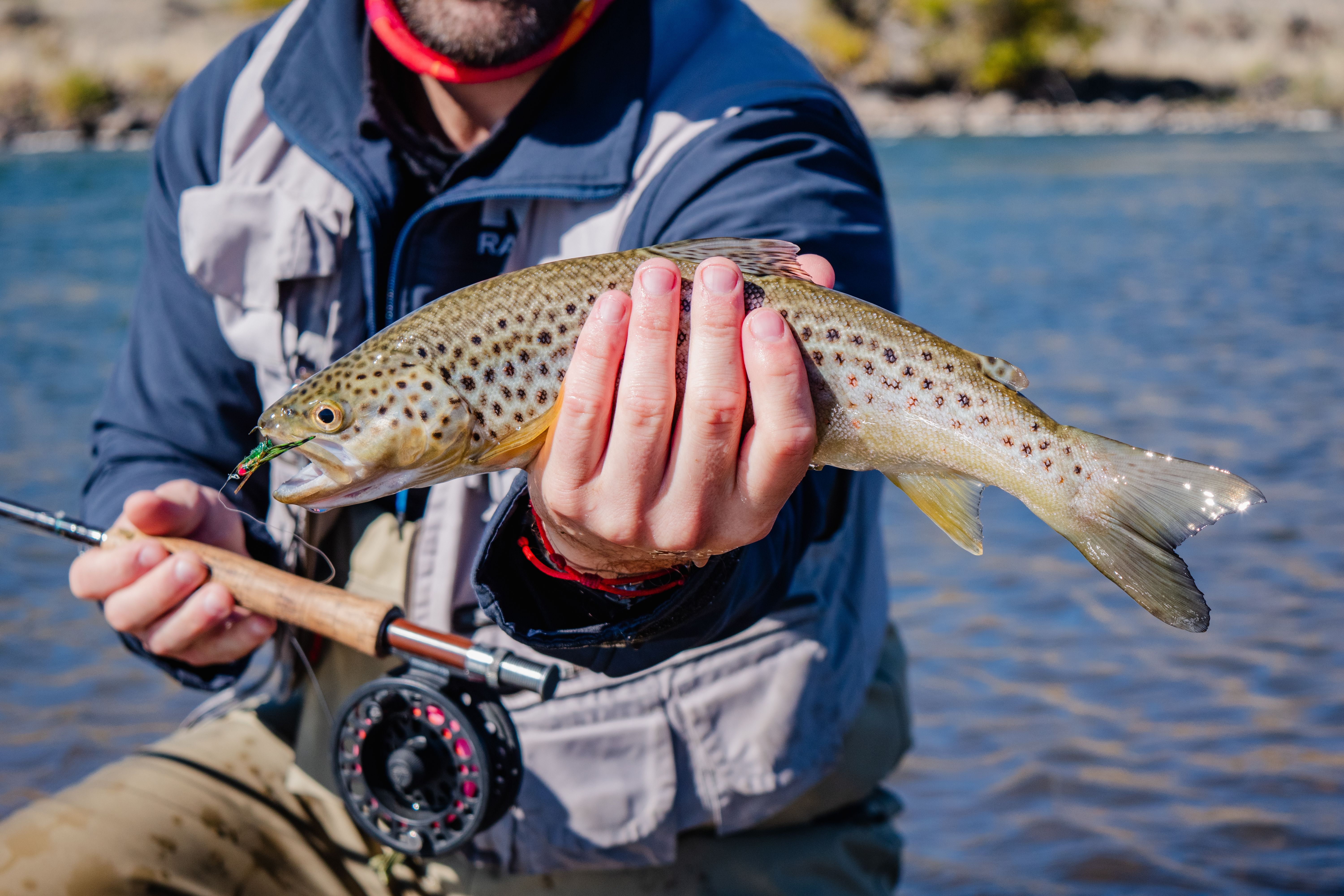
Match your rod to the fish you are most likely to cast to, not the biggest fish you might someday hook. An 8-weight is the practical starting point for bonefish and redfish; step up to a 10 to 12-weight once tarpon are the target.
Browse our saltwater recommended rods to find the right weight, or see the full fly rods collection for every option. New to saltwater gear entirely? Start with our beginner's checklist, or learn how to rig your setup once your rod arrives. Our team fishes the flats and is glad to help you pick the right weight in Atlanta.
Recent articles
View all
How to Set Up a Fly Reel: Backing, Line, and Leader
Fly Reel Size Chart: How to Match Your Reel to Your Rod