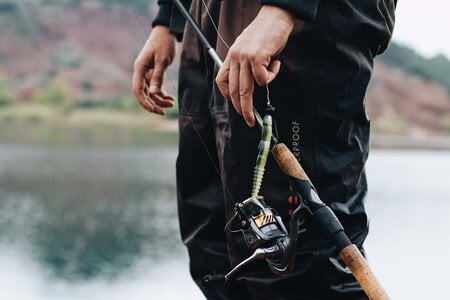
Waterproof vs Water-Resistant Fly Fishing Packs
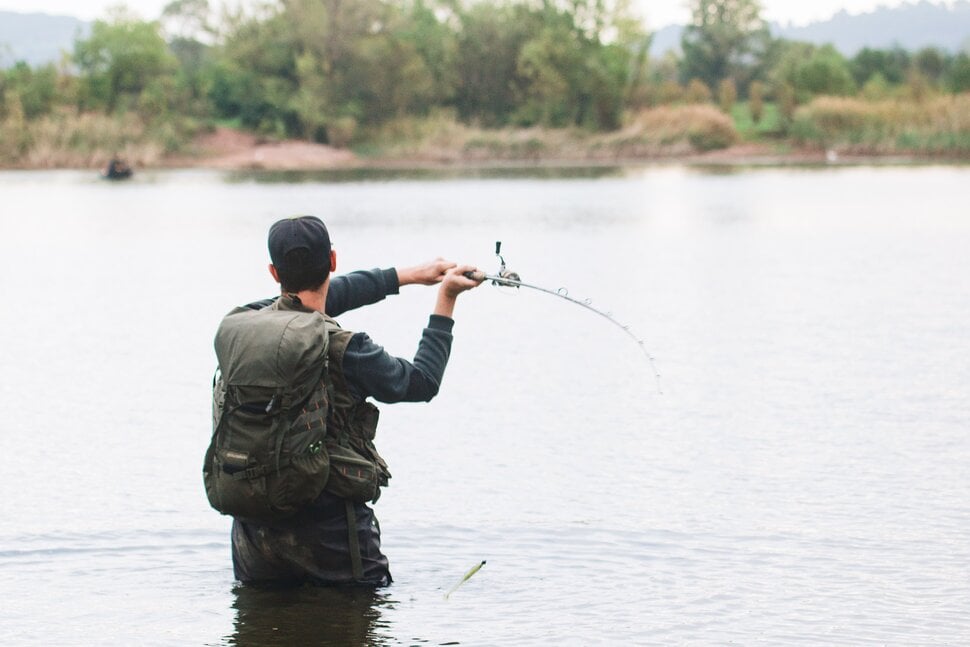
Key takeaways
- Water-resistant packs keep out splashes, spray, and light rain, but water gets in if the pack is held underwater.
- Waterproof and especially submersible packs keep gear dry even underwater, using sealed seams and roll-top or sealed-zipper closures.
- Most wading anglers are fine with water-resistant; choose submersible only for deep wading, boats, and saltwater.
- Spot true waterproofing by three signs: sealed rubbery zippers, welded (not stitched) seams, and roll-top closures.
- Whatever pack you carry, a small roll-top dry pouch inside it is cheap insurance for your phone, keys, and camera.
The word waterproof gets stamped on a lot of packs that are really just water-resistant.
The gap between the two can mean damp flies or a ruined phone. This guide explains the difference in plain words and helps you match a waterproof fly fishing chest pack to how wet your fishing really gets.
What is the difference between waterproof and water-resistant?
Water-resistant means a pack keeps out splashes, spray, and light rain, but water still gets in if the pack is held underwater. Waterproof, and especially submersible, means the pack keeps your gear dry even underwater, using sealed seams and special closures. Most wading anglers are fine with water-resistant; submersible is for deep water and boats.

How to spot true waterproofing
Three details separate a real waterproof pack from a water-resistant one with a hopeful label.
- Sealed zippers. A true waterproof zipper looks rubbery and seals shut. A normal coil zipper does not.
- Welded seams. Waterproof packs bond their seams instead of stitching them, because needle holes leak.
- Roll-top closures. Rolling and clipping the top is the best way to keep water out of the main pocket.
Which level do you actually need?
Match the pack to your most common days, not your rarest. Here is a quick guide by where you fish.
| Where you fish | Protection level | Why | Example use |
|---|---|---|---|
| Bank and light wading | Water-resistant | Handles rain and splashes; stays light | A few hours on a local stream |
| Deep wading | Waterproof or submersible | Water can reach chest height | Wading big rivers to your waist |
| Boat and saltwater | Submersible | Spray, rain, and the risk of a dropped pack | Flats skiff or surf days |
Are chest packs waterproof?
Most chest packs are water-resistant, not fully waterproof. They handle rain and splashes, but standard zippers and stitched seams let water in if the pack goes under. For true protection, look for a submersible chest pack with sealed zippers and welded seams, or carry sensitive items in a small dry pouch. Always check the spec sheet, since the label alone can mislead.

For boat and saltwater days
If you fish from a boat or chase saltwater species, go with submersible storage. Spray, rain, and the odd dropped bag make full waterproofing worth it. Browse the waterproof packs and boat bags built for those days. For travel between trips, the luggage and travel bags keep everything organized and dry.
Here is a tip the spec sheets do not mention: salt is harder on zippers than water itself. After a saltwater day, a sealed zipper that never gets rinsed will stiffen and stop sealing within a season. A 30-second freshwater rinse does more for a waterproof pack's lifespan than any feature on the tag.
Do I need a waterproof pack for fly fishing?
Not always. If you fish the bank or wade in shallow water, a water-resistant pack handles rain and splashes fine. Step up to waterproof or submersible if you wade deep, fish from a boat, or fish saltwater, where the pack may go under. Match the protection to your usual days, and use a dry pouch for valuables either way.
Not sure which pack style fits first? Our guide on how to choose a fly fishing chest pack walks through size and fit before you weigh waterproofing.
Protecting phones, cameras, and leaders
Even in a water-resistant pack, give your phone, camera, and tippet a dry home. A small roll-top dry pouch inside the main pocket is cheap insurance. Phones and cameras fail fast when wet, and a soaked leader spool can tangle and end a session early.
A dry pouch is light, folds flat when empty, and costs little. Many anglers keep one in every pack just in case, so the gear they cannot replace is always protected no matter what the weather does.
Caring for a waterproof pack

A waterproof pack lasts longer with a little care.
- Rinse it with fresh water after saltwater trips.
- Keep the sealed zippers clean, since grit can stop them sealing.
- Let the pack dry fully before you store it.
Treat the seals well and your pack will keep your gear dry for many seasons.
Do you need a fully waterproof pack?
Most anglers do not need full waterproofing for every day out. Be honest about how you fish. If you mostly fish from the bank, water-resistant is plenty. If you wade to your waist, a sealed or roll-top pack adds peace of mind. If you fish from a boat or in the salt, go submersible. Buying more protection than you need just adds cost and weight, while buying too little risks your gear.
Stay dry out there
The right level of protection comes down to how deep and how often you get wet. Most anglers do well with a water-resistant pack plus a dry pouch for valuables. Boat and saltwater anglers should reach for submersible.
Explore the waterproof packs collection or browse all packs and bags to find storage that matches your water. Comparing brands too? See our roundup of the best fly fishing chest packs. Ask our team which level fits the way you fish.
Recent articles
View all
How to Set Up a Fly Reel: Backing, Line, and Leader
Fly Reel Size Chart: How to Match Your Reel to Your Rod